Are you drawn to the energy of downtown, or does a quieter neighborhood with more room sound more like home? If you are moving within Raleigh or relocating to the area, this choice can shape your daily routine, commute, housing options, and even how you spend your weekends. The good news is that Raleigh offers a wide range of lifestyles, from walkable mixed-use districts to more traditional neighborhood settings. Let’s dive in.
What Urban vs Suburban Means in Raleigh
In Raleigh, urban and suburban living are shaped less by a strict city line and more by planning, zoning, and street design. Residential districts are generally designed for neighborhoods with up to 10 dwelling units per acre and buildings no taller than three stories or 40 feet, while mixed-use districts allow greater intensity and flexibility.
That difference shows up in how an area feels. Urban frontage usually places buildings closer to the street with smaller setbacks and stronger pedestrian connections. Suburban frontage tends to include more landscaping, larger setbacks, and parking placed more prominently near the front.
For you as a buyer, that means Raleigh’s urban areas often feel denser, more walkable, and more connected to dining, entertainment, and transit. Suburban areas usually feel more spread out, more car-oriented, and more focused on private space.
Downtown Raleigh Living
Downtown Raleigh is not just one type of neighborhood. It includes six destination districts: Capital District, Fayetteville Street, Glenwood South, Moore Square, Warehouse District, and Seaboard + Person Street. Each one offers a different mix of housing, activity, and pace.
The city describes downtown as the place where business, government, and culture come together. It also has Raleigh’s strongest concentration of mobility tools, including the R-Line, GoRaleigh connections, Union Station links, bike share, and parking decks. The R-Line connects residents, workers, and visitors to retail, restaurants, entertainment, and parking in the central business district about every 15 minutes.
Downtown lifestyle and rhythm
If you want daily convenience within easier walking distance, downtown is usually Raleigh’s strongest option. You are more likely to live near restaurants, shops, events, offices, and public spaces without relying on your car for every short trip.
That said, downtown living is not one-size-fits-all. Glenwood South is known as Raleigh’s densest residential area and is closely tied to nightlife and newer apartment development. The Capital District has a quieter identity, centered on history, civic spaces, greenspace, and architecture.
The Warehouse District blends residential living with repurposed brick buildings, restaurants, shopping, creative spaces, and tech offices. Moore Square combines housing with a direct connection to the GoRaleigh Transit Center and year-round events. Seaboard + Person Street tends to feel a bit more neighborhood-oriented, with locally owned businesses and nearby residential development.
What homes feel like downtown
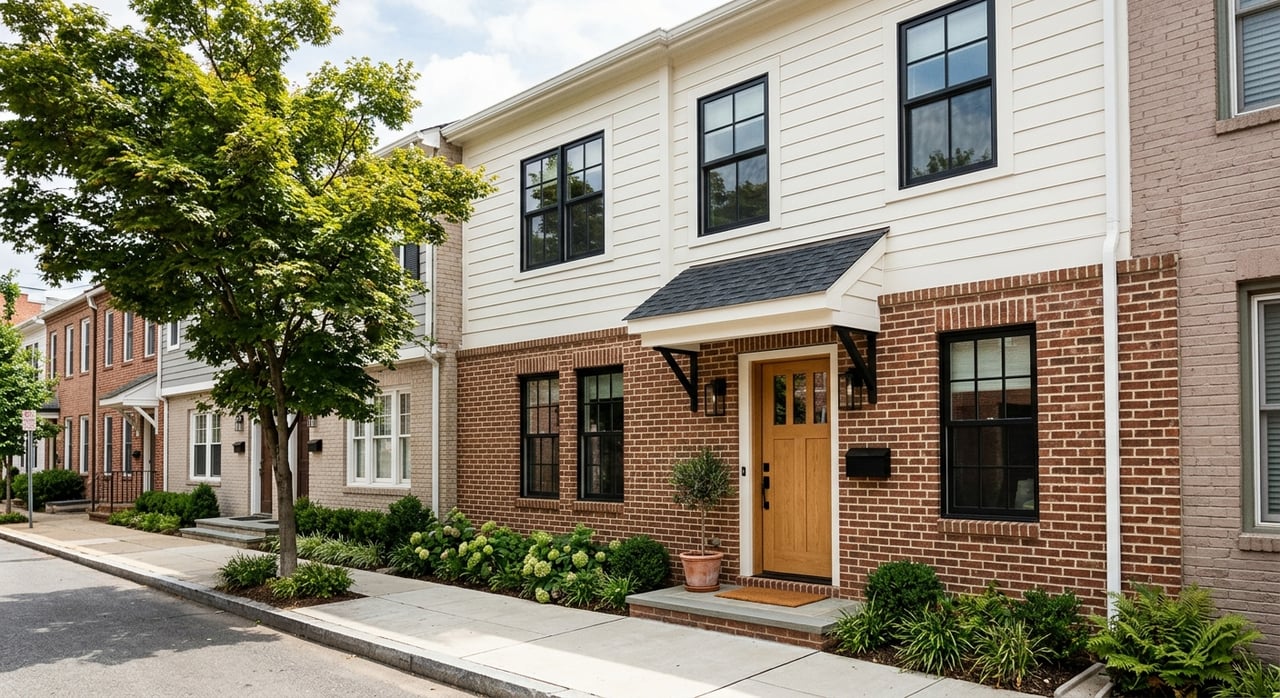
In practical terms, downtown housing tends to lean toward apartments, condos, townhomes, and loft-style or mixed-use living. The tradeoff is usually less private outdoor space and more shared amenities or public gathering spaces.
If parks matter to you, downtown still offers strong options, just in a different form. Moore Square is a four-acre downtown park with recurring events, and Dix Park offers 308 acres of open space, play areas, and event space. Raleigh’s greenway system also includes 117 miles of trails, which gives downtown residents access to outdoor recreation even without a large yard.
Midtown as the Middle Ground
If you like some urban convenience but do not want the intensity of downtown, Midtown may be your sweet spot. Raleigh’s Midtown-St. Albans Area Plan is focused on creating a more walkable Midtown with better infrastructure, green streets, added bridges, and a protected ring of walking and biking connections.
The city’s goal is clear: a Midtown where you do not need a car for every errand. That makes Midtown more than a compromise. It is increasingly being shaped as a destination in its own right.
Why North Hills stands out
North Hills is one of the clearest examples of this in-between lifestyle. Across 130 acres, the area includes 2 million square feet of Class A office space, 1.2 million square feet of retail, 3,000 apartment homes, and 500 hotel rooms.
For you, that can translate into a daily routine that feels more connected and amenity-rich than a traditional suburb. At the same time, Midtown still tends to feel more parking-friendly and highway-accessible than downtown, especially with direct access from I-440 and convenient regional connections.
This can be a strong fit if you want to mix errands, dining, work, and recreation into a more compact lifestyle without committing fully to the downtown core. It also appeals to many relocators who want a softer landing while they learn the area.
Suburban Raleigh Living
If your top priorities include more space, quieter streets, and easier access to larger neighborhood parks, suburban Raleigh may feel like a better match. North Raleigh and outer parts of the city lean toward lower-intensity residential patterns and more traditional neighborhood design.
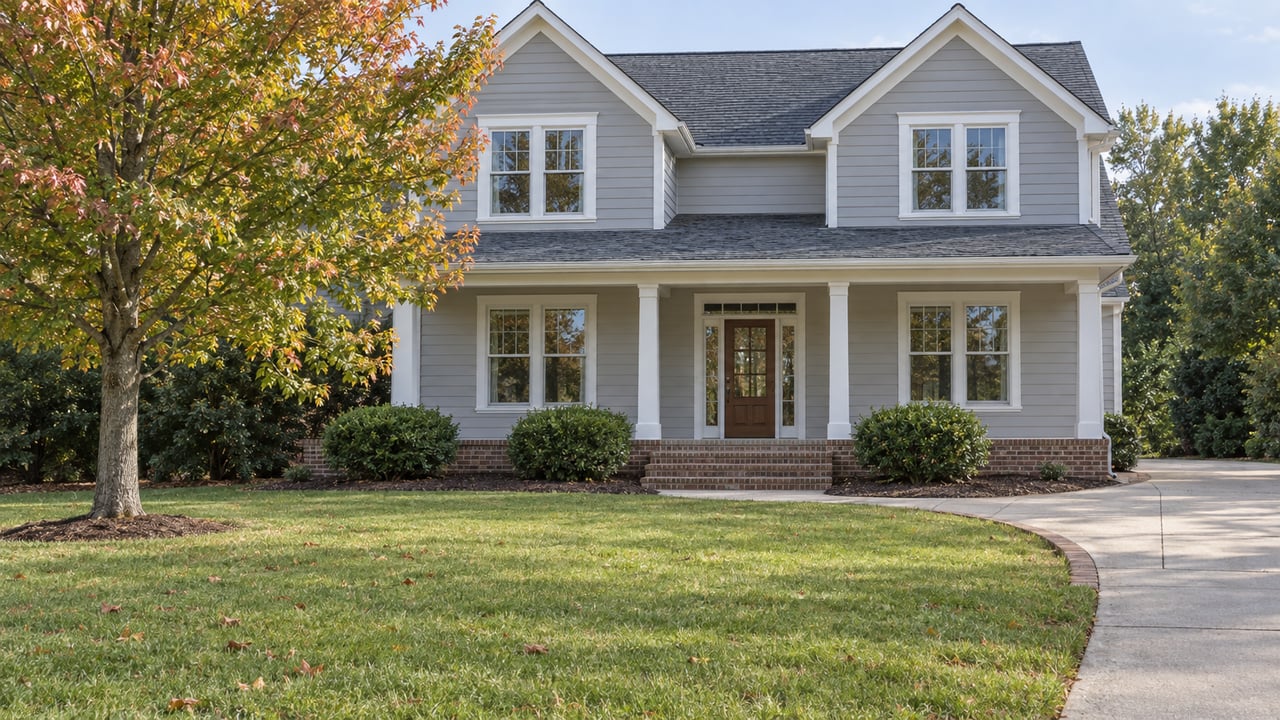
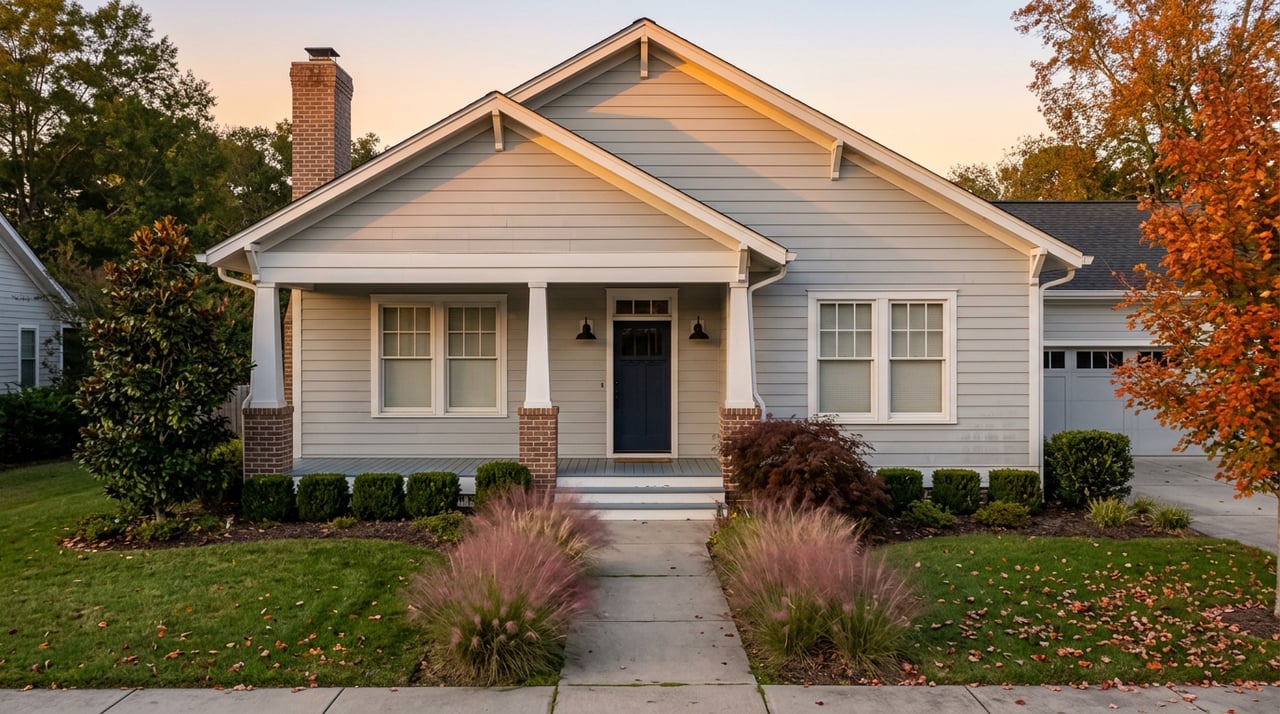
These areas reflect the suburban frontage pattern Raleigh uses in its planning guidance. You are more likely to see detached homes, driveways, larger setbacks, and more separation between homes than you would in mixed-use or downtown districts.
What daily life feels like
Suburban life in Raleigh is usually more car-dependent. Transit does exist, including park-and-ride options such as Shelly Lake / Sertoma Park on Millbrook Road and commuter express connections, but day-to-day errands often still revolve around driving.
For many buyers, that tradeoff is worth it. You may gain more interior space, more storage, more yard space, and a quieter overall setting while still staying connected to the rest of the city.
This can be especially appealing if you are making a life-stage move. Downsizers may want a calmer routine with easier parking and access to parks, while move-up buyers may be looking for room to spread out without losing access to Raleigh amenities.
Parks and recreation in suburban Raleigh
North Raleigh offers strong neighborhood-scale recreation and access to larger parks. Shelley Lake Park covers 144.8 acres and includes 2 miles of paved scenic greenway trails, playgrounds, courts, public art, and Sertoma Arts Center.
North Hills Park adds another local recreation option with 32 acres, pickleball courts, fields, and playgrounds. William B. Umstead State Park sits 10 miles northwest of downtown Raleigh and includes 34.5 miles of hiking trails, 13 miles of biking trails, 13 miles of horseback riding trails, lakes, picnic shelters, and camping.
If you picture weekends spent outdoors more than nights out downtown, this side of Raleigh may feel more natural for your lifestyle.
How To Compare Your Fit
The best choice often comes down to how you want your average Tuesday to feel, not just your ideal Saturday. Think about how often you want to walk to daily destinations, how much private space you want, and whether convenience or quiet matters more in your current season of life.
Here is a simple way to frame the decision:
- Downtown Raleigh often fits buyers who prioritize walkability, nightlife, arts, events, and stronger transit access.
- Midtown often fits buyers who want convenience, mixed-use amenities, and a more balanced daily rhythm.
- North Raleigh and outer suburban areas often fit buyers who want more space, quieter streets, and easier access to larger parks.
None of these choices is better across the board. The right answer is the one that supports your routine, budget, housing preferences, and goals.
Questions To Ask Yourself First
Before you narrow your search, ask yourself a few honest questions:
- Do you want to walk to restaurants, events, or errands regularly?
- How important is a private yard versus shared green space?
- Are you comfortable driving most days, or do you want more built-in convenience?
- Would you rather be near nightlife and activity, or in a quieter residential setting?
- Do you want a condo, townhome, apartment-style setting, or a detached home feel?
- Are larger parks and trails part of your weekly routine?
Your answers can quickly point you toward the part of Raleigh that feels most like home.
Why This Choice Matters
Choosing between urban and suburban living is really about choosing your pace of life. In Raleigh, that spectrum is especially clear because downtown, Midtown, and North Raleigh each offer a distinct mix of land use, mobility, housing style, and recreation.
If you are relocating, rightsizing, or simply trying to make a smarter next move, understanding those patterns can save you time and reduce second-guessing. It helps you focus not just on the home itself, but on how the area will support your day-to-day life.
If you want help sorting through Raleigh neighborhoods and finding the right fit for your next chapter, Jody Whitehurst is here to guide you with clear local insight and a low-pressure approach.
FAQs
How walkable is downtown Raleigh compared to suburban Raleigh?
- Downtown Raleigh generally has the city’s strongest pedestrian and transit orientation, while suburban Raleigh is more car-dependent in everyday life.
What kind of homes should you expect in downtown Raleigh?
- Downtown Raleigh tends to skew toward apartments, condos, townhomes, and loft-style or mixed-use living rather than lower-density detached-home patterns.
Is Midtown Raleigh a true destination or just a middle option?
- Midtown is increasingly a destination in its own right, with major mixed-use development and city planning focused on walkability, biking, and connected infrastructure.
What parks are available if you choose suburban Raleigh?
- Suburban Raleigh offers access to larger park spaces such as Shelley Lake Park, North Hills Park, and William B. Umstead State Park.
What makes one downtown Raleigh district feel different from another?
- Downtown Raleigh includes districts with different personalities, from nightlife-focused Glenwood South to the quieter, civic-focused Capital District and the neighborhood feel of Seaboard + Person Street.