Sell Your House As-Is or Fix It First? How to Make the Right Choice for Your Next Chapter
If you listed your house tomorrow exactly as it is right now—no repairs, no updates, no renovations—would you be comfortable if it sold for $25,000 less than your neighbor’s?
Because that’s the real question behind one of the most common things homeowners ask:
Should I sell my house as-is, or fix it up before selling?
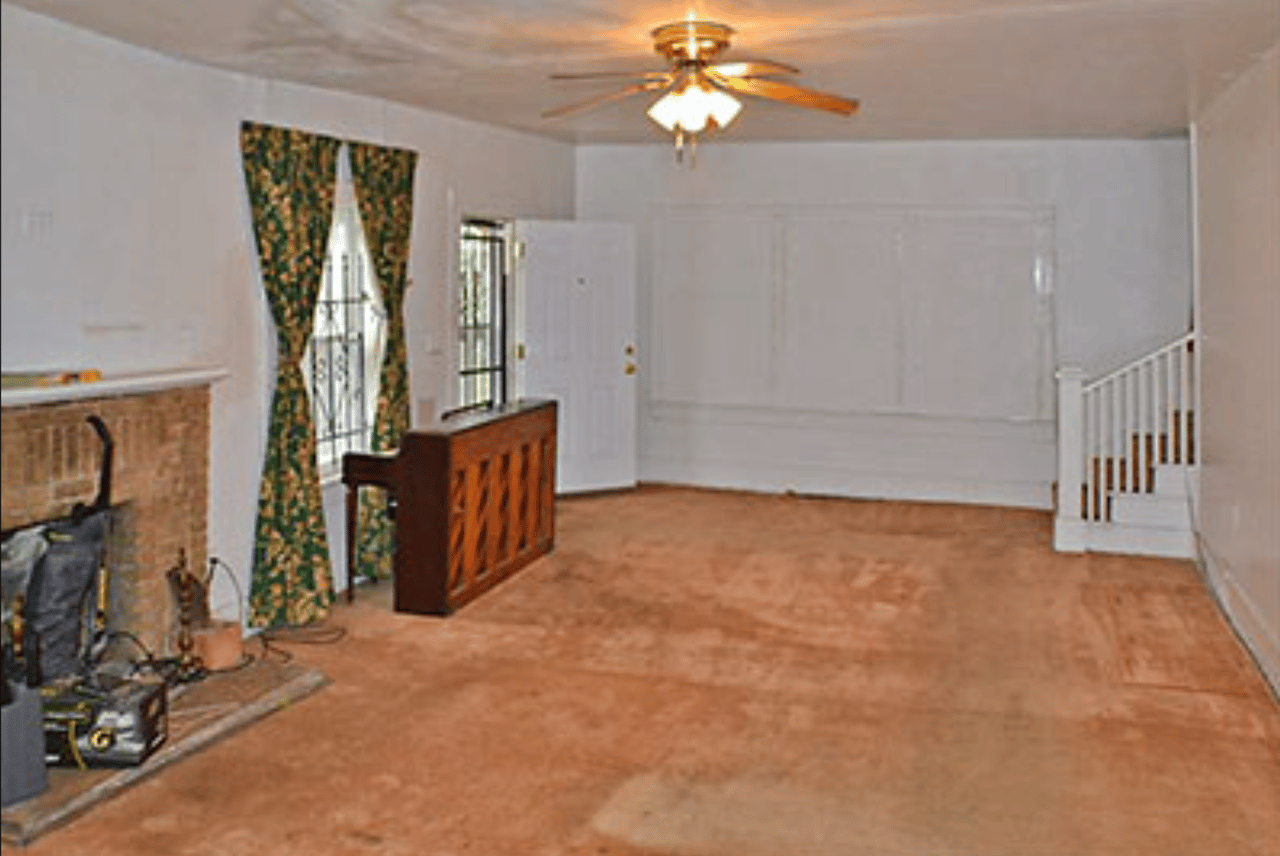
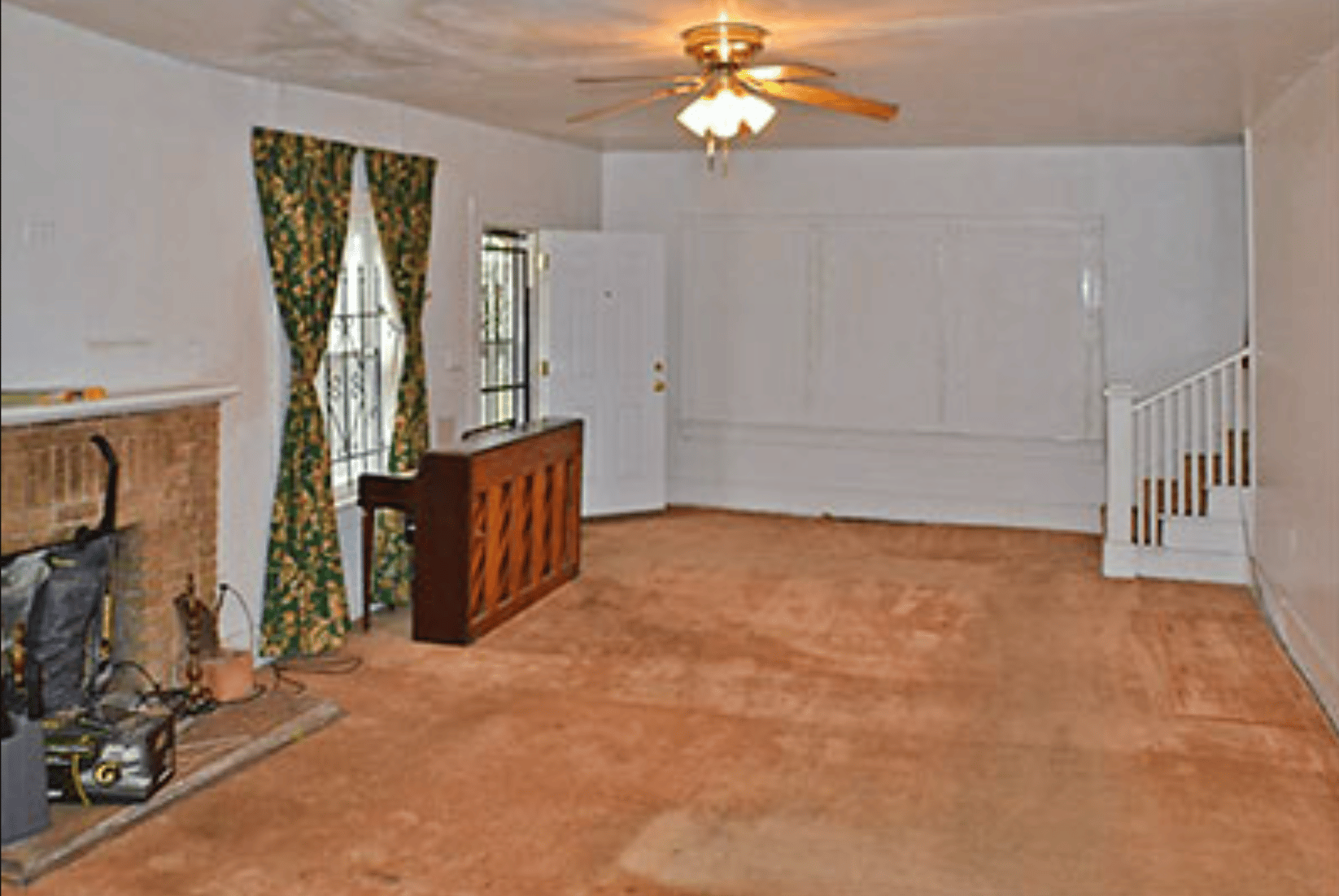
Maybe your cabinets are dated. Maybe your flooring isn’t current anymore. Maybe your light fixtures have been there since the 80s—and still work just fine.
And everywhere you turn, you hear the same advice:
“You have to update before you sell.”
But that advice isn’t always right.
Sometimes updating your home before selling is worth it. And sometimes it creates stress, costs money unnecessarily, and doesn’t deliver the return sellers were hoping for.
The key is knowing the difference.
What Does It Mean to Sell a House As-Is?
Selling a house “as-is” doesn’t mean hiding problems or ignoring known issues.
In North Carolina, sellers are still required to disclose material facts about the home. Selling as-is simply means:
- You are not making major repairs or renovations before listing
- You are selling the home in its current condition
- The price reflects the home’s current condition
In other words, you’re letting the market—and buyers—decide what the home is worth today.
For many homeowners, especially those who have lived in their home for 15, 20, or even 30 years, this decision can feel overwhelming.
Why Many Long-Time Homeowners Choose to Sell As-Is
If you’ve lived in your home for decades, you’ve likely maintained it well—but it may not reflect today’s design trends.
This is especially common for:
- Downsizers
- Empty nesters
- Retirees
- Homeowners preparing for a major life transition
You may be thinking:
- “I don’t want to invest more money into a home I’m leaving.”
- “I don’t want to deal with contractors and renovations.”
- “I’m ready to move on without the stress.”

Selling a home is not just a financial decision—it’s an emotional one, too.
The Biggest Myth: Updates Always Increase Your Profit
One of the biggest misconceptions in real estate is that renovations automatically increase your home’s value.
Sometimes they do. But not always.
Not all home improvements deliver the same return on investment. In fact, some sellers spend tens of thousands of dollars updating kitchens or bathrooms—only to discover their home is still competing with newer properties nearby.
What buyers often care most about is:
- Location
- Layout
- Price
- Overall condition
- How well the home has been maintained
When It Makes Sense to Sell Your House As-Is
Selling your home as-is may be the smartest choice when:
- Major systems are older but still functional
- The home is clean and well maintained, but dated
- You don’t want to manage repairs or renovations
- You want to sell faster with less stress
- You are downsizing or relocating
- You value simplicity and convenience
Many buyers are willing to purchase homes that need cosmetic updates—especially if the price reflects that opportunity.
When You Should Consider Making Updates Before Selling
There are situations where small improvements can make a meaningful difference in your home’s appeal and sale price.
Strategic updates that often help include:
- Fresh, neutral paint
- Updated lighting fixtures
- Minor cosmetic repairs
- Decluttering and deep cleaning
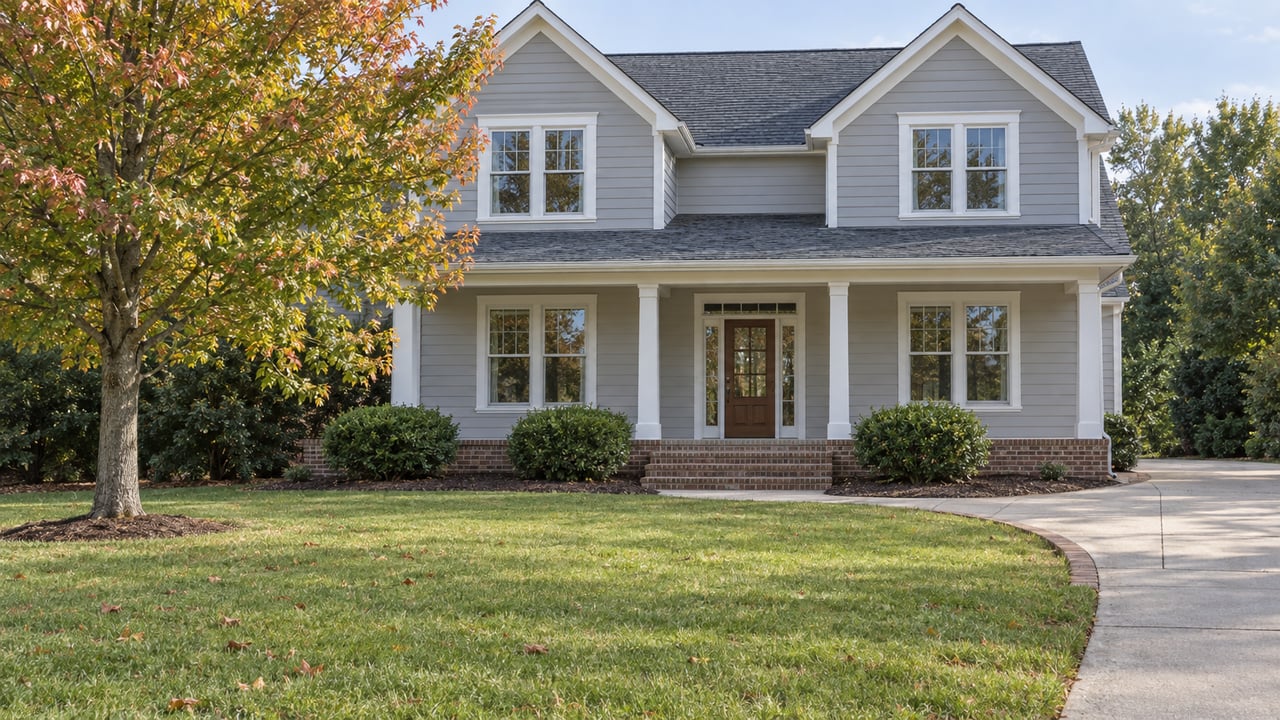
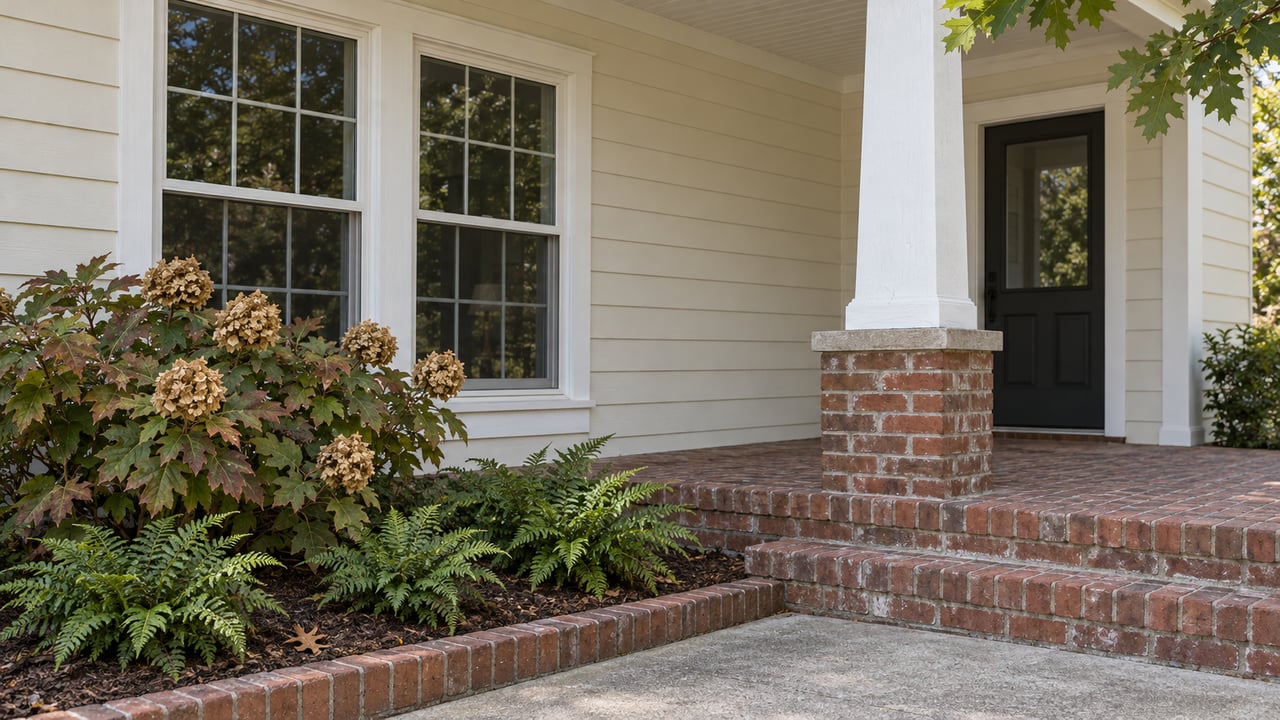
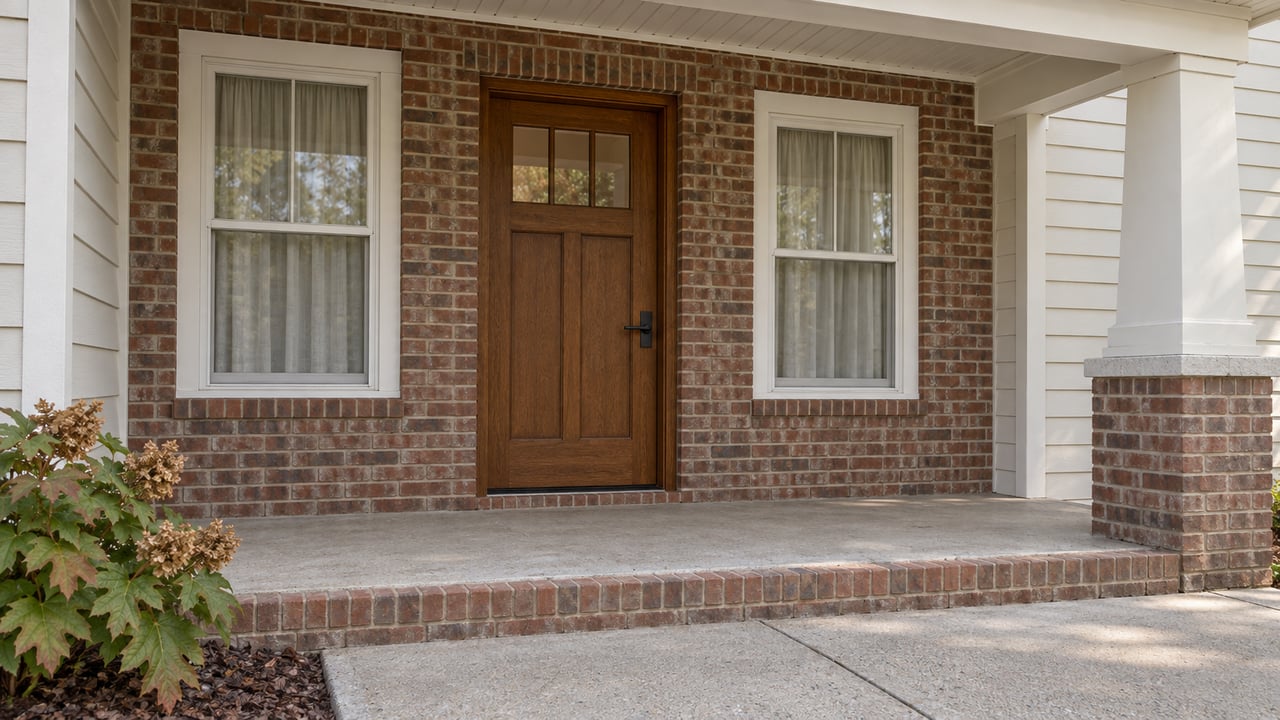
- Improving curb appeal
- Professional staging
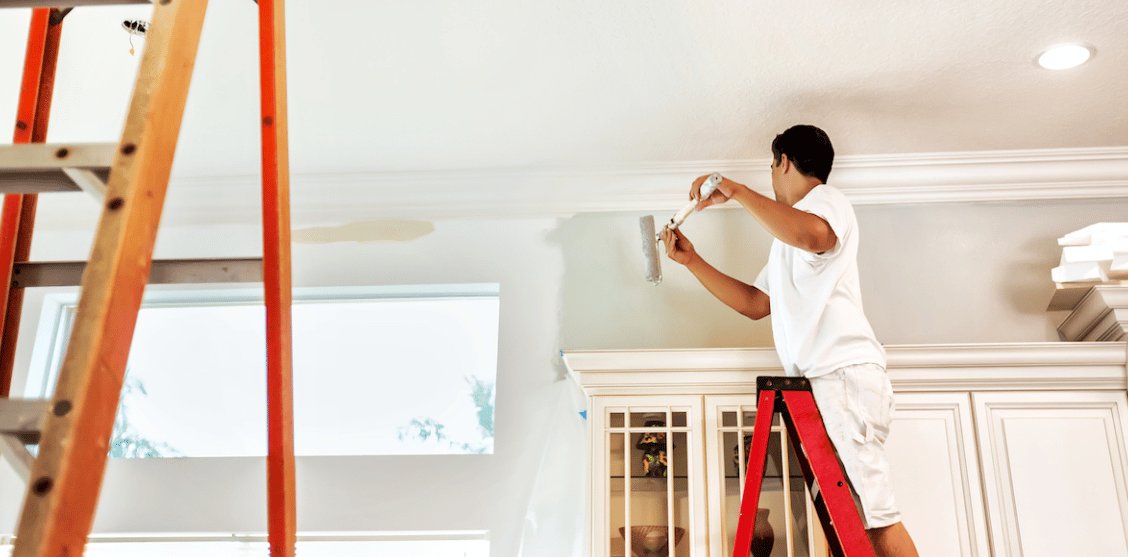
These updates are not full renovations. They are presentation improvements designed to help buyers emotionally connect with your home.
What Buyers Expect in Today’s Housing Market
Today’s buyers are more selective. Move-in ready homes often sell faster and with fewer negotiations.
Homes that need work can absolutely sell—but pricing becomes critical.
When selling a home as-is, buyers often expect:
- A lower price compared to fully updated homes
- Transparency about the home’s condition
- Opportunity to make their own updates
How to Protect Your Home’s Value Without Major Renovations
You don’t need a full remodel to make your home attractive to buyers.
Simple, low-cost improvements can have a major impact, including:
- Deep cleaning the entire home
- Removing excess furniture and clutter
- Updating light fixtures
- Adding fresh paint in neutral colors
- Improving landscaping and curb appeal
These changes help your home feel well cared for and welcoming—without the cost and stress of major renovations.
How to Decide: Sell As-Is or Fix It First
The right decision depends on your timeline, budget, goals, and tolerance for stress.
A helpful question to ask yourself is:
“Where is my time, money, and energy best spent right now?”
For many sellers, especially downsizers, simplicity and peace of mind are just as important as maximizing every last dollar.
Selling Your Home in Apex or the Greater Raleigh Area?
If you’re wondering whether to sell your house as-is or make repairs before listing, the best place to start is with a personalized plan.
Every home—and every seller—is different.
If you’d like guidance, I’d be happy to help you evaluate your options so you can make the best decision for your situation.
Your next chapter should feel exciting—not stressful.