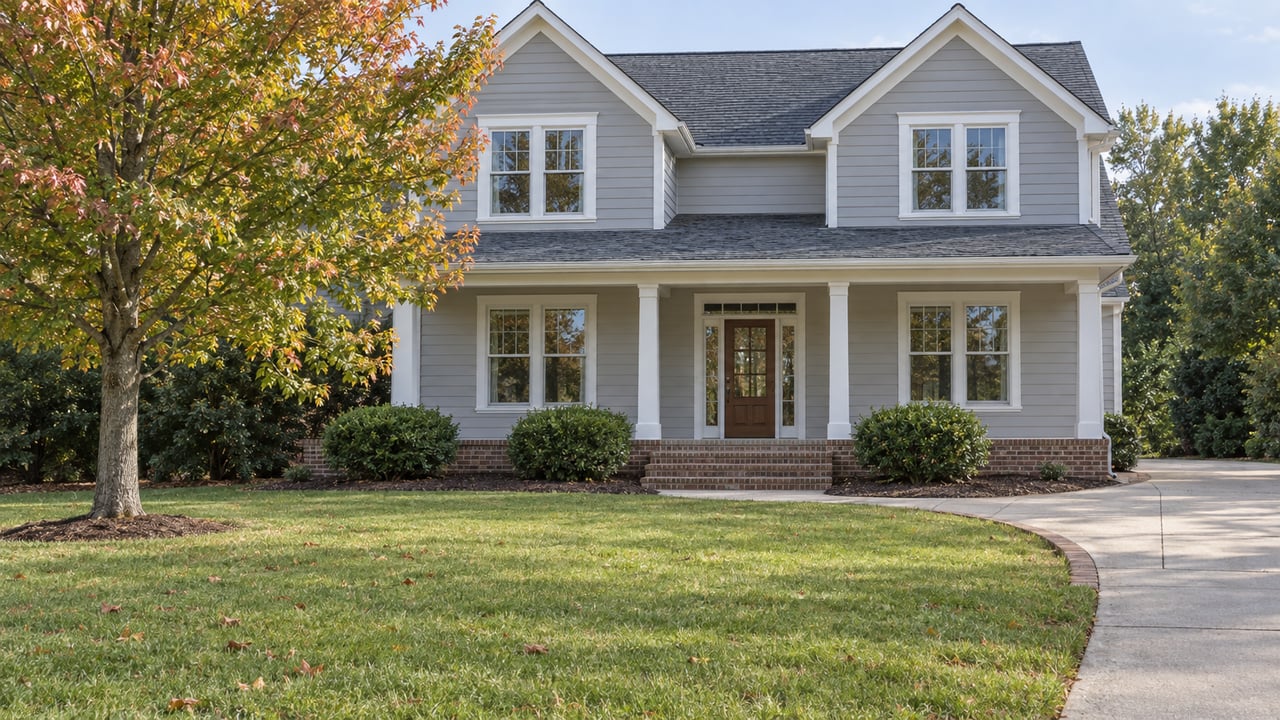
Are you curious about buying a home in Apex but unsure where to start? You are not alone. Apex draws steady interest for its proximity to Research Triangle Park, easy access to Raleigh and Cary, and a lifestyle that balances convenience with community. In this guide, you will learn how the local market moves, what offer terms look like in North Carolina, and how to use a smart search process to find the right fit. Let’s dive in.
Why Apex draws buyers
Apex is a fast-growing suburb in Wake County within the Raleigh–Durham–Cary region. Many buyers choose Apex for commute-friendly access to major employment hubs and for its neighborhood feel. You will also find a healthy mix of established communities and new-home options.
Demand has stayed relatively resilient compared with many non-metro areas. Even with higher mortgage rates in recent years, well-priced homes in Apex still see steady attention. That means preparation matters, especially if you are targeting a popular neighborhood or price point.
What to expect in the Apex market
Housing activity in Apex follows a familiar seasonal rhythm. Listings and buyer demand typically rise from late winter through spring. Activity slows in late summer and fall, then reaches its quietest point in late fall and winter.
Inventory often runs tighter than the national average. In spring, you usually see more choices, but competition increases. In late fall and winter, you may face fewer competing offers, though there can be fewer listings to consider. Plan your search timing with that trade-off in mind.
New construction or resale
New construction plays a major role in Apex. You will find single-family homes, townhomes, and some in-fill options across town. Builders may offer incentives like closing cost help or upgrade credits that change month to month.
Here is what to expect:
- New construction: builder warranties, structured upgrade pricing, lot premiums, and a longer timeline from contract to closing. Incentives vary by builder and by community. Condition is more predictable at move-in.
- Resale: potential for faster occupancy and more room for negotiation in cooler periods. You will also inherit mature landscaping and established neighborhood character. Plan for inspection findings and any deferred maintenance.
If you are relocating on a fixed schedule and want a specific layout, a completed or nearly completed spec home can be a great middle ground. If you want a larger yard or a particular location, a resale search might give you more variety.
Prices and days on market: how to think about them
Instead of focusing on a snapshot number, look at the big picture. Apex median sale prices often run higher than many nearby towns due to lifestyle and location advantages. During active periods, days on market in desirable areas can be well below broader county averages.
In softer conditions, timelines lengthen and negotiations tend to open up. Because conditions shift, ask your agent to pull current data for your specific neighborhood and price band. Align your offer strategy with those facts.
Timeline to buy in Apex
Your path to the closing table depends on whether you buy resale or new construction and how prepared you are at the start.
Resale purchase timeline
- Pre-approval and prep: 1 to 7 days once you gather documents and define search criteria.
- Offer to accepted contract: same day to a few days, especially for well-priced homes.
- Due diligence period and inspections: commonly 7 to 14 days by agreement.
- Loan underwriting and appraisal: often 21 to 45 days after contract acceptance.
- Closing: most financed purchases close in about 30 to 45 days from contract; cash can be faster.
Plan on roughly 4 to 8 weeks from contract to closing when financing. Build in extra time if you need to sell first or use specialized financing.
New construction timeline
- From contract to completion: about 3 to 12 months. A spec home closes sooner. A from-the-ground-up build takes longer.
- Process: deposit, design selections, construction milestones, final walkthrough, certificate of occupancy, and closing.
- Possession: follows the builder’s timetable and may shift for weather or supply delays. Get key dates and remedies in writing.
If you have a target move date, confirm with the builder how delays are handled and what is covered by the builder warranty.
Key offer terms in North Carolina
Buying in Apex means working within North Carolina’s standard contract structure. A few items are unique to the state and can surprise first-time buyers.
Due diligence fee vs earnest money
North Carolina commonly uses two deposits:
- Due diligence fee: a negotiated payment to the seller for the buyer’s right to investigate the property during the due diligence period. It is often nonrefundable if you cancel, and the amount varies by home and market conditions.
- Earnest money deposit: held in escrow and applied to your purchase at closing. Its refundability depends on contract terms and whether you cancel within allowed timelines.
A larger due diligence fee can make your offer stronger, but it also increases your financial risk if you walk away. Know your comfort level before you offer.
Due diligence period and inspections
The due diligence period is a negotiated window to inspect and evaluate. You can cancel for any reason within that period, usually forfeiting only the due diligence fee under typical terms. Common lengths are 7 to 14 days, but they can be shorter or longer by agreement.
Use this time to complete inspections, review documents, and request repairs or credits. In more competitive conditions, you might shorten the timeline or limit requests to keep your offer attractive.
Appraisal and financing
If you are financing, the lender orders an appraisal. If the appraisal is below the contract price, options include renegotiating, bringing additional cash, or canceling under the contract terms. Some buyers use appraisal gap or escalation language, which adds complexity. Coordinate closely with your lender and agent.
Loan approval deadlines also appear in the contract. Respond fast to lender document requests to stay on schedule. Cash offers often close faster with fewer contingencies, which many sellers prefer.
Other common terms
- Closing date and possession: clarify when you get keys. Some builder contracts use different occupancy rules.
- HOA and document review: plan time to study covenants, rules, fees, and budgets.
- Title and survey: confirm deadlines for raising objections.
- Repairs vs credits: weigh the certainty of completed repairs against the simplicity of a seller credit.
Weighing risk when waiving protections
Waiving inspections or appraisal protections can strengthen an offer but increases risk to you. Discuss trade-offs with your agent and lender before removing safeguards.
Smart due diligence on homes and neighborhoods
Well-chosen checks reduce surprises and help you write a confident offer.
Get financing ready
- Seek full pre-approval, not just prequalification, when possible.
- Review down payment, estimated closing costs, and cash reserves.
- Understand how due diligence and earnest money fit into your cash-on-hand.
Neighborhood, utilities, and municipal checks
- School assignments: verify current assignment maps if that is part of your decision.
- Utilities: confirm water and sewer service and any connection fees for newer subdivisions.
- Floodplain and drainage: review flood maps and ask about stormwater management on the lot.
- HOA: request covenants, rules, fees, and any special assessments.
- Future development: review planning and zoning maps for nearby projects that may affect traffic, views, or noise.
Title, taxes, and ownership history
- Check county tax records for current tax amounts and any recent reassessments.
- Review deed history and any easements that could affect how you use the property.
- Look at prior listing history for pricing changes or notes on repairs.
Inspections and specialists
- Standard home inspection, plus HVAC, roof, radon, pest, or septic as needed.
- For older homes, consider electrical or foundation specialists.
- For new construction, plan a third-party punch-list review before closing and confirm builder warranties.
Use Jody’s property search like a pro
A focused search saves time and positions you to act quickly when the right home appears.
Set up and refine searches
- Create saved searches for each scenario, like “Apex 3-bed under $600k” or “Apex townhomes new construction.”
- Use the map or polygon tool to target specific neighborhoods or commute corridors.
- Filter by price, beds, baths, property type, lot size, year built, HOA presence, and useful keywords like “screened porch” or “first-floor bedroom.”
- Sort by Newest or Days on Market to spot fresh opportunities fast.
Alerts and immediacy
- Turn on instant email or text alerts for new listings and price drops in your top areas.
- Keep broader searches on a daily summary to reduce noise.
Prioritize listings
- Favorite or star homes and note what you like and what you need to verify.
- Watch status changes like Active, Pending, or price reductions to time showings.
- Note any mentions of seller concessions or appliances included.
Verify key details
- Confirm square footage, lot size, HOA dues, and known updates with the listing agent.
- Check county records for tax history and legal description.
- For new builds, verify the builder, lot number, included features vs upgrades, and the estimated completion date.
Coordinate next steps
- Request showings directly through the tool if available, or contact your agent to book priority tours.
- Keep lender and inspector contacts handy so you can move from showing to offer without delay.
- Maintain a short watch list and pull quick comps when you are ready to write.
Buyer strategies that work in Apex
- Get fully pre-approved and gather proof of funds. Sellers and builders notice.
- Offer a reasonable due diligence fee and earnest money that shows commitment while respecting your risk tolerance.
- Use seller-friendly terms where you can: flexible closing dates, clear contingency deadlines, and timely inspections.
- For new construction, negotiate appliances, blinds, lot premiums, and timelines. Clarify remedies for delays.
- Consider an escalation clause only with clear caps and language that addresses potential appraisal gaps.
- Work with a local agent who knows Apex builders, neighborhoods, and closing practices so your offer reflects real market norms.
Your next step
If Apex feels like the right fit, now is the time to prepare. Get pre-approved, define your must-haves, and set up targeted searches so you are ready when the right home appears. With clear timelines, smart due diligence, and a steady hand on the process, you can buy with confidence in this Triangle market.
When you are ready, reach out to schedule a discovery call, set up custom searches, or get a neighborhood-level walkthrough of the process. Connect with Jody Whitehurst to start your Apex plan today.
FAQs
What should first-time buyers know about buying in Apex, NC?
- Expect seasonal swings, tight inventory at times, and a North Carolina contract that uses a due diligence fee plus earnest money. Get pre-approved and move quickly on homes you love.
How long does a typical resale purchase take in Apex?
- From contract to closing, many financed resale purchases take about 30 to 45 days, with 7 to 14 days of due diligence for inspections. Cash purchases can close sooner.
What is the North Carolina due diligence fee and why does it matter?
- It is a negotiated, often nonrefundable payment to the seller that gives you the right to investigate and cancel within the due diligence period. A larger fee can strengthen your offer.
When is the best time of year to buy in Apex?
- Spring brings more listings and more competition. Late fall and winter may offer less competition but fewer choices. Your goals and timeline should guide the decision.
Should I buy new construction or a resale home in Apex?
- New construction offers warranties and predictable condition but longer timelines and potential lot premiums. Resale homes can allow quicker moves and broader location options, with inspections guiding repairs or credits.
What neighborhood checks should I do before making an offer in Apex?
- Verify utilities, review HOA rules and fees, look at flood maps, and check planning and zoning for future development. Confirm taxes, easements, and any recorded restrictions.
How can I make my offer more competitive in Apex?
- Get full pre-approval, use clear timelines, and consider a strong but thoughtful due diligence fee and earnest money. Avoid waiving protections without professional guidance.