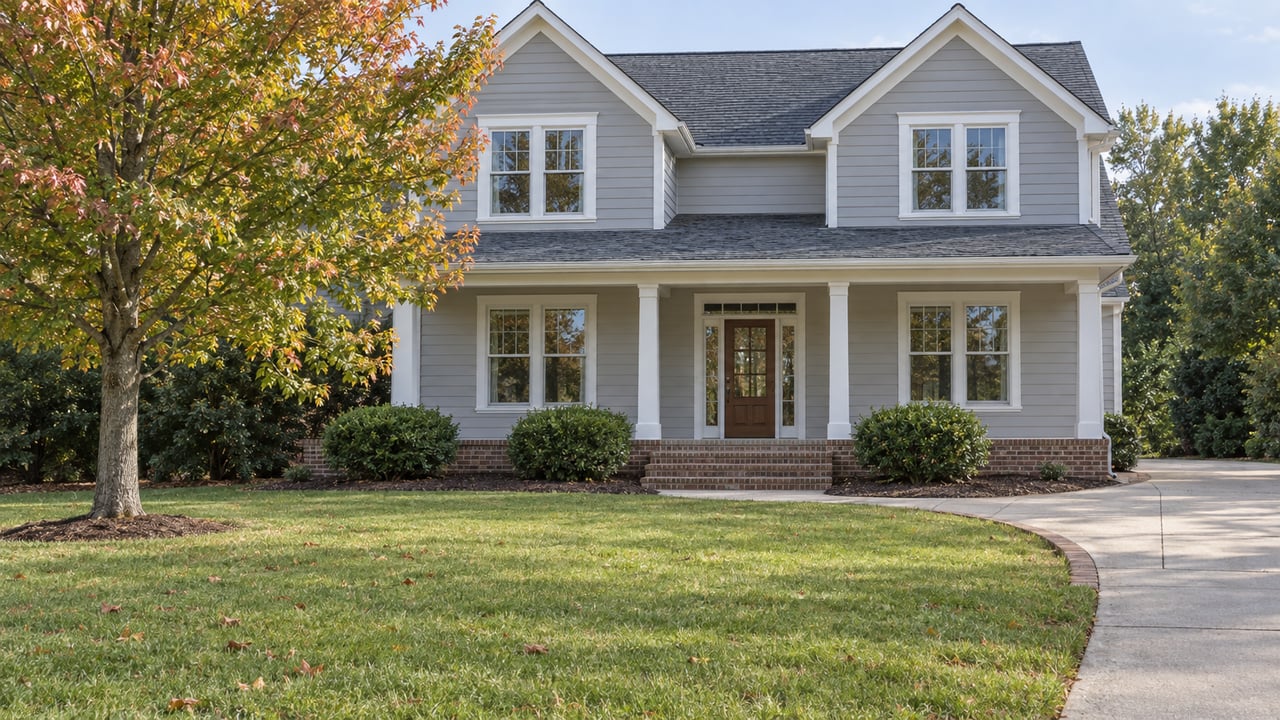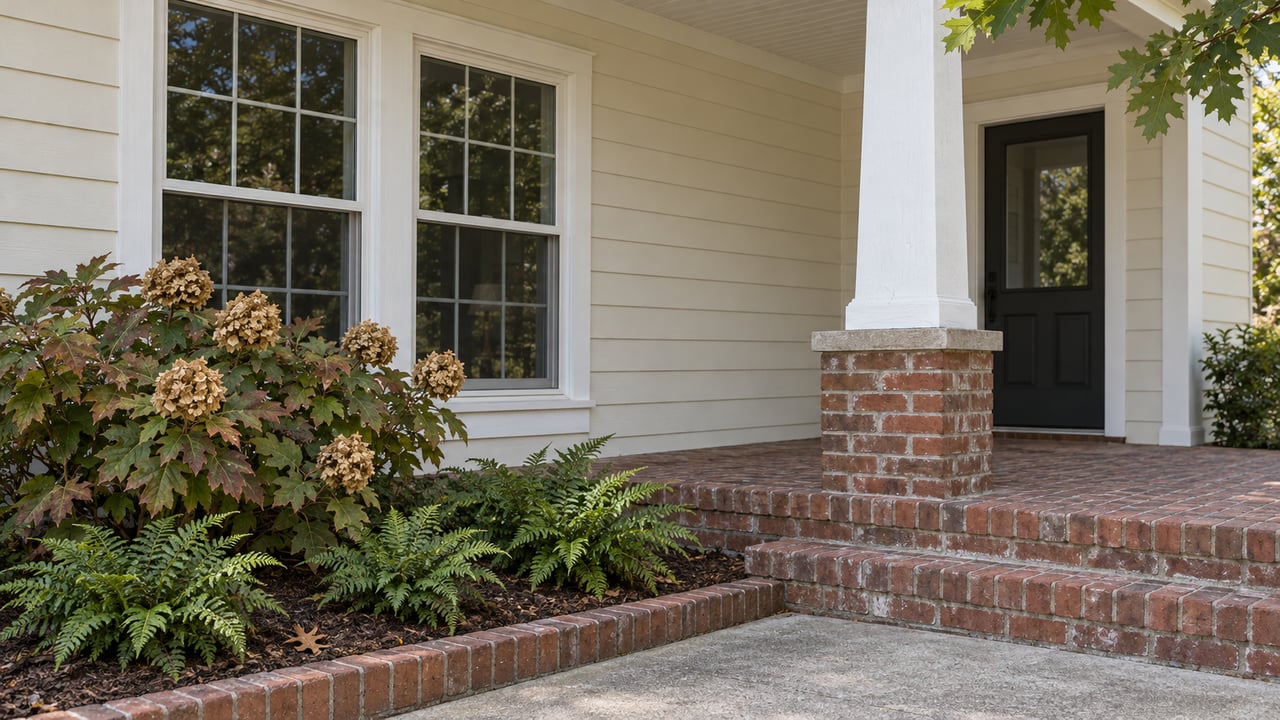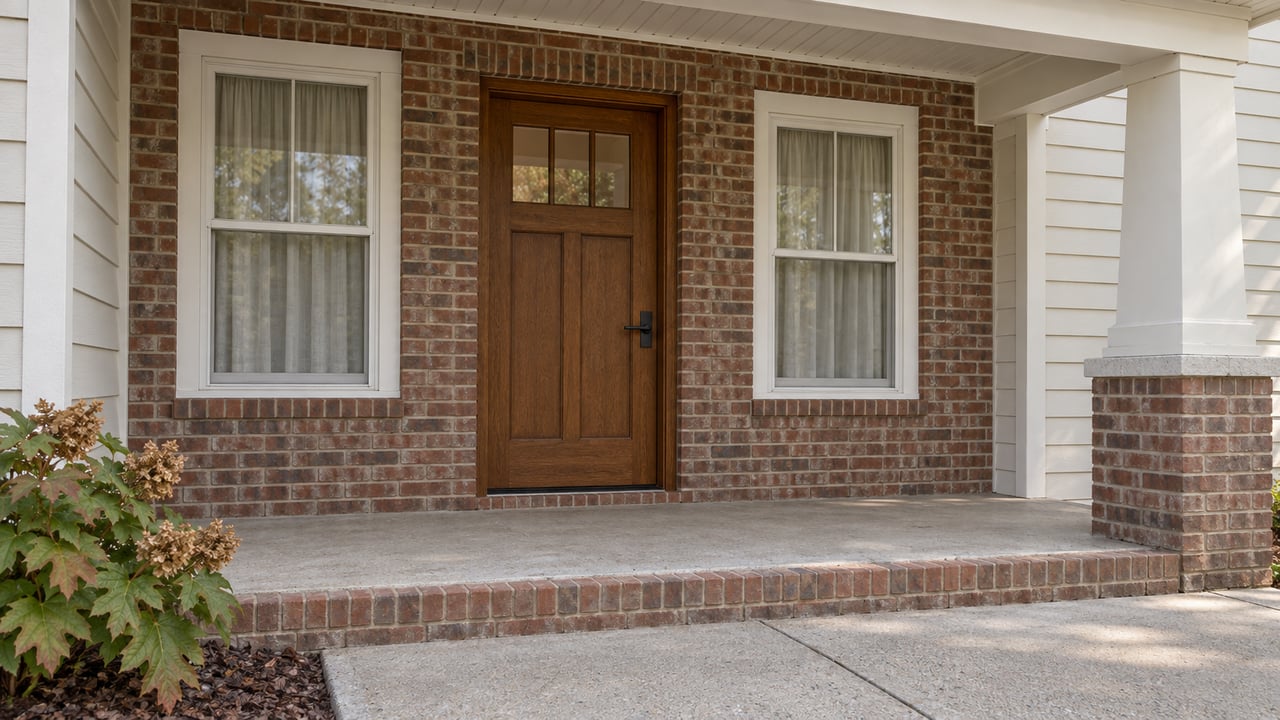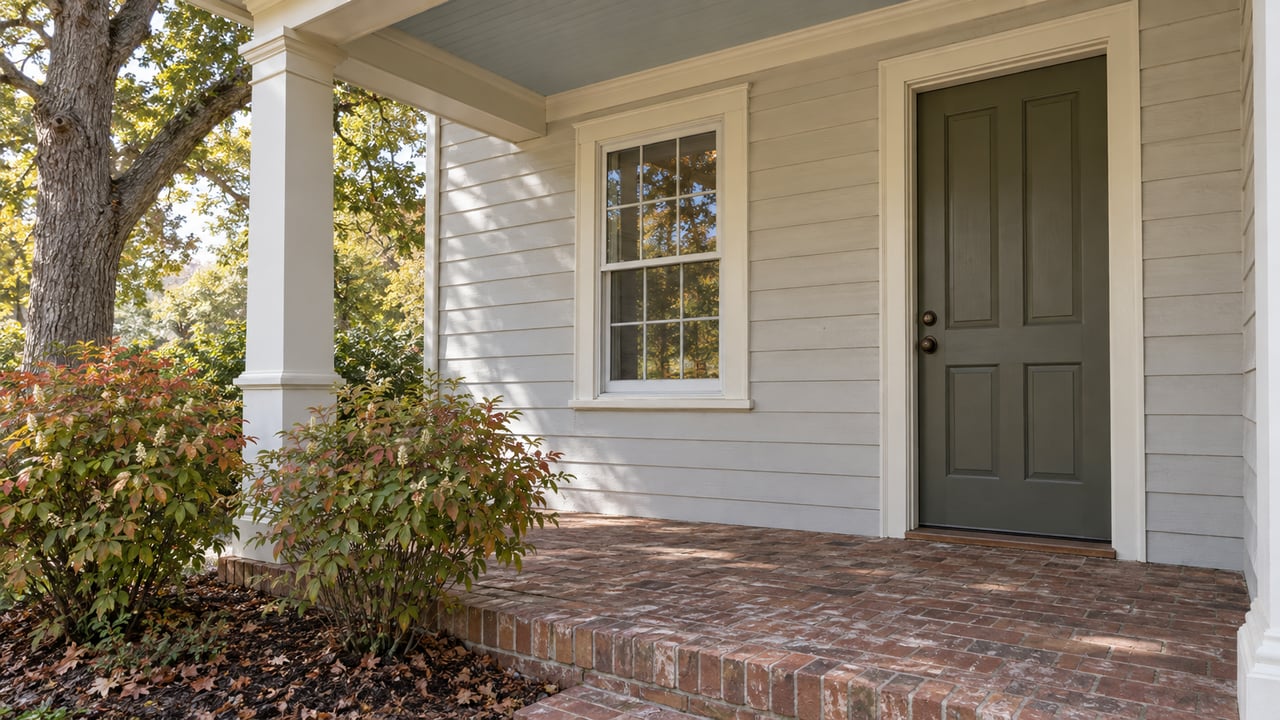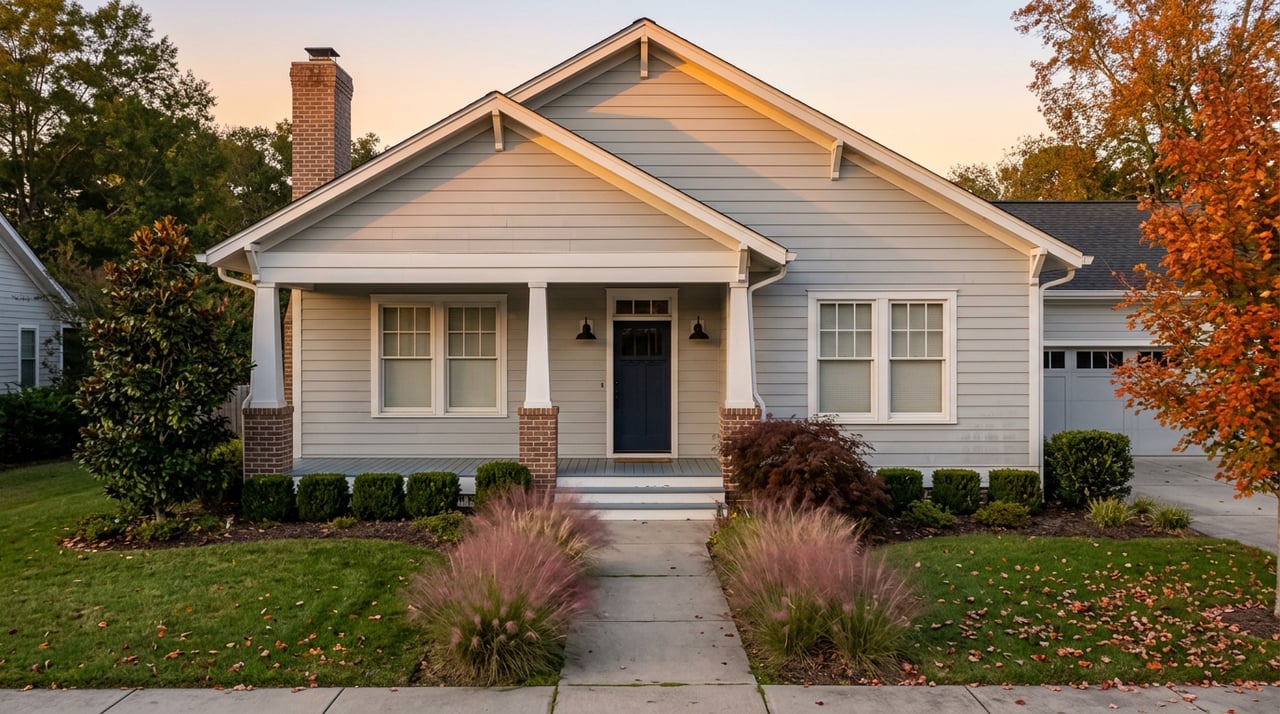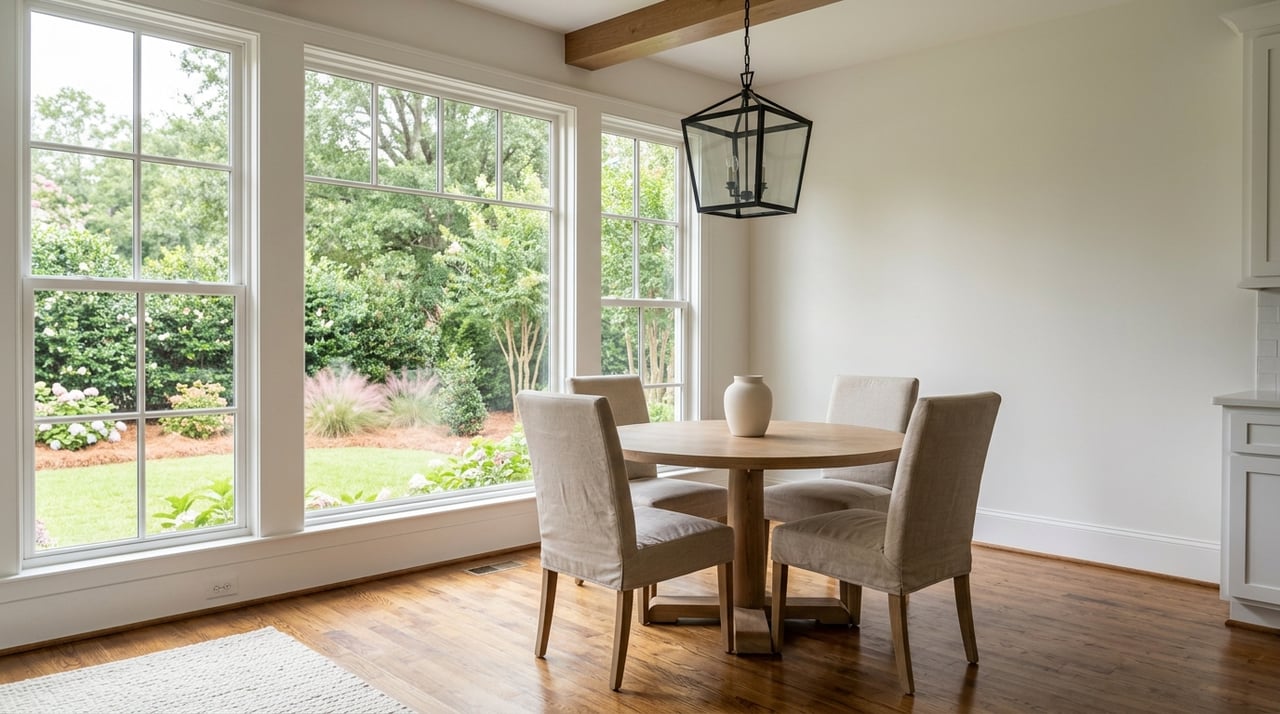
Relocating to a new state can feel exciting and overwhelming at the same time. If Holly Springs is on your radar, you are probably trying to balance home search details with commute questions, travel plans, and the challenge of making a confident decision from far away. The good news is that with the right process, you can narrow your options, verify the details that matter, and handle much of the purchase remotely. Let’s dive in.
Why Holly Springs draws out-of-state buyers
Holly Springs has become a popular choice for buyers who want access to the Triangle while still enjoying a town with its own identity. It sits in southwest Wake County, about 20 miles from Raleigh-Durham International Airport and 21 miles from Research Triangle Park, which can make regional travel and commuting easier for many households. According to the town and Census Bureau estimates, Holly Springs had a 2024 population of 48,674 and has averaged about 6% annual growth over the past decade.
That growth has come with amenities that many relocating buyers want to see up close. The town highlights more than 300 acres of open parkland, 12.8 miles of greenways, a 54-acre lake, a cultural center, a community library, and recent downtown growth that added 100,000 square feet of retail and mixed-use space in the past two years. The Town of Holly Springs demographics page and community overview offer a helpful snapshot if you are getting to know the area from another state.
Downtown Holly Springs can also play an important role in your home search. The town notes that Main Street includes a farmers market, festivals, Town Hall, a library, and Mims Park. If you are relocating, these details can help you think beyond the house itself and focus on what daily life may look like once you arrive.
Start with location, then narrow by address
When you buy from out of state, it helps to move from broad research to address-specific decisions. Start by identifying the parts of Holly Springs that fit your commute patterns, preferred amenities, and lifestyle priorities. Then narrow to specific homes only after you confirm the details tied to that exact property.
This step matters because some of the biggest questions are not answered by the town name alone. For example, school assignment in Wake County is address-based. The Wake County Public School System address lookup information explains that assignments depend on the exact address, and track assignments for year-round schools are not guaranteed and can change.
If school assignment is part of your decision, do not rely on a listing description or a general assumption about Holly Springs. Verify the exact address through the official WCPSS tool before you get too far into the process. That one step can save you time and help you compare homes more accurately.
Build a smart out-of-state home search plan
A remote home search works best when you follow a clear sequence. Instead of trying to evaluate everything at once, focus on the items that help you quickly eliminate homes that are not a fit.
Use community factors first
Before you study finishes or paint colors, focus on the practical pieces that are harder to change later. Think about commute access, proximity to daily needs, and how often you want to be near parks, downtown, or major roads. Holly Springs' location in the Triangle, plus its greenways, lake, and growing downtown, can make these lifestyle checks especially useful.
Use virtual tours to narrow choices
Virtual tours and recorded walkthroughs can help you reduce travel and spend your energy on the strongest options. They are especially useful when you want to compare layout, room flow, storage, and the general condition of a home before booking a trip.
A virtual tour is not a replacement for due diligence, but it is a practical filter. It can help you move from a long online list to a short list of homes worth seeing more closely.
Plan one focused visit trip
If possible, schedule a structured trip for your finalist homes. This is the time to look beyond listing photos and pay attention to traffic patterns, parking, noise, and how nearby amenities feel in person.
For many out-of-state buyers, one well-planned visit is more helpful than several rushed trips. You can use it to compare neighborhoods, explore downtown Holly Springs, and get a better feel for the town's greenways, parks, and access points.
Know the local costs before you offer
Your monthly payment is only part of the ownership picture. As you compare homes, make sure you also account for local taxes and fees that affect your budget.
The Town of Holly Springs tax page states that the municipal property tax rate is 34.35 cents per $100 of assessed value. The town also levies a $25 vehicle decal fee on the county tax bill. These are straightforward items to include in your ownership budget as you evaluate affordability.
Depending on the property, you may also need to review HOA dues and other recurring ownership costs during the contract process. Those should be confirmed property by property rather than assumed upfront.
Understand North Carolina due diligence
North Carolina's due diligence process is one of the most important things for out-of-state buyers to understand. The North Carolina Bar Association homebuying guide explains that this period is the buyer's opportunity to inspect the property, review title, order a survey, and confirm restrictive covenants, HOA dues, taxes, and closing charges before becoming legally committed.
This is also the time to carefully review the Residential Property Disclosure Statement, which sellers generally provide before the offer is made except in some new-home situations. If you are buying remotely, this review process becomes even more important because you may not be seeing every detail in person right away.
What to review during due diligence
Use the due diligence period to confirm the facts, not just the marketing. A strong review often includes:
- Home inspection results
- Title review
- Survey review if needed
- Restrictive covenants
- HOA documents and dues
- Property taxes and closing charges
- Seller disclosure documents
For remote buyers, this is the phase where good organization matters most. Keep documents in one place, ask questions early, and make sure each concern is addressed before deadlines pass.
Know how the due diligence fee works
North Carolina Real Estate Commission guidance explains that the due diligence fee is due by the effective date of the contract, becomes the seller's property on the effective date, and is generally nonrefundable unless the seller materially breaches the contract or the contract says otherwise. The same NCREC bulletin on due diligence fees notes that payment may be made by cash, official bank check, wire transfer, or electronic transfer.
If you are buying from another state, make sure you understand this timing before you submit an offer. It is one of the key mechanics that can surprise buyers who are more familiar with another state's contract process.
What can be handled remotely in North Carolina
One of the biggest questions relocating buyers ask is whether they need to be physically present for every step. In many cases, the answer is no.
North Carolina recognizes electronic records and electronic signatures in real estate transactions when the parties agree to use electronic means. The NCREC guidance on digital signatures and record retention confirms that electronic signatures can carry the same legal effect as paper signatures in real estate transactions.
The state also has a legal framework for electronic notarization and remote electronic notarization. The North Carolina Secretary of State notary information explains that the state authorizes electronic signatures, electronic notarization, and electronic recording. Even so, North Carolina law still requires a licensed North Carolina attorney to supervise a residential real estate closing.
Expect attorney-led closing coordination
The practical takeaway is that many parts of your purchase can happen without travel, but the legal closing process still runs through the closing attorney. Your document review, signing options, funding steps, and recording timeline should be coordinated early with that closing team.
If you hope to minimize travel, talk about those logistics as soon as you are under contract. That gives everyone more time to line up the right notarization method and lender requirements.
Use public records from anywhere
When you are researching a home from out of state, online public records can be very helpful. Wake County's Register of Deeds provides access to the Consolidated Real Property Index, which includes recorded documents and historical maps.
That can help you review plats, deeds, and other public-record items without being local. It is not a substitute for professional guidance during the transaction, but it can give you another layer of confidence as you gather information.
Protect yourself from wire fraud
Remote transactions are convenient, but they also create more reliance on email, digital document sharing, and wire transfers. That means fraud prevention needs to be part of your process from day one.
The NCREC warning on wire fraud advises buyers to verify wiring instructions directly and exclusively with the closing attorney using contact information from the attorney's own website, not the contact information included in the email with the instructions. It also warns that any request to change wiring instructions should be treated as a major red flag.
A simple rule can protect you here: never send money based only on an email. Always confirm by phone using a trusted number you found yourself.
A simple out-of-state buying roadmap
If you want a practical way to organize your move, this step-by-step approach works well for many buyers:
- Define your target areas in Holly Springs based on commute, amenities, and overall lifestyle fit.
- Verify important address-based details, including school assignment, for each serious option.
- Use virtual tours or walkthrough videos to narrow your shortlist.
- Plan a focused trip to compare finalist homes in person.
- Submit offers electronically when appropriate and move quickly into due diligence.
- Review inspections, title, survey, disclosures, covenants, HOA documents, taxes, and closing charges.
- Coordinate early with the closing attorney about signing, notarization, funding, and timing.
- Verify wiring instructions directly with the closing attorney before sending funds.
Buying a home in Holly Springs from out of state is very doable, but it works best when you have a process that is both local and detailed. If you want a guide who can help you think through community fit, home search strategy, and the moving pieces of a remote purchase, Jody Whitehurst is here to help you make your next move with clarity and confidence.
FAQs
Which school is a Holly Springs home assigned to?
- School assignment in Wake County is based on the exact property address, so you should verify it through the official WCPSS address lookup rather than relying on the town name alone.
Can you buy a home in Holly Springs without traveling for every step?
- Often, yes. North Carolina allows electronic signatures for real estate transactions and has a legal framework for remote electronic notarization, but a North Carolina attorney still supervises the residential closing.
What costs should you budget for when buying in Holly Springs?
- At minimum, budget for the Holly Springs municipal property tax rate of 34.35 cents per $100 of assessed value and the town's $25 vehicle decal fee, along with any property-specific dues or closing costs.
What should you review during due diligence on a Holly Springs home?
- You should review inspections, title, survey issues, restrictive covenants, HOA documents and dues, taxes, closing charges, and the seller's disclosure documents during the due diligence period.
How can out-of-state buyers avoid wire fraud during a Holly Springs closing?
- Verify wiring instructions directly with the closing attorney by phone using contact information from the attorney's own website, and treat any emailed change in wiring instructions as a serious red flag.