If you are thinking about selling in Cary, one question matters more than almost anything else: are you pricing for the market you have, or the market you hope for? That can feel like a big decision, especially when Cary homes span a wide range of prices, timelines, and neighborhood patterns. The good news is that with the right prep and a local pricing strategy, you can make smart choices from the start. Let’s dive in.
What today’s Cary market looks like
Cary is still active, but it is not a market where sellers can simply pick a number and expect buyers to chase it. Recent market reports show median prices around the low to mid-$600,000s, homes going pending or selling in roughly a month to six weeks, and sale-to-list ratios near 99%.
Those numbers tell an important story. Buyers are engaged, but they are also paying attention. In a market like this, careful pricing and strong presentation tend to matter more than testing an aspirational list price.
Another key point is that citywide averages only go so far. Cary neighborhood data shows a large spread in both pricing and days on market, from lower median list prices in some areas to well over $1 million in others, and from fast-moving pockets to areas where homes sit longer.
Why Cary pricing should be hyper-local
If you are selling in Cary, buyers are usually not comparing your home to all of Wake County. They are comparing it to homes that feel like true alternatives in your part of Cary. Redfin’s March 2026 numbers show Cary’s median sale price running about 29% above Wake County’s median, which is one more reason countywide averages can miss the mark.
That is why a strong pricing strategy starts with nearby, recent closed sales. Zillow recommends using comparable homes within about a half-mile radius that match as closely as possible on size, bedroom count, and major features.
In real life, that means the best comps are usually homes from the same neighborhood or a very similar nearby pocket. A home in Preston, Amberly, Cary Park, or Cary Town Center may need a very different pricing conversation, even if the square footage looks similar on paper.
What the best Cary comps have in common
When you price your home, the strongest comps usually share these traits:
- Similar square footage
- Similar bedroom and bathroom count
- Similar lot size or setting
- Similar condition and update level
- Similar HOA status, if applicable
- A recent closing date
- A location in the same neighborhood or a very similar nearby section of Cary
Active listings can still be useful, but they are not the best starting point. Closed sales show what buyers were actually willing to pay, and that is what gives your pricing strategy real traction.
Why accurate pricing matters on day one
In Cary’s current market, sale-to-list ratios around 99% suggest that precision matters. That does not mean every home sells at exactly list price, and some well-positioned homes can still attract strong offers. It does mean the market appears to reward homes that start at the right number.
When a home is priced too high, buyers may skip it or wait to see if the price drops. That can lead to more days on market, fewer strong early showings, and a listing that loses momentum.
When a home is priced well from the beginning, your launch has a better chance of creating immediate interest. That is especially important in Cary, where some neighborhoods move quickly and others require a more measured strategy.
How to prepare your Cary home before listing
Preparation is not about making your home perfect. It is about helping buyers see the home clearly and making sure your presentation supports your price.
Zillow says many sellers who meet their price and timing goals begin preparing 60 to 90 days before listing. A practical seller timeline often includes 8 to 12 weeks for planning, 6 to 8 weeks for repairs, 4 to 6 weeks for decluttering and staging, and 2 to 4 weeks for photography and listing materials.
If you are juggling work, a move-up purchase, downsizing, or a major life transition, that runway can make the process feel much more manageable. It also gives you time to focus on the updates that matter most.
The prep work that tends to pay off
Research points to a few categories that consistently help sellers present well:
- Decluttering
- Deep cleaning
- Paint touch-ups or full interior painting
- Minor repairs
- Depersonalizing
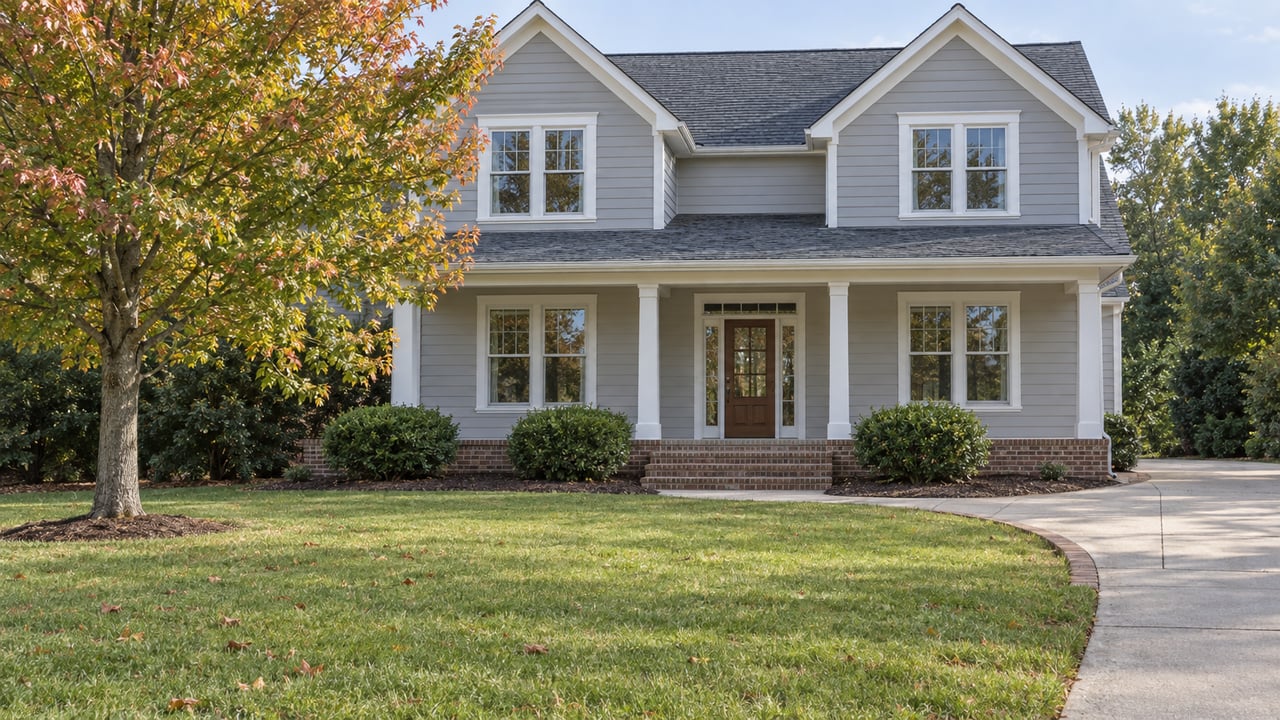
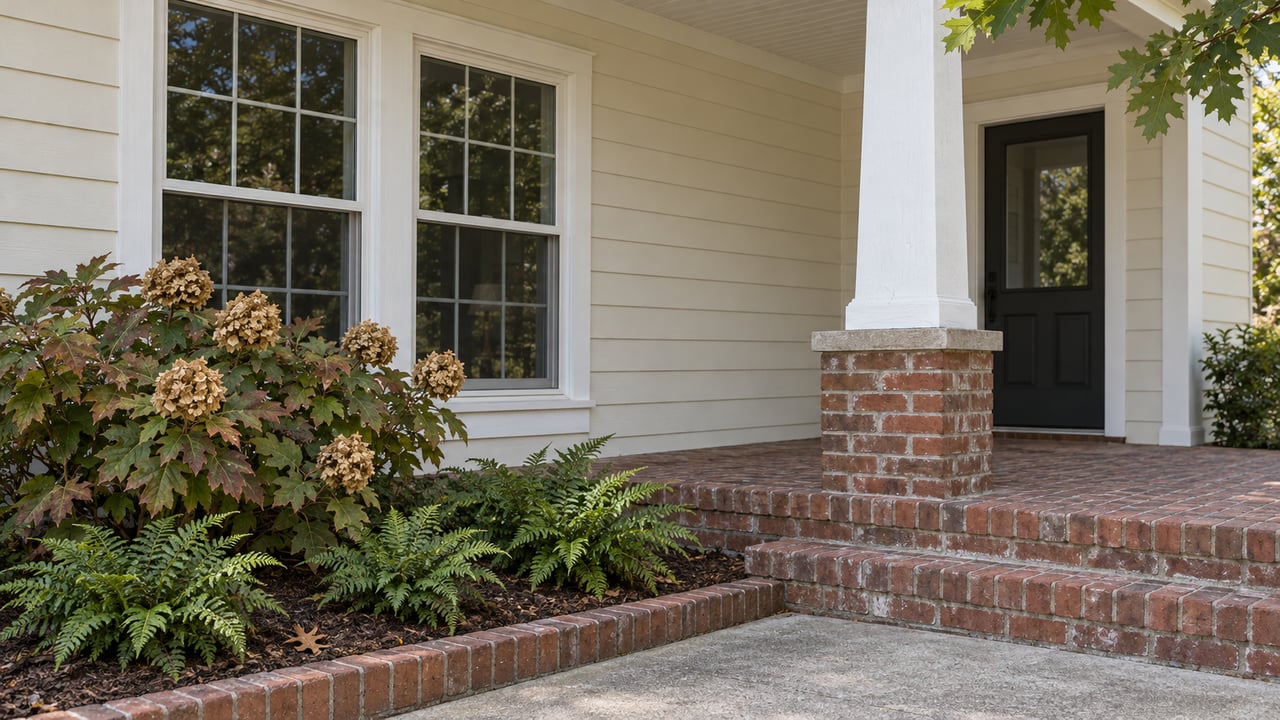
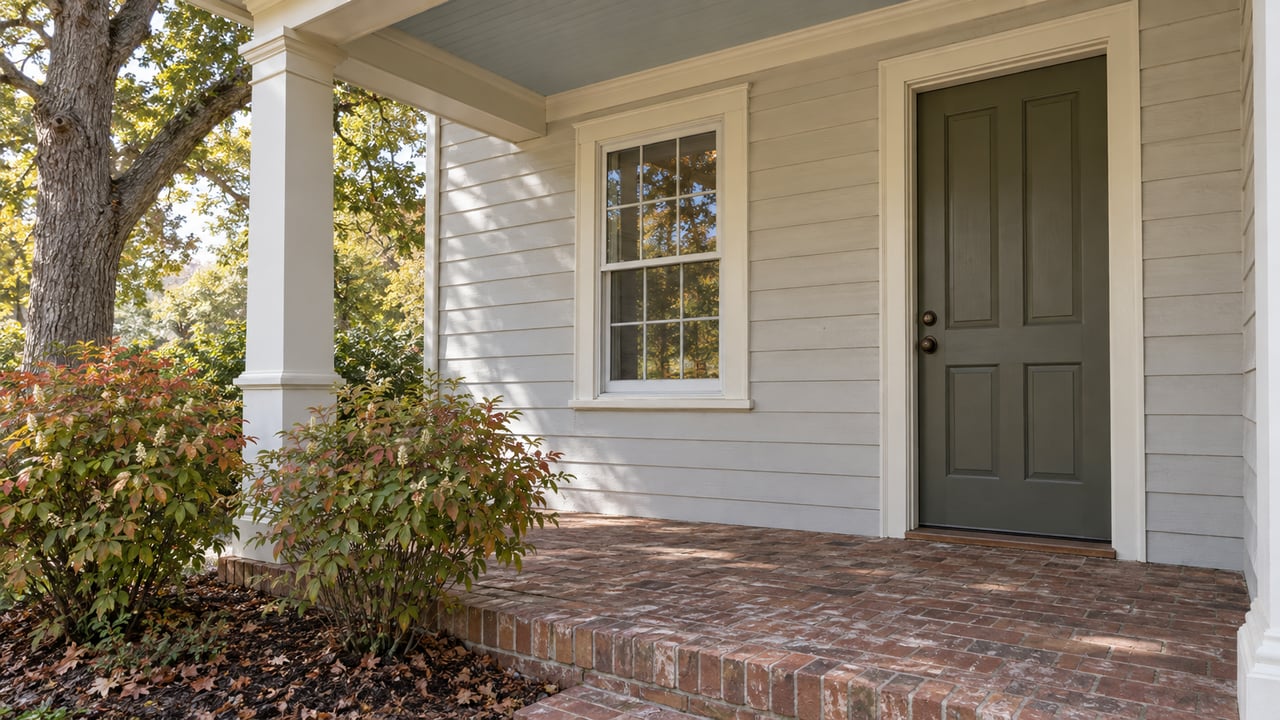
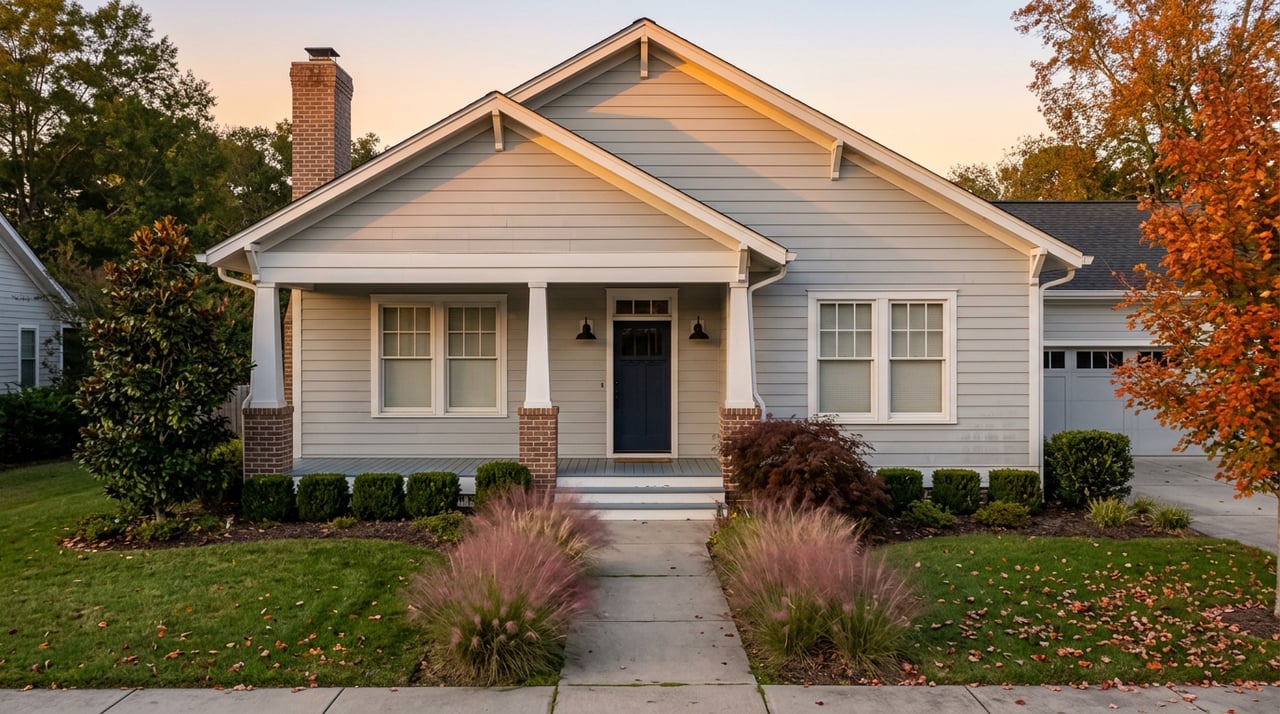
- Improving curb appeal
- Landscaping refreshes
- Carpet cleaning
- Professional photography
NAR’s 2025 staging research found that 83% of buyers’ agents said staging made it easier for buyers to visualize a home. The same report found that 49% of sellers’ agents said staging reduced time on market, and 29% said it increased offers by 1% to 10%.
That does not mean every seller needs a full-service staging package. It does mean presentation has real value, especially in key spaces.
Focus on the rooms buyers notice first
If your time or budget is limited, prioritize the rooms that tend to have the biggest visual impact:
- Living room
- Primary bedroom
- Kitchen
These are the rooms buyers often remember most. Clean lines, lighter visual clutter, and simple styling can help your home feel more move-in ready and easier to understand online and in person.
Which updates are worth considering
Not every project makes sense before you sell. In many cases, broad cosmetic improvements do more for marketability than highly personalized renovations.
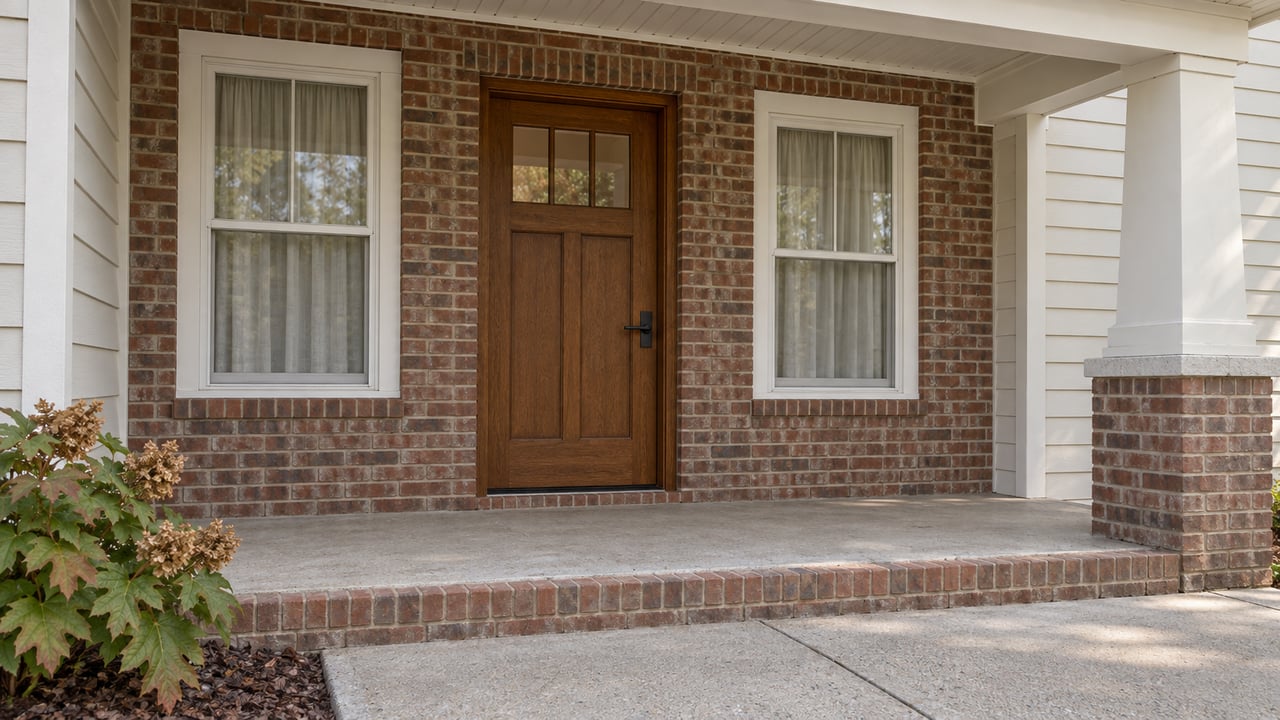
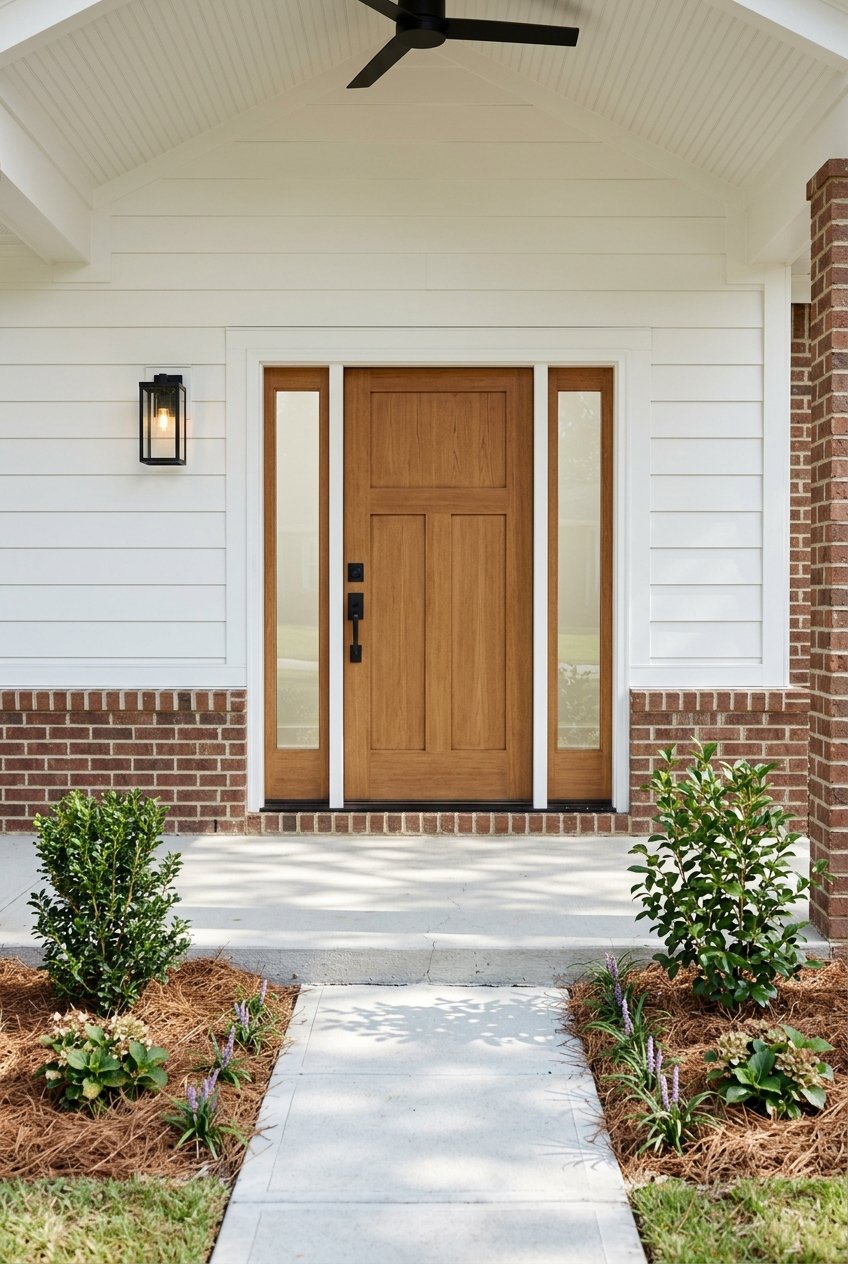
Zillow’s research highlights projects like garage door replacement, steel entry door replacement, fiber-cement siding, and a minor midrange kitchen remodel as stronger-payback improvements. NAR also reports that agents commonly recommend painting and, when needed, roof replacement before listing.
Just as important, Zillow found that remodeled homes sold for 3.7% more than expected, while fixer-uppers sold for 7.3% less than similar homes. That is a useful reminder that buyers often respond well to homes that feel well maintained and ready for a smooth move.
A simple way to decide what to fix
Before spending money, ask three questions:
- Will this issue stand out in photos or showings?
- Will buyers view this as deferred maintenance?
- Will this help support the price you want to achieve?
If the answer is yes to one or more of those questions, it may be worth addressing before you list. If not, your money may be better spent on cleaning, paint, and presentation.
Budgeting for staging and listing prep
Sellers often want to know how much prep should cost. NAR reports a median staging service cost of $1,500, compared with about $500 when the seller’s agent handles staging in-house.
Your actual budget depends on your home’s condition, size, and how much work is needed. Some Cary sellers need only a focused punch list and styling plan, while others may benefit from a longer prep period with repairs, paint, landscaping, and professional staging support.
The goal is not to overspend. It is to put your budget where buyers will notice it most.
Timing your sale in Cary
If you are trying to choose when to list, spring often draws strong buyer attention. Realtor.com’s 2026 Best Time to Sell report identified April 12 to 18 as the strongest national listing window, with more views than a typical week, faster sales, and higher median listing prices compared with January.
Still, timing is not just about the calendar. In Cary, your best listing window also depends on your neighborhood, competition, and how ready your home is to hit the market.
A well-prepared home that launches at the right price often has a stronger outcome than a rushed listing that goes live on an ideal date but is not fully ready. If you are aiming for spring or early summer, starting your prep well ahead of time can give you more flexibility.
Do not forget North Carolina disclosures
Selling a home in North Carolina also means planning for required paperwork. State law requires the Residential Property Disclosure Statement, and when applicable, the owners’ association and mandatory covenants disclosure statement, along with mineral and oil and gas rights disclosures.
If your home is in an HOA, the disclosures can include dues, special assessments, transfer fees, and association contact information. Material inaccuracies must be corrected promptly, so it helps to gather this information early rather than scramble once your home is live.
If your home was built before 1978, federal law also requires disclosure of known lead-based paint hazards and a lead hazard information pamphlet before contract ratification. If you are doing pre-listing paint or repair work on an older home, using lead-safe certified contractors is the recommended path.
A smarter Cary seller plan
The strongest Cary listings usually combine three things: realistic pricing, thoughtful preparation, and a smooth launch. In a market where homes are still moving but buyers are price-aware, that combination can help you protect both your timeline and your bottom line.
If you are preparing for a move-up purchase, downsizing, or a relocation-related sale, having a clear plan matters just as much as the final list price. The more your pricing reflects your exact Cary submarket and the more your presentation supports that number, the better positioned you are to attract serious buyers.
If you are wondering what your Cary home might need before listing, or how to price it for today’s market, Jody Whitehurst would be glad to help you build a practical, low-pressure plan for your next move.
FAQs
How should you price a home in Cary, NC?
- The strongest approach is to use recent closed sales from the same neighborhood or a very similar nearby area, with close matches in size, condition, features, and lot characteristics.
How long does it take to prepare a Cary home for sale?
- A practical timeline is often 8 to 12 weeks for planning, 6 to 8 weeks for repairs, 4 to 6 weeks for decluttering and staging, and 2 to 4 weeks for photos and listing materials.
What home improvements matter most before selling in Cary?
- Sellers often get the most value from decluttering, cleaning, paint touch-ups, minor repairs, curb appeal work, and updates that help the home feel move-in ready.
Is staging worth it for a Cary home sale?
- Staging can help buyers picture the home more easily, may reduce time on market, and is often most effective in the living room, primary bedroom, and kitchen.
What disclosures do North Carolina home sellers need?
- North Carolina sellers generally need the Residential Property Disclosure Statement and, when applicable, owners’ association, mandatory covenants, and mineral and oil and gas rights disclosures, with prompt corrections if information changes.
Does a Cary seller need to follow lead-paint rules for an older home?
- Yes, if the home was built before 1978, known lead-based paint hazards must be disclosed before contract ratification, and lead-safe practices are especially important for pre-listing repair or paint work.