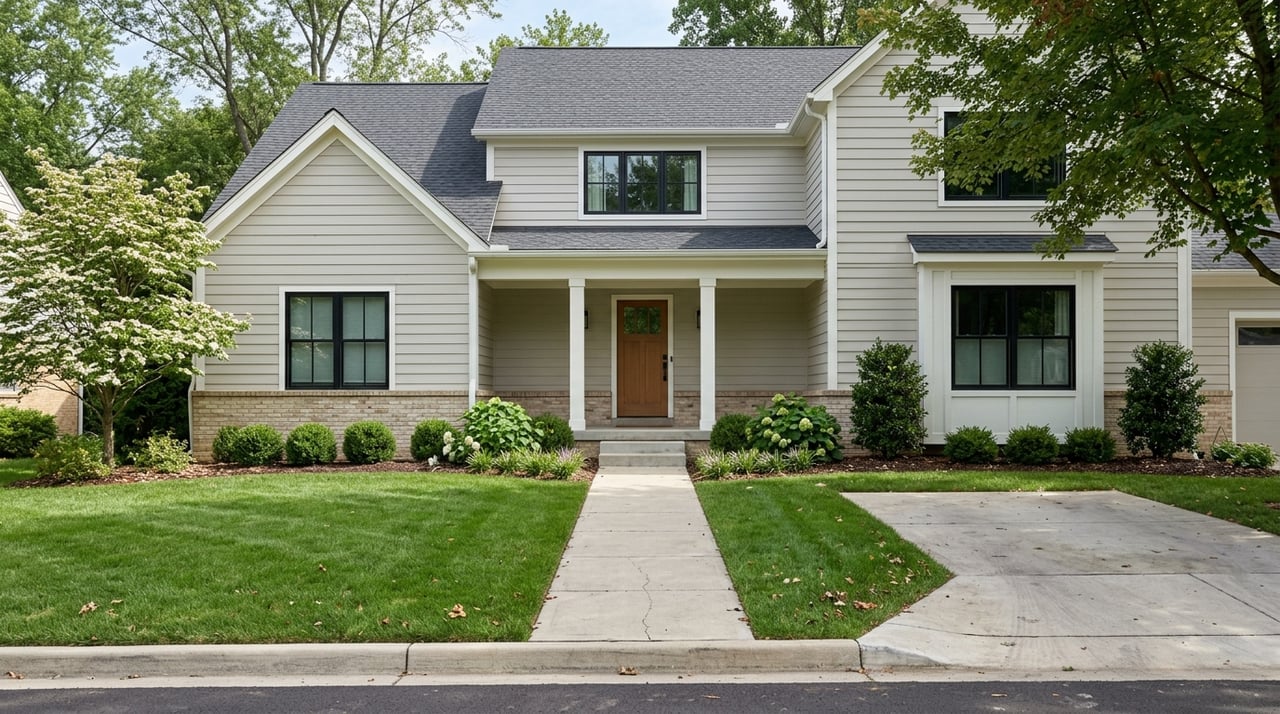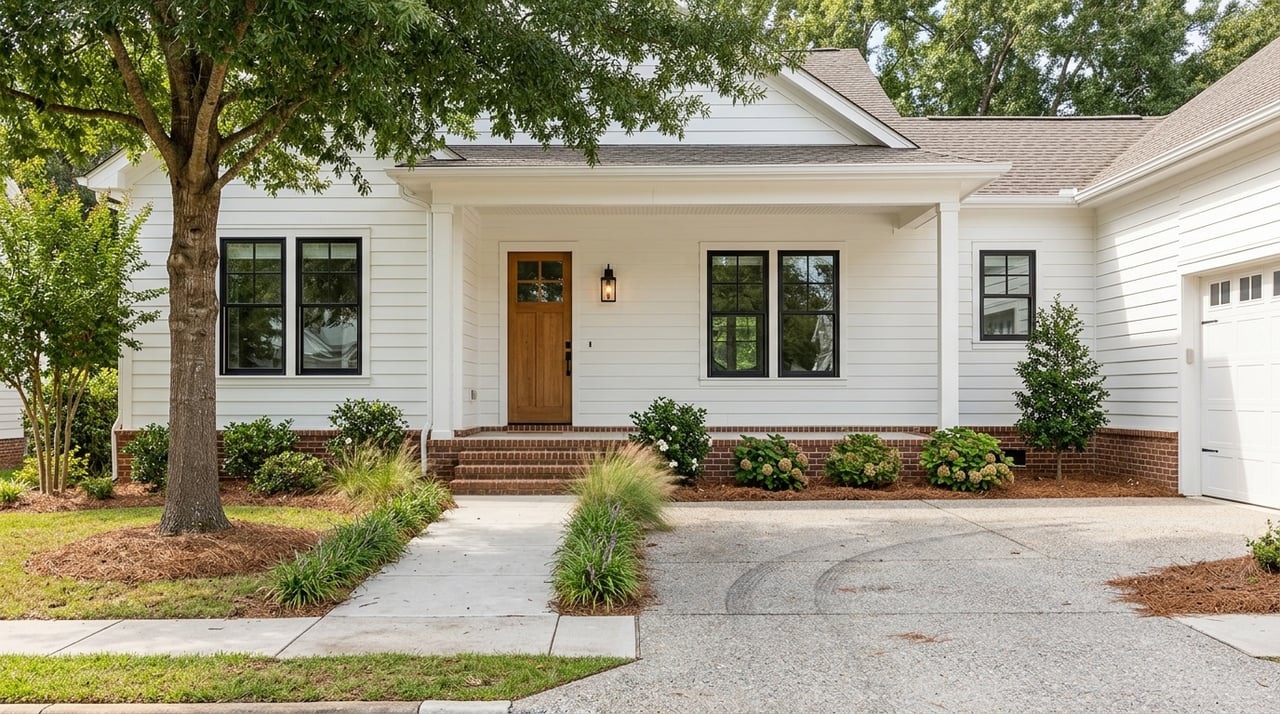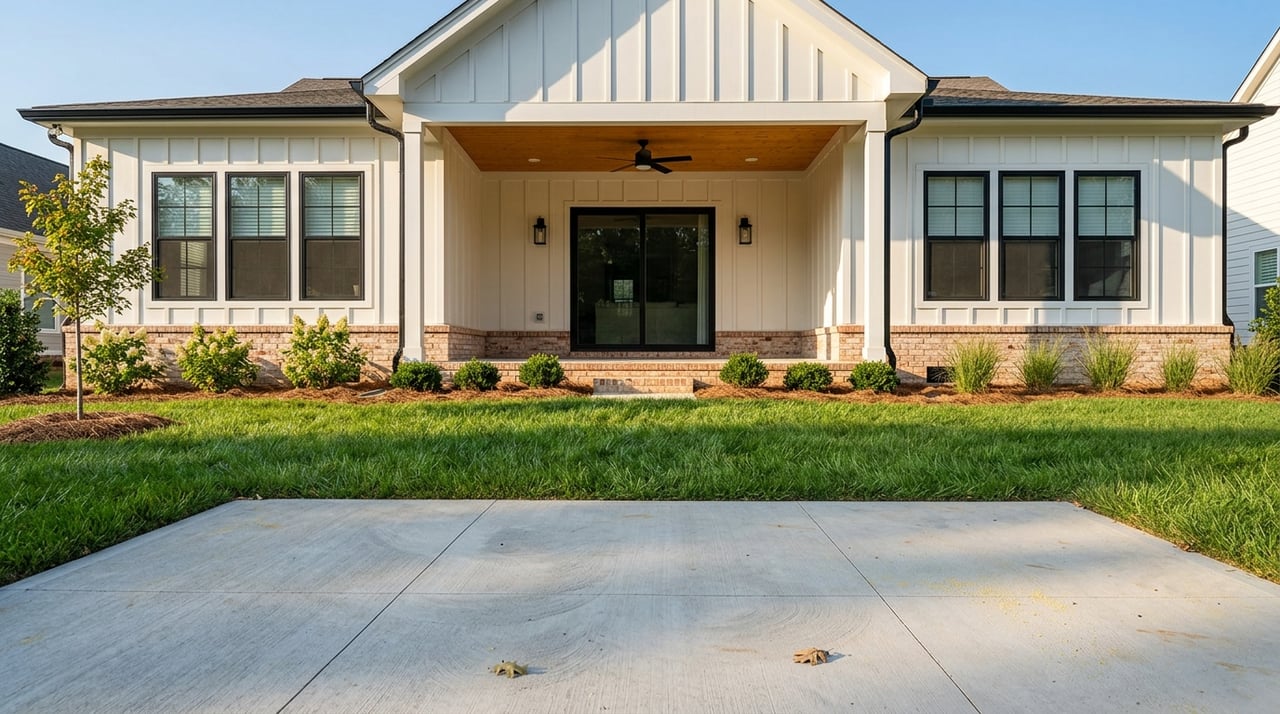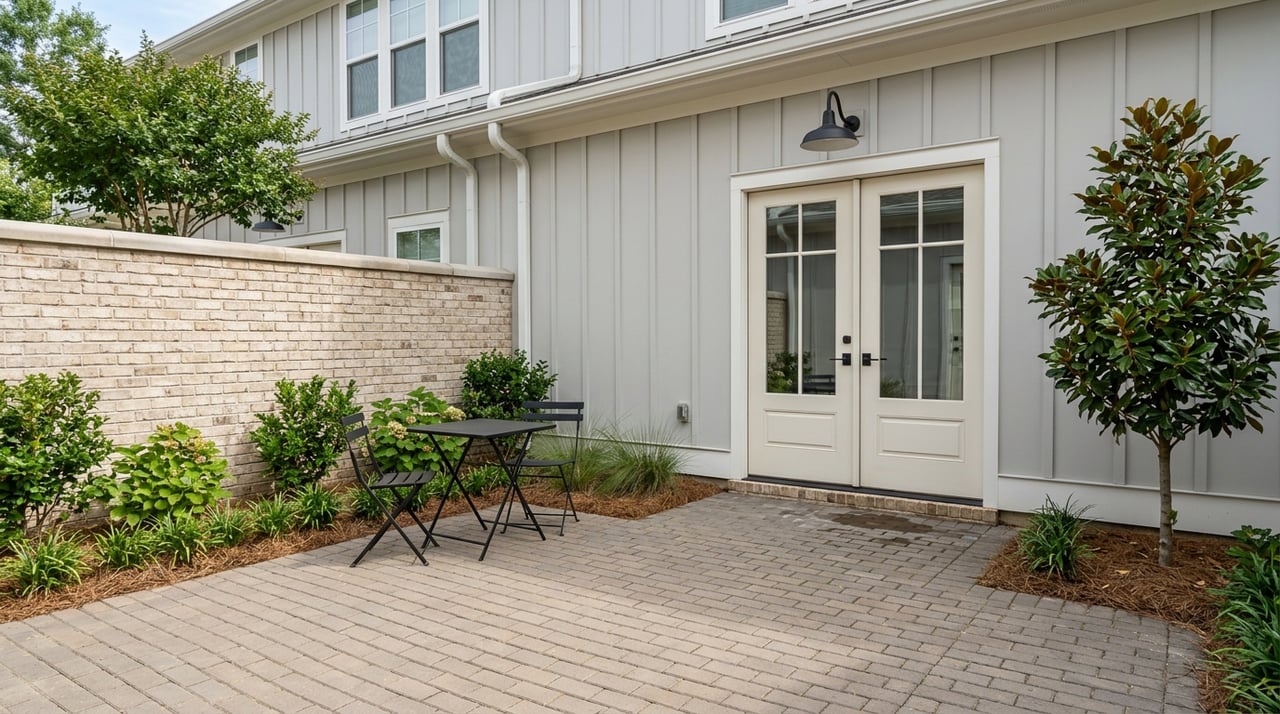
Are you starting to feel like your house takes more from you than it gives back? If you are thinking about less upkeep, easier daily routines, and a home that better fits this stage of life, Cary deserves a close look. The good news is that downsizing in Cary does not mean giving up comfort or convenience. It often means choosing the kind of maintenance, location, and lifestyle that works better for you. Let’s dive in.
Why Cary works for downsizers
Cary stands out because the town has made room for a wide range of housing needs, including options that support aging in place. That matters when you want a home that can work well now and still feel practical later.
The lifestyle side is just as important. Cary reports more than 107 miles of paved greenways and more than 492 miles of sidewalks, which can make it easier to stay active without depending on a large yard or constant driving.
For many buyers, low-maintenance living is not only about the home itself. It is also about having everyday essentials nearby. Cary offers a strong mix of walkable destinations, transit options, healthcare access, and mixed-use areas that can simplify daily life.
What low-maintenance living really means
Low-maintenance living is not the same as no-maintenance living. In Cary, the real question is where you want the responsibility to sit: with you, with an association, or somewhere in between.
Some buyers prefer to pay monthly dues in exchange for less exterior work. Others would rather own a smaller detached home and keep more control, even if that means more hands-on upkeep. The right fit depends on your budget, your routine, and how much home care you actually want to handle.
North Carolina consumer guidance makes one thing clear. If you are buying into a community with an HOA or condo association, you should read the governing documents carefully, ask how fees can change, and understand that special assessments may still happen.
Cary features that support easier living
Walkability and daily convenience
Downtown Cary is one of the clearest examples of a low-maintenance lifestyle in town. The Town describes it as a walkable mix of dining, shopping, and entertainment centered around Downtown Cary Park and the surrounding social district.
That kind of setup can matter more than square footage. When errands, coffee, recreation, and gathering spaces are easier to reach, you may find that your day feels simpler and your home needs less from you.
Fenton adds another mixed-use option to consider. The Town describes it as a 92-acre mixed-use development, showing how Cary continues to add places where shopping, dining, and daily activities are clustered together.
Trails, sidewalks, and getting around
Cary’s greenway and sidewalk network can be a major advantage if you want to stay active without maintaining a large lot. Access to paved trails and connected sidewalks can make walking part of your routine instead of a special trip.
Transit is part of the picture too. GoCary provides fixed-route and door-to-door service, and the Town says those services connect residents to jobs, healthcare, shopping, schools, and regional transit options.
Healthcare and support services
Healthcare access often moves higher on the priority list when you downsize. WakeMed Cary Hospital is the only full-service hospital in Cary, and Duke Health operates multiple primary care locations in town, including Duke Health Cary and Waverly Place.
Cary also operates a Senior Center, which adds another practical layer of local support. Even if you are active and independent, many buyers want to know those resources are part of the community.
Comparing downsizing home types in Cary
Townhomes: a middle-ground option
Townhomes often appeal to buyers who want less exterior upkeep than a detached home but still want traditional ownership. You may get less yard work and fewer outside maintenance tasks than you have now, while still keeping a layout that feels familiar.
The trade-off is that community rules and monthly dues matter. North Carolina guidance advises buyers to review HOA bylaws and covenants closely and to understand that fees can change over time.
If you like the idea of simplifying without fully giving up the feel of a house, a townhome can be a practical middle ground. It often works best for buyers who want some help with upkeep but still want more separation than a condo may offer.
Condos: the most hands-off ownership
Condominiums are usually the most hands-off ownership model of the main downsizing options. Under North Carolina condo law, the association is responsible for maintaining, repairing, and replacing common elements, while the unit owner is responsible for the unit itself.
That can reduce your direct maintenance load, which is a big plus for many downsizers. At the same time, it means your experience depends heavily on how well the association budgets, plans repairs, and manages shared property.
This is why condo buyers should pay close attention to association governance and finances. If predictability matters to you, it is worth asking detailed questions before you commit.
55+ communities: lifestyle first
For some buyers, a 55+ community offers the clearest answer to downsizing. Federal rules allow age-restricted housing when at least 80 percent of occupied units have at least one resident age 55 or older and the community follows HUD verification rules.
In Cary, active-adult examples show why this option appeals to many buyers. Carolina Preserve includes 1,360 homes, a 35,000-square-foot clubhouse, fitness and pool amenities, and a large club calendar. Heritage Pines says its monthly HOA fee includes some property maintenance and lawn care along with clubhouse and athletic facility access.
These communities can be a strong fit if you want built-in activities, shared amenities, and fewer exterior chores. The key is making sure you want the lifestyle, not just the floor plan.
Smaller single-family homes: control with fewer rooms
A smaller detached home can still be the right move if you want privacy, outdoor space, and more control over the property. You may reduce cleaning, heating, cooling, and overall housework simply by choosing a smaller footprint.
Still, detached ownership usually means more direct responsibility than a condo or some attached-home options. Roofs, yards, and exterior systems typically stay on your to-do list or your budget.
This option often works well for buyers who want to right-size without changing their ownership style too much. If independence matters most, a smaller single-family home may be worth the extra upkeep.
Questions to ask before you choose
When you compare homes in Cary, it helps to focus on how you want to live day to day, not just on price or square footage. A home that looks perfect on paper may feel less practical if the layout, rules, or location do not match your routine.
Here are a few smart questions to ask:
- How many stairs are there?
- Is there zero-step entry or elevator access?
- What exterior maintenance is covered?
- What stays your responsibility?
- Are there age restrictions, guest rules, rental limits, or pet rules?
- How close are grocery stores, healthcare, parks, and transit stops?
- Does the community lean more private or more social?
These questions can help you compare townhomes, condos, 55+ communities, and smaller detached homes in a practical way. They also help you think beyond the listing photos.
What monthly fees may actually cover
One of the biggest downsizing questions is simple: what does the monthly fee really buy? The answer can vary a lot from one Cary community to another.
In some communities, fees may include lawn care, some property maintenance, clubhouse access, athletic facilities, or shared amenity upkeep. In others, the association may mainly cover common elements and shared spaces.
That is why you should ask for specifics. Do not assume a fee covers roof work, exterior maintenance, social programming, or landscaping unless the documents clearly say so.
How to decide what matters most
A good downsizing move usually starts with priorities, not property type. If your main goal is less upkeep, a condo or certain 55+ communities may rise to the top. If your main goal is privacy and control, a smaller detached home may still be the better fit.
If walkability matters most, focus on areas near Downtown Cary or other mixed-use destinations. If healthcare access is a top concern, compare how close each option is to WakeMed Cary Hospital, Duke Health locations, and your everyday shopping needs.
The best Cary downsizing plan is the one that supports your real life. That means looking at maintenance, monthly costs, layout, location, and community feel together, not one at a time.
Downsizing can feel emotional, practical, and exciting all at once. If you want help sorting through Cary home options and finding the right balance of comfort, convenience, and independence, Jody Whitehurst is here to help you make your next move with confidence.
FAQs
What makes Cary NC a good place for downsizing?
- Cary offers diverse housing options, a walkable downtown, more than 107 miles of paved greenways, more than 492 miles of sidewalks, local transit through GoCary, and access to healthcare including WakeMed Cary Hospital and Duke Health primary care locations.
What is the difference between a condo and a townhome in Cary NC?
- A condo usually offers a more hands-off ownership model because the association maintains common elements, while a townhome often gives you a middle-ground option with less exterior upkeep than a detached home but more HOA involvement and rules to review.
What should you ask about HOA fees in Cary downsizing communities?
- Ask whether the fee covers lawn care, exterior maintenance, roof work, common-area upkeep, clubhouse access, athletic facilities, or social programming, and review the governing documents to understand how fees and assessments may change.
Are 55+ communities in Cary NC only about age restrictions?
- No. Age-restricted communities can also offer a distinct lifestyle, including amenities, club programming, and some property-maintenance coverage, so the lifestyle fit matters as much as the home itself.
How do you choose the best low-maintenance home in Cary NC?
- Compare your priorities for upkeep, monthly costs, stairs, access, healthcare proximity, shopping, transit, and the overall community feel to decide whether a condo, townhome, 55+ community, or smaller detached home fits you best.