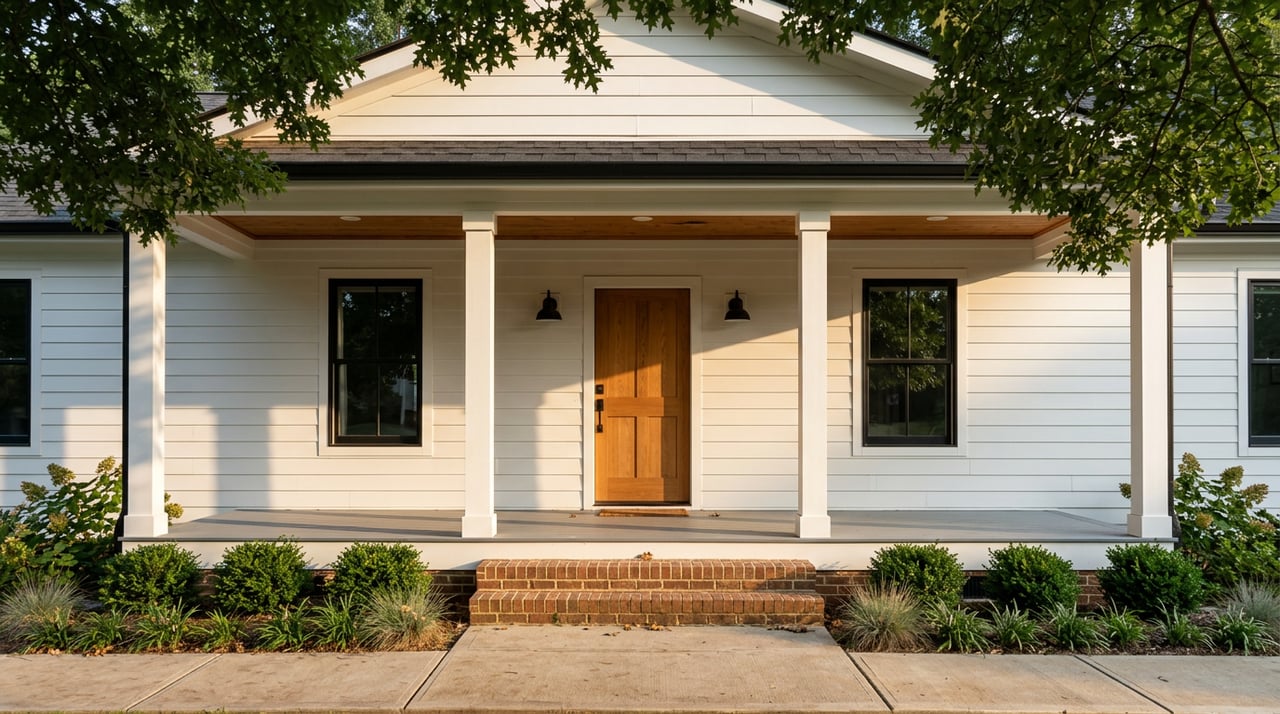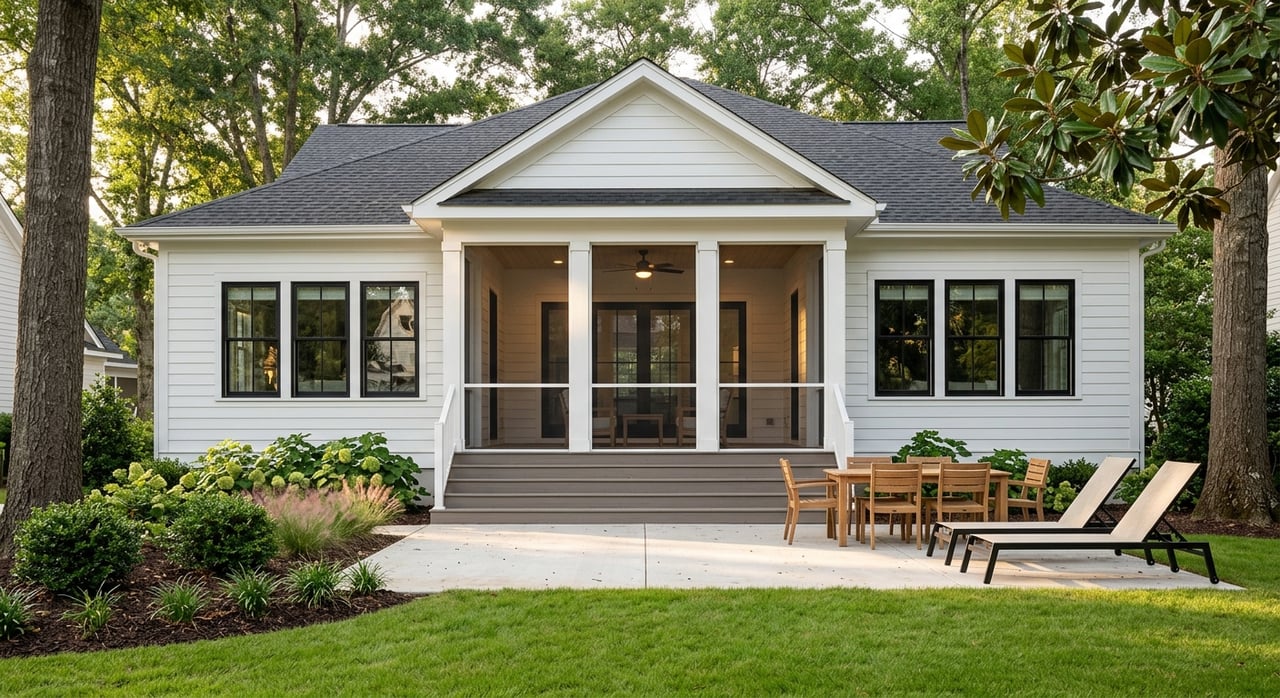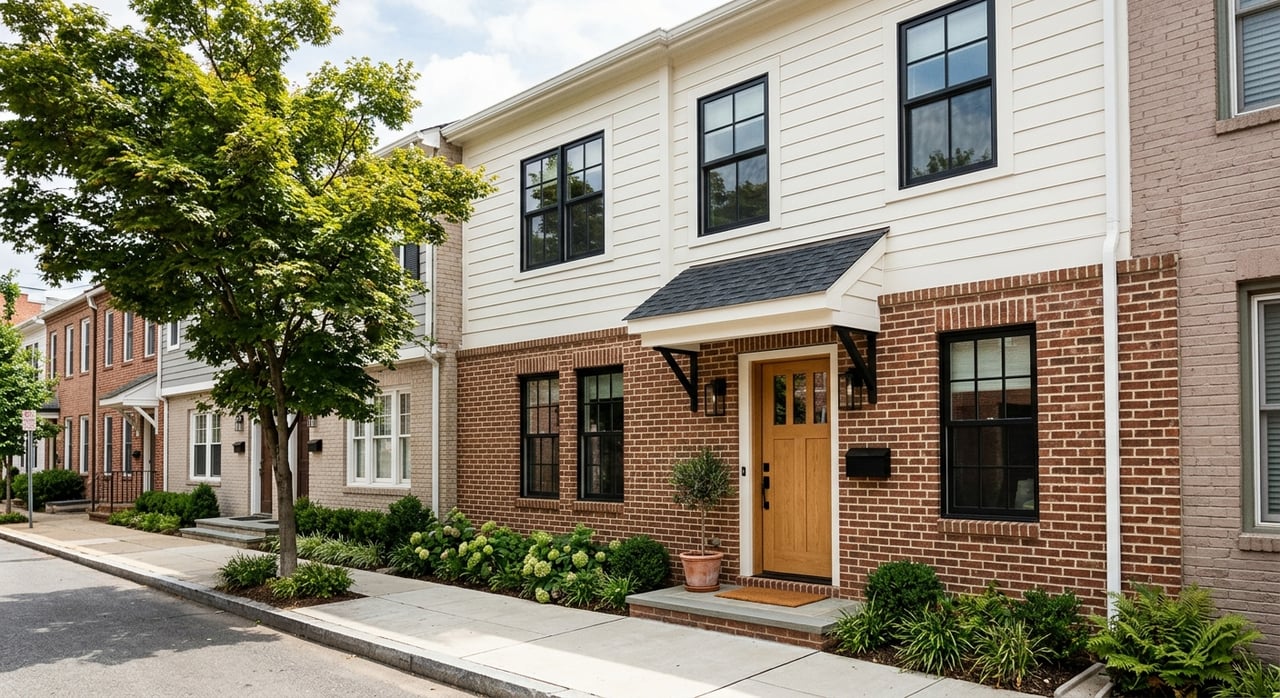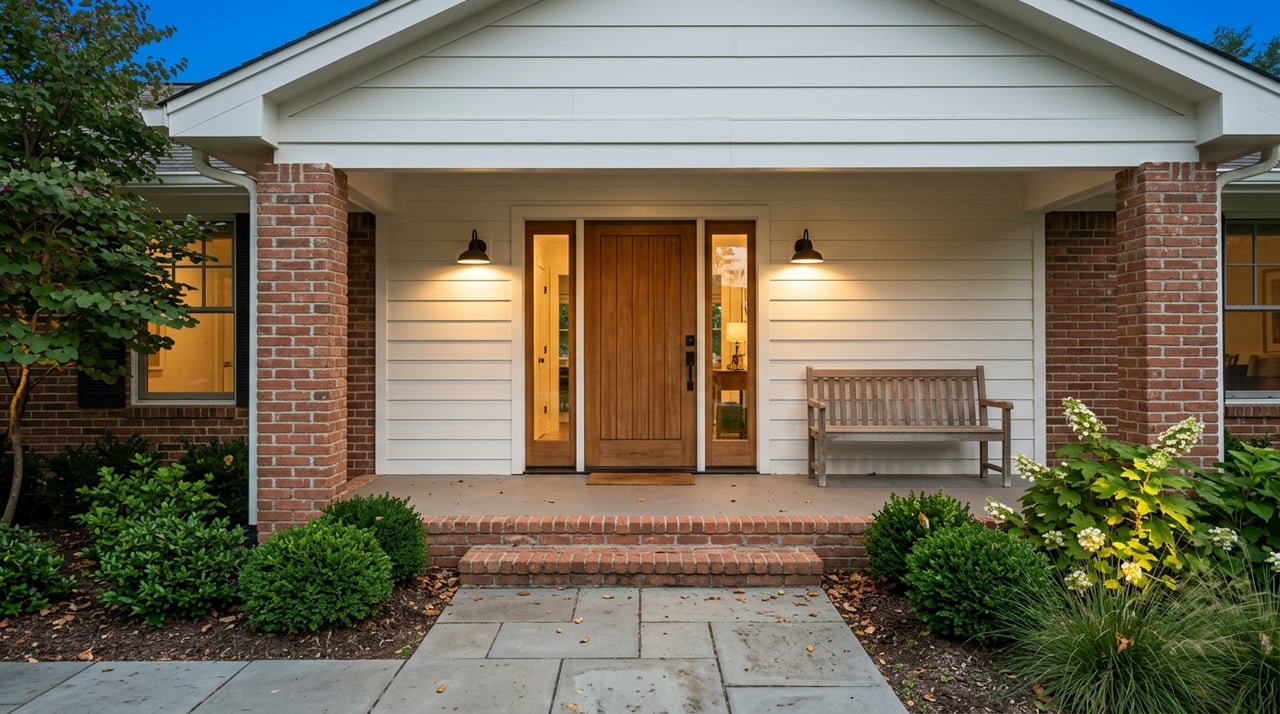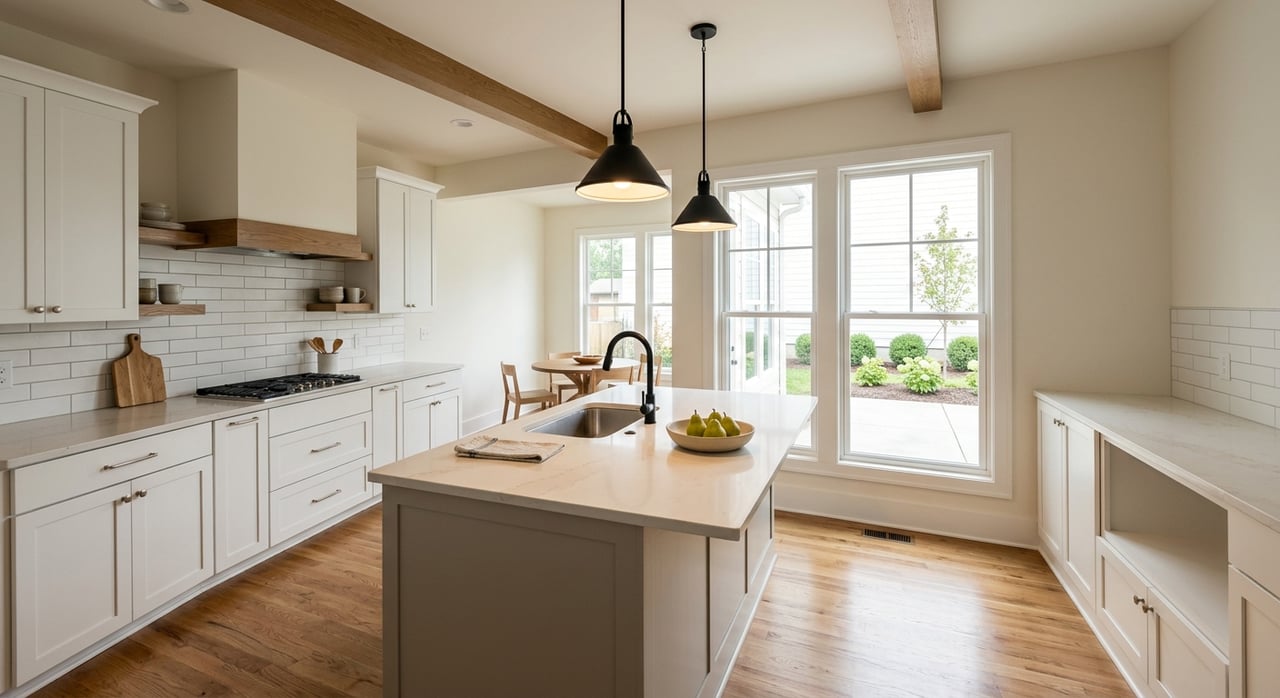
Thinking about a brand-new home in West Cary? It can feel exciting right up until the details start piling up: builder timelines, lot premiums, HOA documents, inspections, and the question of when you can actually move in. If you want a smoother new-construction move, a little planning goes a long way. This guide walks you through what to expect in West Cary, what to verify before you commit, and how to make confident decisions from contract to closing. Let’s dive in.
Why West Cary draws buyers
West Cary continues to stand out for buyers who want newer homes, community amenities, and convenient access to outdoor spaces. Cary’s official recreation information highlights 85 miles of greenways and more than 3,000 acres of parks and open space, along with bike-friendly facilities like signed routes, bike lanes, and repair stations.
That lifestyle picture helps explain the appeal of new communities in this part of Cary. Buyers are often comparing not just floor plans, but also trail access, open space, and nearby recreation options like Mills School Park, which includes multipurpose fields, a lighted stadium field, a youth softball field, a picnic shelter with restrooms, and a lighted basketball slab.
The market backdrop matters too. Redfin reports that over the three months ending April 2026, West Cary homes sold in about 27 days, received 1 offer on average, and had a median sale price of $661,754 with a 99.1% sale-to-list ratio.
Compared with Cary overall, West Cary appears to be moving a bit faster right now. Redfin’s March 2026 data for Cary shows a median sale price of $600,000 and a median of 41 days on market, which suggests buyers should be prepared before they start touring communities.
Start with your move timeline
One of the biggest mistakes buyers make with new construction is assuming the finish date is fixed. In reality, your move depends on more than the builder’s construction schedule.
For a new single-family home in Cary, the Town says permit applications must include plans, a scaled plot plan, and all contractors’ license information. The Town verifies contractor licenses, reviews plans, checks zoning compliance, and says reviews usually take about two weeks.
That is only part of the process. Depending on the lot, Cary’s review may also involve watershed protection overlays, riparian or urban transition buffers, floodplain identification, minimum first-floor elevations, and maximum impervious-surface limits.
At the end of construction, timing still matters. Cary says a certificate of occupancy for a single-family home requires a site inspection by Planning & Development Services staff, so the home is not truly ready just because interior work looks complete.
Build extra time into your plan
If you are selling your current home, ending a lease, or planning a job relocation, leave room for delays. Site-specific approvals, inspections, and occupancy clearance can all affect your final move date.
That does not mean new construction is unreliable. It means your moving plan should include flexibility, especially if your lot has extra review items tied to setbacks, buffers, drainage, or elevation requirements.
Choose the builder carefully
A beautiful model home does not replace basic due diligence. Before you move forward, make sure the builder is properly licensed and able to complete the project as represented.
North Carolina requires a general contractor license when the contract value is $40,000 or higher. Cary also asks for contractor license information during the permit process, which makes license verification an important early step.
You should also ask practical questions that go beyond finishes and design selections. A strong builder conversation usually includes recent buyer references, financing plans, customization limits, extra fees, warranty details, HOA information, and estimated taxes.
Questions worth asking early
- Is the builder properly licensed in North Carolina?
- Can the builder share recent buyer references?
- What upgrades are standard, and what costs extra?
- Are there limits on floor plan changes or design selections?
- Will the neighborhood have an HOA, and what do dues cover?
- What warranties come with the home?
- Are there additional fees beyond the base price and upgrades?
These questions help you compare communities on more than curb appeal. They also help you avoid surprises later in the process.
Look closely at the lot
In West Cary, the lot itself can shape your experience as much as the home design. Buyers sometimes focus on privacy, tree lines, or open views, but the bigger issue may be what local rules allow on that specific lot.
According to Cary’s development and permit guidance, important lot-level factors can include setbacks, easements, buffers, floodplain issues, erosion-control requirements, stormwater rules, and first-floor elevation constraints. Those items can affect what can be built, how quickly the lot can close, and whether extra survey or permit work is needed.
Cary also requires a sealed foundation survey for all new single-family permits when construction is within 5 feet of a setback line, easement, or buffer. A final survey may also be required for certain porches or decks.
Documents to review before you commit
Before treating a lot premium as purely a lifestyle upgrade, ask to review:
- The plot plan
- The recorded plat
- The survey
- Any environmental or site notes
- Information about buffers, easements, and setback lines
This is where local guidance matters. Two homes in the same community can have very different lot constraints, even if the marketing materials look nearly identical.
Compare HOA costs and community value
Amenities can be a real plus in West Cary, but it is smart to understand exactly what you are paying for. A neighborhood pool, trails, open space, or common-area upkeep may be well worth it for your lifestyle, but you should confirm the rules and costs before you fall in love with the community.
North Carolina’s Residential Property Disclosure Act requires disclosure of whether a property is subject to an owners’ association and identifies items such as regular dues, special assessments, and transfer fees. The Planned Community Act also makes clear that the declaration, bylaws, and articles of incorporation form the basis of the association’s authority and are enforceable by their terms.
That means HOA review is not just a box to check. It is a core part of deciding whether a community fits your budget and expectations.
Review these HOA items
- Monthly or annual dues
- Any transfer fees
- Special assessment information
- The community budget
- Architectural rules
- What amenities and services the dues cover
If you are comparing several West Cary communities, this step can help you see which one offers the best long-term fit, not just the nicest first impression.
Verify school assignment by address
If school assignment is part of your planning, make sure you verify it by the exact property address. Wake County Public School System assigns base schools by residential address, and its lookup tool is designed to show assignment details for a specific address.
That is especially important with new construction. It is better to confirm the exact lot than to assume every home in a new community has the same school assignment.
Keeping this step simple and factual can save you time. Verify the address-specific assignment early so it becomes part of your comparison process, not a last-minute scramble.
Understand new build versus resale
For many buyers, West Cary comes down to a choice between new construction and resale. Both can be a good fit, but they offer different kinds of certainty.
New construction often gives you a newer layout, updated systems, and some level of builder warranty coverage. The FTC notes that builder warranties commonly provide about one year of coverage for many workmanship and materials issues, about two years for HVAC, plumbing, and electrical systems, and sometimes 10 years for major structural defects.
At the same time, warranty coverage has limits. The FTC also notes these warranties usually do not cover moving or lodging costs during repairs.
Resale can feel more transparent on condition because a home inspection may reveal safety issues, illegal installations, and maintenance or structural concerns. Fannie Mae recommends attending the inspection if possible, which is one reason some buyers feel more comfortable evaluating an existing home than waiting on the final details of a new one.
A simple comparison
| Option | Potential advantage | Potential tradeoff |
|---|---|---|
| New construction | Newer finishes, newer systems, warranty coverage | Less certainty on final timing and finish details |
| Resale | More visible condition before closing | Older systems and potentially more near-term maintenance |
In West Cary, this choice often comes down to your comfort with timeline flexibility, your interest in customization, and how much you value seeing the finished product before you close.
Get ready for closing day
As your home gets closer to completion, keep your closing checklist practical and organized. You want to know what you should receive and what to review before move-in.
At closing, buyers should expect items such as the land survey, warranties and instruction booklets, the certificate of occupancy where required, tax receipts, and builder maintenance or care instructions. Having these items in one place makes it easier to settle into the home and track future maintenance.
This is also a good time to confirm your utility setup, moving schedule, and any final walk-through items. The goal is simple: fewer surprises and a cleaner handoff from construction to everyday living.
Plan your West Cary move with confidence
A new-construction move in West Cary can be an exciting next chapter, whether you are relocating to the Triangle, moving up for more space, or simplifying into a home that better fits this stage of life. The key is balancing the excitement of a new home with steady, practical due diligence.
When you understand the local timeline, verify the builder, review the lot carefully, and read the HOA documents with care, you give yourself a better chance at a smoother move. In a market where West Cary is moving quickly, preparation helps you act with confidence instead of rushing under pressure.
If you want a local, thoughtful guide as you compare communities, timelines, and home options in Cary, Jody Whitehurst would love to help you plan your next move.
FAQs
What should you know before buying new construction in West Cary?
- You should review the builder’s license, the lot’s plot plan and survey, HOA documents, expected fees, and the likely timeline for permits, inspections, and certificate of occupancy.
How long does new construction take in Cary, NC?
- Cary says permit reviews for a new single-family home usually take about two weeks, but your overall timeline can also be affected by site-specific approvals, inspections, and final occupancy clearance.
Why does the lot matter in a West Cary new-construction purchase?
- Lot-specific issues like setbacks, easements, buffers, floodplain conditions, stormwater rules, and elevation requirements can affect what can be built and how smoothly the project moves forward.
What HOA documents should you review for a new home in Cary?
- You should read the declaration, bylaws, budget, dues schedule, architectural rules, and any information about transfer fees or special assessments.
How do you verify school assignment for a new-construction home in Wake County?
- Wake County Public School System assigns schools by residential address, so you should verify the exact lot address rather than assume the whole community has the same assignment.
What should you receive at a new-construction closing?
- Buyers should expect items such as the land survey, warranties and instruction booklets, certificate of occupancy where required, tax receipts, and builder maintenance or care instructions.