Torn between Raleigh’s Inside-the-Beltline and North Raleigh? You are not alone. Most buyers start their Triangle search by weighing walkable, historic streets against larger lots and newer homes. In this guide, you will get a clear, side‑by‑side look at housing, prices, commutes, lifestyle, and school context so you can choose with confidence. Let’s dive in.
Where each area is
Inside the Beltline
Inside the Beltline, or ITB, means the neighborhoods inside Raleigh’s I‑440 loop. Locals use it as shorthand for central, older areas such as Five Points, Oakwood, Hayes Barton, Boylan Heights, and the Village and Glenwood corridors. For a feel of ITB’s character and why it draws so much interest, explore this insider’s look at life in Raleigh.
North Raleigh
North Raleigh is the broad swath of city and suburban neighborhoods north of I‑440. It includes inner nodes like North Hills as well as later subdivisions that stretch toward I‑540 and beyond. Because it covers many micro‑areas, you will find everything from mid‑century ranch streets to planned communities and new construction.
Homes and lot sizes
Inside the Beltline homes
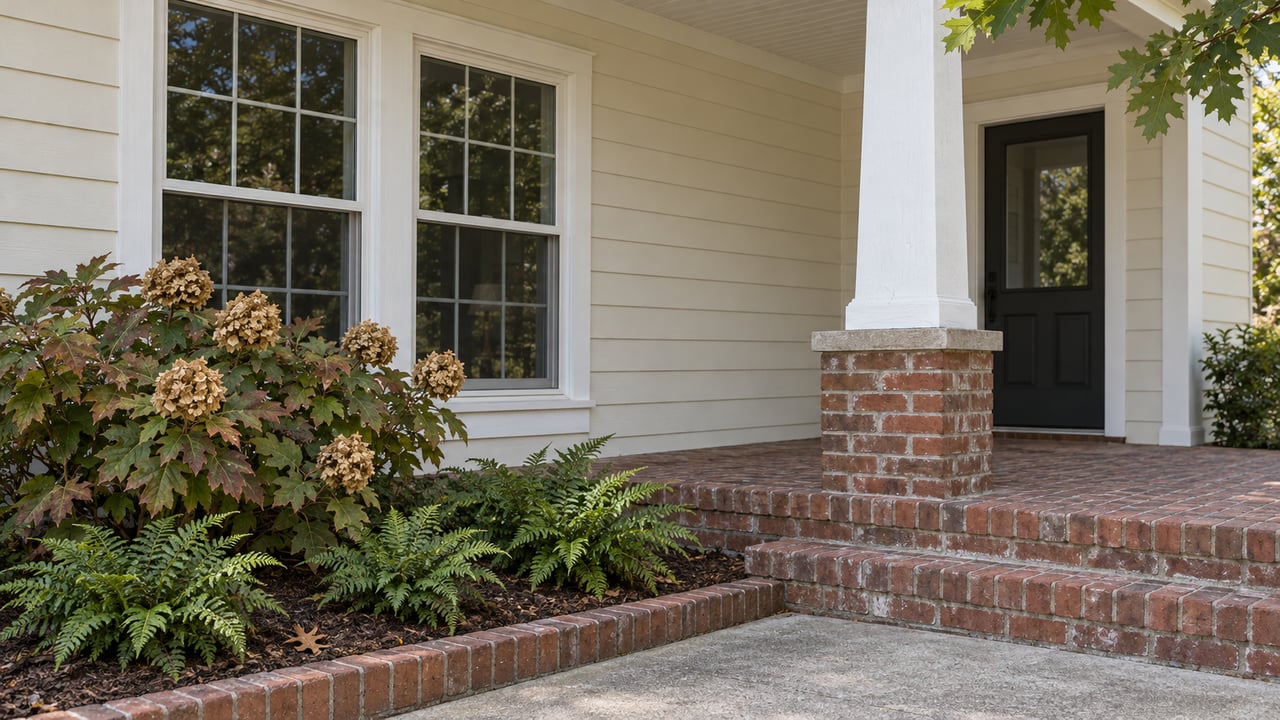
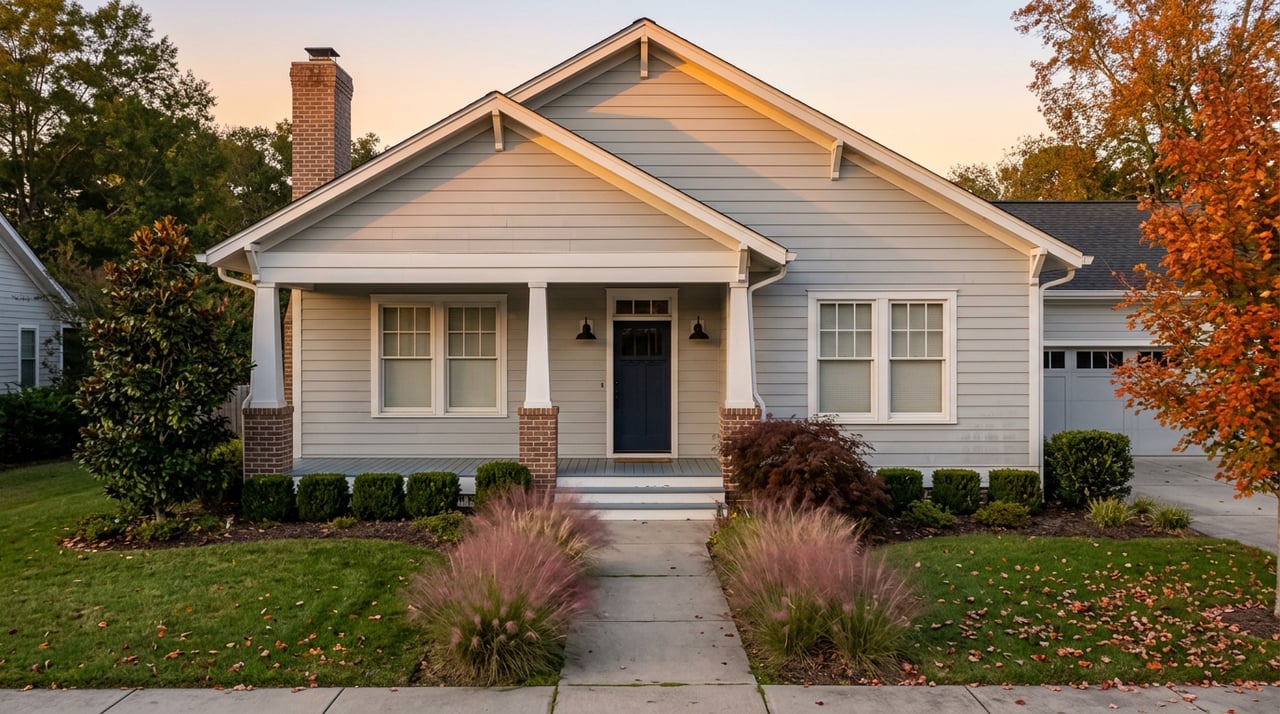
ITB offers a mix of historic bungalows, Craftsman and Victorian‑era homes, early to mid‑20th‑century colonials, and more recent infill townhomes and condos. The street grid is finer, with many small, tree‑lined lots and sidewalks that support short errands. Most single‑family lots are smaller than typical suburban parcels, often under about 0.25 acre, with notable exceptions in enclaves like Country Club Hills and Sunset Hills where lots can run 0.4 to 0.6 acre or more. You also see some luxury new builds where teardown and rebuild is feasible.
North Raleigh homes
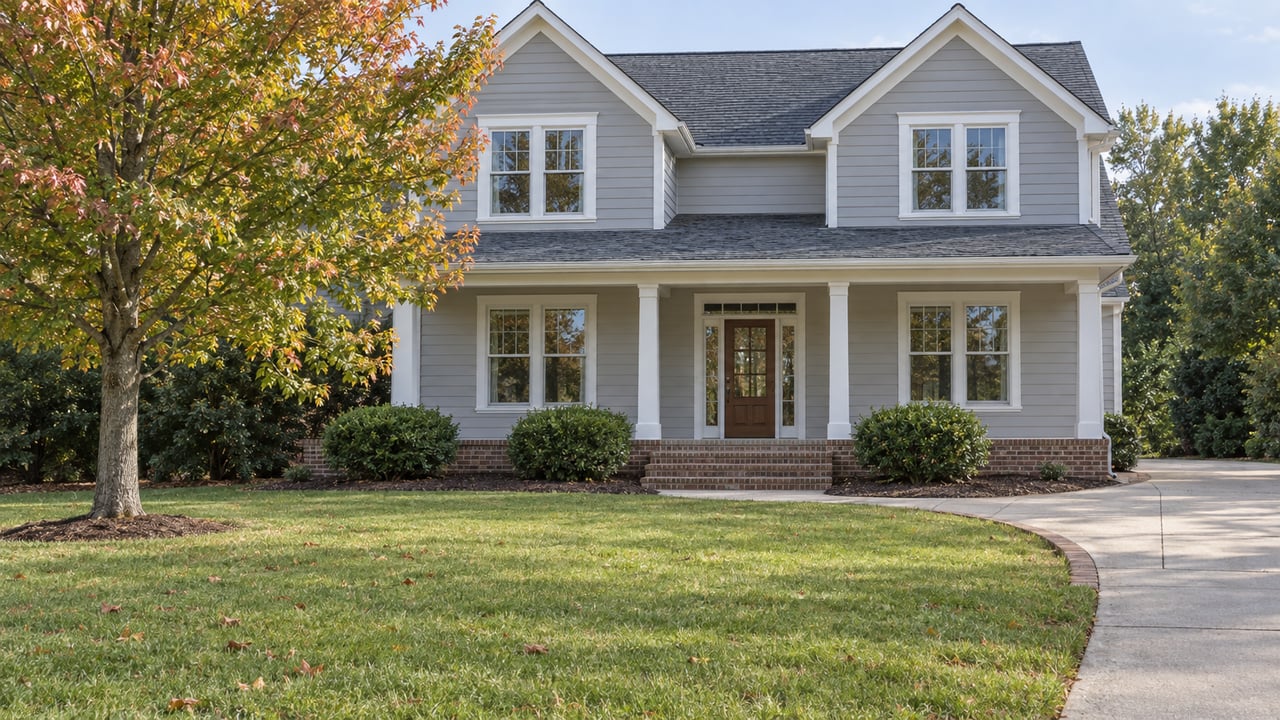
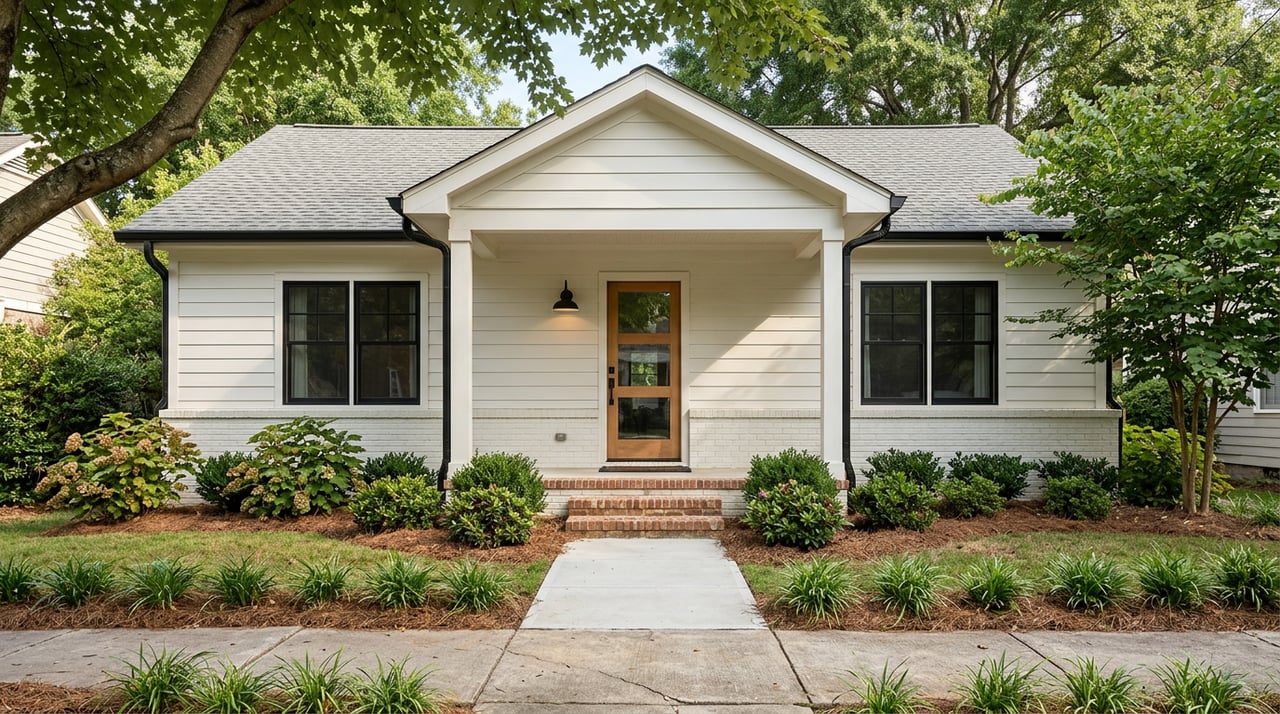
North Raleigh leans suburban. You will find more single‑family subdivisions, mid‑century ranches, planned communities, and a higher share of new construction. With more developable land, homes often have larger footprints and attached garages. Typical lots range from about 0.2 to 0.5 acre, with some estate‑style properties that exceed 0.5 acre. Like ITB, North Raleigh has wide internal variety, so it pays to zoom in by subdivision when you get serious.
Price snapshot
Raleigh’s citywide median sale price in early 2026 sits around 450,000 to 465,000 dollars. Inside the Beltline typically trades at a premium above that city median, driven by central location and walkability. Market snapshots in mid‑2025 showed an ITB median around 625,000 dollars with higher price‑per‑square‑foot in many pockets, and several ITB neighborhoods that trend well into seven figures. You can see the central‑area premium reflected in ITB market summaries.
North Raleigh’s aggregated medians often land in the low to mid 400,000s, with wide variation by sub‑area. Some nodes, like North Hills, trend much higher due to mixed‑use amenities and infill activity, while farther‑north subdivisions can offer more space at lower price points. The takeaway is simple: compare by neighborhood, not just by the macro label.
Commutes and walkability
Commute patterns
The U.S. Census reports Raleigh’s mean travel time to work at about 23.4 minutes, which is a helpful city benchmark for setting expectations. You can view the city context in Raleigh’s QuickFacts.
- Inside the Beltline: Proximity to Downtown Raleigh, NCSU, museums, and central employers often means shorter drives for central jobs. Many residents use short transit trips or bikes for downtown commutes and errands.
- North Raleigh: Commute times vary by where you land. Many neighborhoods are auto‑oriented with ready access to I‑440, I‑540, US‑1, and US‑70, which helps for RTP and suburban routes. Expect longer drives to downtown from farther‑north subdivisions, and plan to test your actual route at peak times.
For regional and campus connections, you can review local and regional transit options. Fixed‑route service and walkable access are denser in ITB and at mixed‑use nodes like North Hills than in low‑density subdivisions.
Walkability and transit
Walkability varies block by block. Several ITB historic neighborhoods and inner nodes have higher Walk Score ratings than the city average. As an example, Oakwood’s Walk Score is about 68, compared to Raleigh’s city score near 31. You can explore how this plays out using the Oakwood Walk Score map. North Raleigh has pockets of walkability in mixed‑use areas, while most subdivisions are car‑dependent by design.
Lifestyle and amenities
Inside the Beltline: You are close to downtown dining, Glenwood South, the Warehouse District, museums, and smaller commercial streets like Cameron Village. Many buyers describe ITB as an urban and suburban blend with active community events and short errands. Get a feel for the rhythm of central Raleigh in this insider’s guide.
North Raleigh: You will find larger shopping centers and mixed‑use projects like North Hills, plus many neighborhood parks and organized recreation options. Amenity access varies. Mixed‑use nodes offer dining and shopping clusters, while low‑density subdivisions provide yard space and quiet streets.
Schools overview
Both ITB and North Raleigh are served by Wake County Public Schools, including a number of magnet programs. Centrally located high schools such as William G. Enloe and Needham B. Broughton are often mentioned in ITB discussions, while North Raleigh includes neighborhood high schools such as Wakefield and Leesville Road that are commonly cited for strong academic and extracurricular offerings. Because attendance boundaries and program details can change, verify the current assignment and options for any specific address. For a broad sense of local magnet programs, you can browse Raleigh and Wake County magnet school summaries.
Who each area fits
- Inside the Beltline: A good fit if you prioritize walkability, shorter central commutes, and historic character. Buyers who are comfortable with smaller yards or attached living often favor ITB’s lifestyle and access.
- North Raleigh: A solid choice if you want more interior space, larger lots, newer construction options, and convenient highway access. Buyers with suburban commutes often target these corridors for day‑to‑day ease.
Quick compare checklist
Use this list to frame your priorities and narrow fast:
Homes and lots
- ITB: Older homes, infill townhomes and condos, smaller lots with exceptions in a few enclaves.
- North Raleigh: Newer subdivisions, larger footprints, typical lots around 0.2 to 0.5 acre with some over 0.5.
Price pattern
- ITB: Higher price per square foot and higher medians than the city baseline, with several seven‑figure pockets. See ITB market context.
- North Raleigh: Wider price spread, often lower medians overall, with high‑end nodes that buck the trend.
Commute and walkability
- ITB: Shorter central drives, stronger walkability in many neighborhoods, denser transit coverage. Check Oakwood’s Walk Score for a benchmark.
- North Raleigh: Car‑forward layouts with highway access. Commute times vary by how far north you go.
Lifestyle
- ITB: Close to downtown dining, arts, and cultural institutions. See this insider’s guide to central Raleigh.
- North Raleigh: Mixed‑use destinations like North Hills and larger shopping corridors, plus many parks and community recreation options.
Schools
- Both sides: Options include neighborhood schools and magnets. Always verify attendance zones and program availability. Explore magnet program overviews.
How to choose your fit
Map your weekly life. List your home to work to school pattern, then check peak drive times for each leg. As a reference point, Raleigh’s average commute is about 23.4 minutes according to the U.S. Census QuickFacts.
Prioritize space or place. Decide whether you value walkability and central access, or larger yards and newer homes. There is no wrong answer, but this choice will focus your search.
Set a realistic price band. Use the city median as a baseline, then look at current medians by neighborhood. Inside the Beltline often commands a location premium, while North Raleigh can offer more square footage at the same budget.
Verify lot size expectations. If a yard is key, target subdivisions with 0.3 acre or larger lots. If low maintenance is the goal, consider ITB townhomes or condos near daily needs.
Confirm school assignments. Boundaries and program details can change. Check the official district lookup for any specific address, and review program options that match your needs.
Walk the streets. Visit at different times of day. In ITB, note parking, sidewalks, and nearby retail. In North Raleigh, note traffic flow, highway access, and park proximity.
Think resale. Central scarcity often supports strong per‑square‑foot pricing, while suburban areas benefit from ongoing demand for newer homes and larger lots. For broader context on Triangle growth and housing trends, you can review this regional outlook.
If you want a calm, step‑by‑step plan tailored to your priorities, reach out. You will get a neighborhood‑level comparison that matches your budget, commute, and lifestyle.
Ready to make the choice with confidence? Connect with Jody Whitehurst to walk through neighborhoods, compare live listings, and map the best next step for your move.
FAQs
What does “Inside the Beltline” mean in Raleigh?
- It refers to the neighborhoods inside the I‑440 loop, including central, older areas like Five Points, Oakwood, Hayes Barton, and nearby mixed‑use corridors.
How do ITB and North Raleigh home prices compare in 2026?
- Citywide medians are around 450,000 to 465,000 dollars, ITB typically shows a premium with a median near 625,000 dollars in recent snapshots, and North Raleigh varies widely by sub‑area.
What are typical lot sizes in ITB vs North Raleigh?
- ITB single‑family lots are often under about 0.25 acre with some larger enclaves, while North Raleigh subdivisions commonly range from about 0.2 to 0.5 acre with some larger estate lots.
How do commutes and walkability differ between the two areas?
- ITB often offers shorter central commutes and higher walkability in many neighborhoods, while North Raleigh is more auto‑oriented with strong highway access and longer average drives to downtown.
Are schools stronger in one area than the other?
- Both sides include a mix of neighborhood schools and magnet options. Program strength and school assignment are address‑specific, so verify current boundaries and offerings for any property.