Thinking about selling your Apex home so life can feel a little simpler? Downsizing can free up time, lower upkeep, and help you move into a home that fits this next chapter better, but it also comes with a lot of moving parts. If you want to sell smart, protect your equity, and line up your next home with less stress, this local step-by-step guide will help you plan the process with more confidence. Let’s dive in.
Start With Your Next Home
When you downsize, your current home is only half the story. The real goal is finding a smaller or easier-to-manage home that works for your budget, lifestyle, and timing.
Before you list, define what “right-sizing” means for you. That could mean less square footage, fewer stairs, a different lot size, or a home type that needs less upkeep.
A few questions can help you get clear:
- How much space do you actually use today?
- Do you want one-story living or are stairs still fine?
- Would a townhome work, or do you want a detached home?
- Are you comfortable with an HOA, if applicable?
- How much equity do you need from your sale to make the next move work?
This step matters in Apex because while the market is active, homes do not always move overnight. Recent market data points to pricing in the high-$500,000s to mid-$600,000s, with timelines ranging from about 45 to 72 days depending on the source and metric, according to Redfin’s Apex housing market data. That means your replacement-home search should be part of your plan from the beginning, not something you think about after accepting an offer.
Know What the Apex Market Means for Downsizers
Apex continues to be a sought-after market with a strong owner-occupied base. According to U.S. Census QuickFacts for Apex, owner-occupied housing is 76.5%, which helps support ongoing resale demand.
For you as a seller, that is encouraging, but it does not mean you can price based on last year’s headlines or your neighbor’s memory of the market. In a market with a sale-to-list ratio near 98%, pricing competitively from day one is usually more effective than starting high and hoping buyers stretch.
The other thing to remember is that smaller homes are not always abundant at the exact moment you need one. The Town of Apex annual housing report shows the town is working to broaden housing options, including senior-oriented housing, but availability can still be limited relative to demand.
Build Your Downsizing Budget First
A smaller home does not automatically mean a lower monthly cost. That is one of the biggest surprises for many sellers.
Before you list, look beyond your projected sale price and estimate your likely net proceeds. Then compare that number to the real cost of the next home, including taxes, utilities, HOA dues if applicable, and closing costs.
In Apex, local tax rates are an important part of the math. The Town of Apex FY2025-2026 budget highlights list the town property tax rate at $0.356 per $100 of assessed value, and Wake County’s 2025 rate is $0.5171 per $100 of assessed value. Some properties may also be subject to special district taxes, and the town budget notes increases in garbage and recycling, water, sewer, and electric rates.
That means your move-down budget should include:
- Estimated sale proceeds from your current home
- Mortgage payoff, if any
- Seller closing costs
- North Carolina excise tax at closing
- HOA-related transfer costs, if applicable
- Estimated taxes and monthly costs on the replacement home
A practical budget gives you a better answer to the biggest downsizing question: will this move truly simplify your life financially, logistically, or both?
Declutter Before You List
If you are downsizing, prep is not just about making your home look good. It is also your first chance to reduce what you need to move.
Start early and work in small zones. A few boxes a day often feels more manageable than trying to tackle the entire house at once.
Focus first on:
- Closets and storage areas
- Guest rooms that have become catch-all spaces
- Kitchen cabinets and pantry overflow
- Garage shelves and seasonal items
- Paper files, old decor, and duplicate furniture
This stage is also the right time to gather records for upgrades, repairs, warranties, and HOA information. Having paperwork organized early can help the listing process move more smoothly.
Prepare Your North Carolina Disclosures
North Carolina sellers need to pay attention to disclosure timing. Under the state’s Residential Property Disclosure Act, most sellers of residential property with one to four dwelling units must provide a residential property disclosure statement to the buyer no later than the time the buyer makes an offer.
If your home is part of an HOA or subject to mandatory covenants, you also need to provide the owners’ association and mandatory covenants disclosure. That includes items such as dues, assessments, and transfer fees.
If something changes materially after disclosures are delivered, corrected disclosures must be provided promptly. This is one reason it helps to get organized before your home hits the market instead of scrambling once a buyer appears.
Price From Current Apex Conditions
Downsizers often have two goals that can feel like they compete with each other: maximize the sale price and keep the move on schedule. Smart pricing helps support both.
In Apex, current data suggests a market that is still active, but more measured than a lightning-fast seller frenzy. Recent figures show days to pending or sale in roughly the 45 to 72 day range, with a sale-to-list ratio around 98.1%, based on Redfin’s market snapshot for Apex.
That kind of market usually rewards realistic pricing tied to recent comparable sales, condition, and competition. If you overprice early, you may lose the buyers who were most ready to act when your home first hits the market.
Plan the Sale and Purchase Together
For many homeowners, this is the hardest part of downsizing in Apex. You are not just selling one property. You are trying to coordinate one life transition across two transactions.
In most cases, your strategy falls into one of three paths:
Sell First
Selling first can give you a clearer picture of your equity and budget. It may also reduce the risk of carrying two homes at once.
The tradeoff is that you may need temporary housing or a very tight plan for your next purchase if the right home is not available immediately.
Buy First
Buying first can give you more control over where you are going next. That can feel especially important if you have specific needs such as one-level living or a smaller home in a limited inventory segment.
The downside is financial pressure. You may need to qualify while still owning your current home, and you take on more timing risk if your existing home does not sell as quickly as expected.
Coordinate Both Closings
Some sellers aim for a closely timed sale and purchase. This can work well, but it requires planning and good communication with everyone involved.
North Carolina’s due diligence process is part of that planning. According to the North Carolina Real Estate Commission bulletin, the due diligence period gives the buyer time to inspect the property and investigate financing and other matters. For sellers, that means there can be a gap between accepting an offer and knowing with more confidence that the transaction will reach closing.
Understand Your Closing Costs
When you estimate your net proceeds, make sure you account for North Carolina transfer taxes. The state levies an excise tax of $1.00 per $500 of value or fractional part thereof on deeds that convey real property, and the transferor pays it before recording, according to North Carolina General Statutes Article 8E.
That cost may not be the largest line item, but it still matters when you are trying to budget carefully for a move into a smaller home. Add in HOA-related transfer items and standard settlement adjustments, and your true net number can look different from your expected sale price.
Stay Flexible About Home Type
Many downsizers begin with a very specific picture of the next home. Sometimes that picture works out perfectly. Sometimes the better move is adjusting the home type, location, or timing.
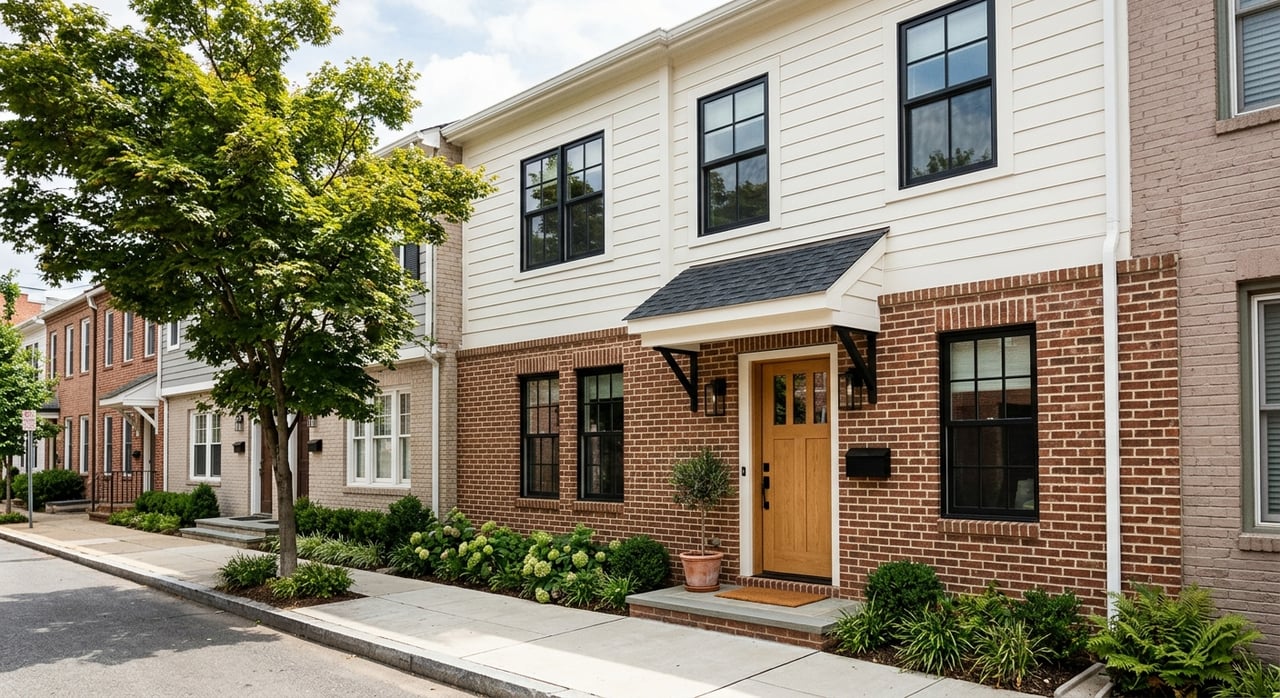
If Apex does not have the right smaller detached home available when you need it, you may want to consider a townhome, a different layout, or nearby Wake County options within your preferred radius. The key is staying focused on the lifestyle outcome, not just one exact property format.
A flexible search often creates more options and lowers stress. It can also help you avoid rushing into a purchase that does not really solve the challenges that made you want to downsize in the first place.
A Simple Step-By-Step Plan
If you want a straightforward way to think about the process, use this checklist:
- Define your ideal next home and budget.
- Estimate sale proceeds and monthly costs for the replacement home.
- Start decluttering with the move in mind, not just the listing.
- Gather repair records, upgrade details, and HOA documents.
- Prepare required North Carolina disclosure forms.
- Price your home using current Apex market conditions.
- Decide whether you will sell first, buy first, or coordinate both closings.
- Keep your search flexible in case inventory is limited.
- Review closing costs, including excise tax and transfer-related fees.
- Move forward with a timeline built around your next chapter, not just your sale.
Downsizing is rarely just about square footage. It is about simplifying daily life, unlocking equity thoughtfully, and making a move that fits where you are now. If you want help mapping out a downsizing plan in Apex, Jody Whitehurst would be glad to talk through your options and help you make your next move with clarity.
FAQs
What does the Apex housing market look like for downsizing sellers?
- Apex remains an active market with home values generally in the high-$500,000s to mid-$600,000s, and recent data suggests homes may take roughly 45 to 72 days to go pending or sell depending on the source and metric.
What North Carolina disclosures do Apex home sellers need to provide?
- Most sellers of residential property with one to four dwelling units must provide a residential property disclosure statement, and if the property has an HOA or mandatory covenants, sellers must also provide the related association disclosure.
What closing cost should Apex downsizers remember in North Carolina?
- North Carolina charges an excise tax of $1.00 per $500 of value or fractional part thereof on deeds conveying real property, and that cost should be included in your net-proceeds estimate.
What monthly costs should downsizers compare before buying another home in Apex?
- You should compare property taxes, utilities, HOA dues if applicable, and other recurring costs because a smaller home is not always less expensive to own month to month.
What is the biggest timing challenge when selling a home to downsize in Apex?
- The biggest challenge is often coordinating the sale of your current home with the purchase of the next one, especially because the buyer’s due diligence period can affect how quickly your sale feels truly secure.
What home types should Apex downsizers consider if inventory is tight?
- If the ideal smaller home is not available right away, it may help to consider townhomes, smaller detached homes, or nearby Wake County options that better match your timing and budget.