Thinking about listing your Raleigh home but unsure which fixes actually pay off? You want top dollar without pouring money into projects buyers will not value. With a few smart, targeted updates, you can boost first impressions, pass inspections with less stress, and move on your timeline. This guide covers the high-ROI repairs Raleigh buyers notice most, realistic cost ranges, a simple 3–4 week plan, and local tips for our climate and permitting. Let’s dive in.
Why small fixes pay in Raleigh
Raleigh and Wake County continue to attract buyers who prefer homes that feel clean, updated, and move-in ready. In today’s moderated market, buyers are more price-sensitive, so you should focus on visible improvements that widen appeal. Industry reports consistently show that kitchens, bathrooms, overall maintenance, and curb appeal drive buyer decisions.
Raleigh’s humid summers and mild winters add a local twist. Moisture can leave mildew on siding and decks, and clogged gutters lead to exterior wear. Small exterior touch-ups, along with crisp interior finishes, help your home show its best from day one.
Top interior repairs with return
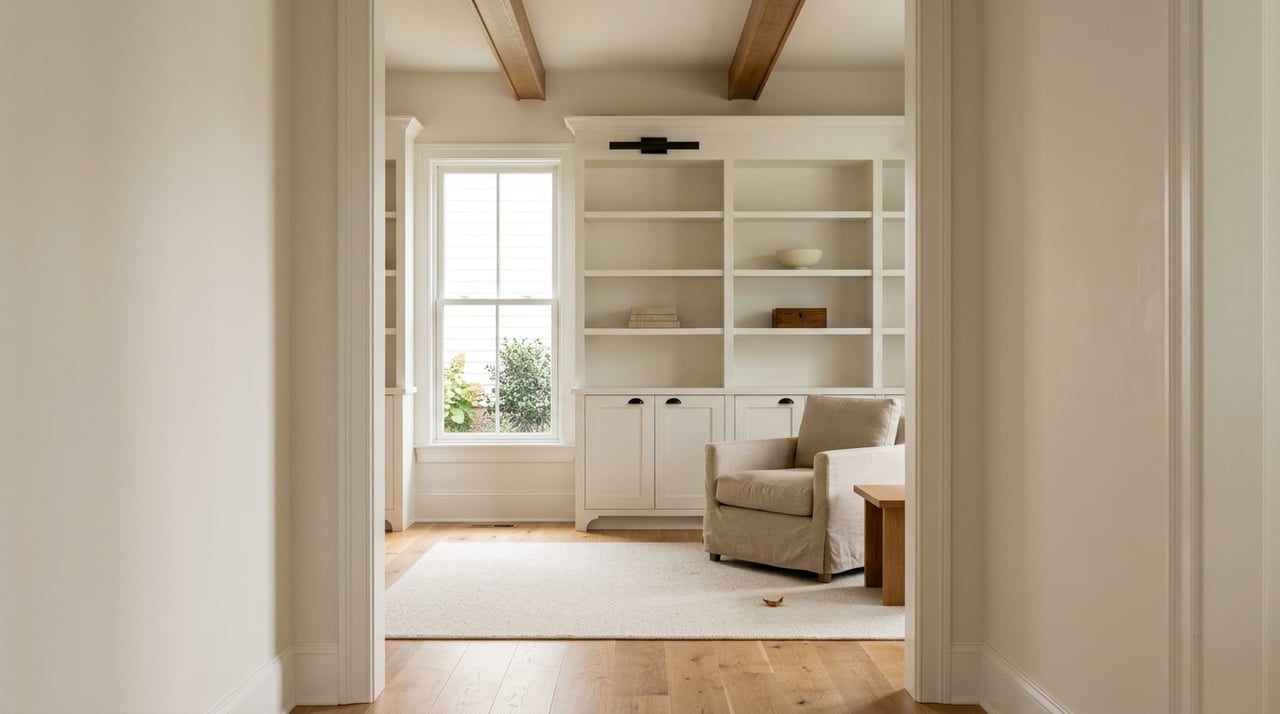
Fresh, neutral interior paint
A clean, neutral palette makes spaces feel larger and well cared for. It also photographs beautifully. Address any moisture stains before painting so buyers feel confident about maintenance. Whole-home touch-ups or a full repaint often deliver strong value for the cost.
Flooring refresh or selective replacement
Buyers spot worn carpet or mismatched floors right away. Start with professional carpet cleaning or hardwood refinishing where possible. Replace only the worst areas in key rooms if needed, rather than tackling a full-home overhaul.
Lighting and updated fixtures
Good lighting makes rooms feel bigger and newer. Replace dated fixtures, add matching LED bulbs with the same color temperature, and clean or swap tired shades. Better lighting also improves your listing photos.
Minor kitchen and bath updates
Small changes go a long way in these high-impact rooms. Replace cabinet hardware, update faucets, re-caulk around tubs and sinks, and refresh failing grout. Consider a modest countertop update only if it aligns with nearby comparable homes.
Deep-cleaning and small repairs
A spotless, odor-free home signals strong overall care. Fix leaky faucets, tighten loose hinges, touch up scuffed trim, and replace missing outlet covers. These little details prevent a long buyer punch list later.
Curb appeal wins in Wake County
Front entry and simple landscaping
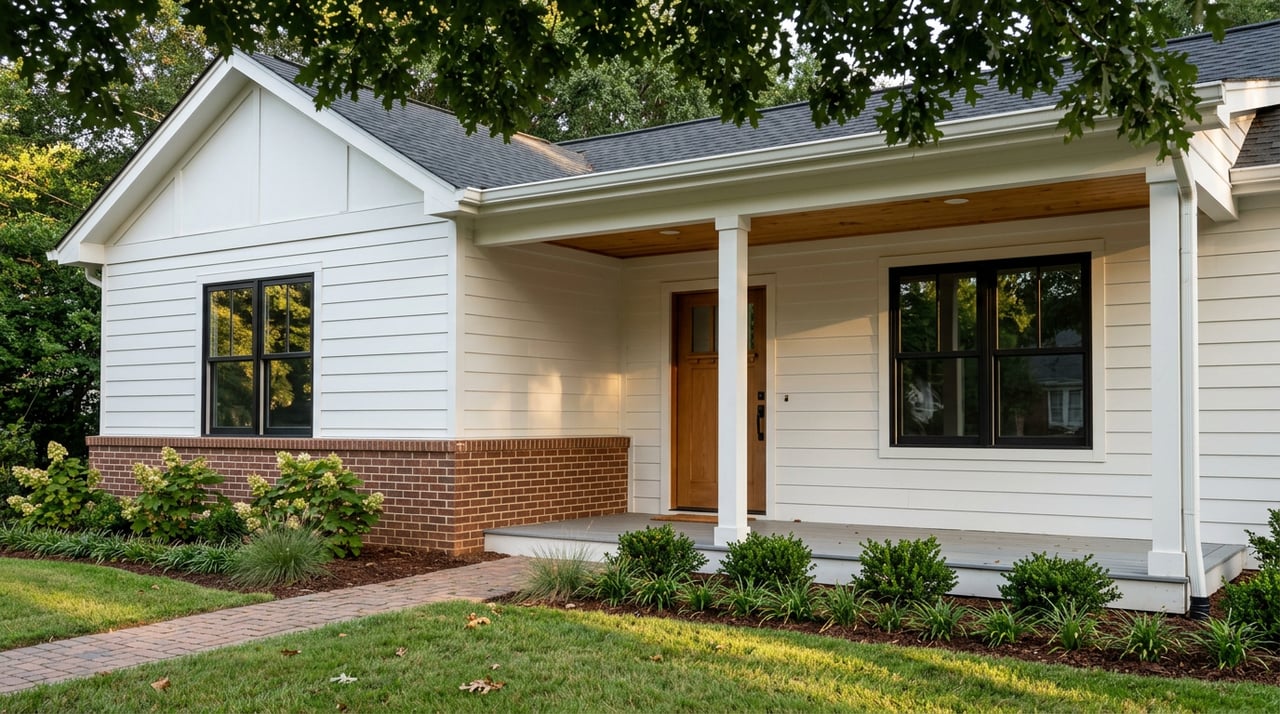
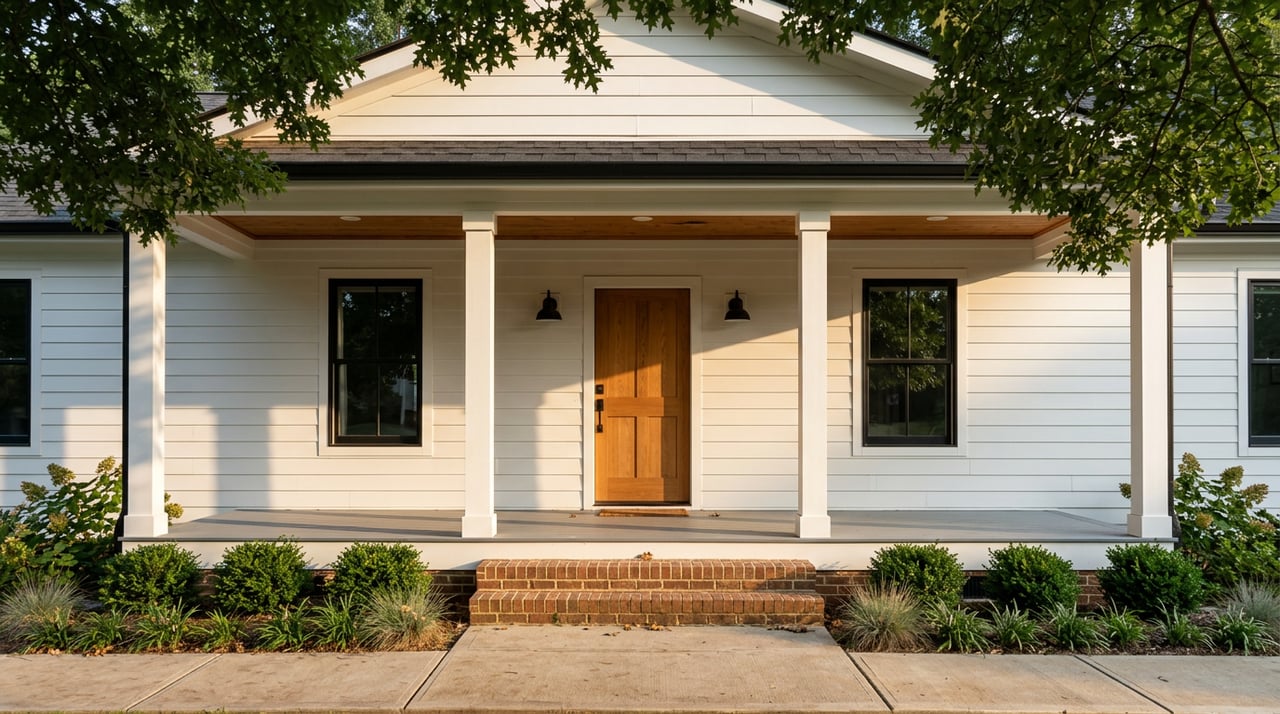
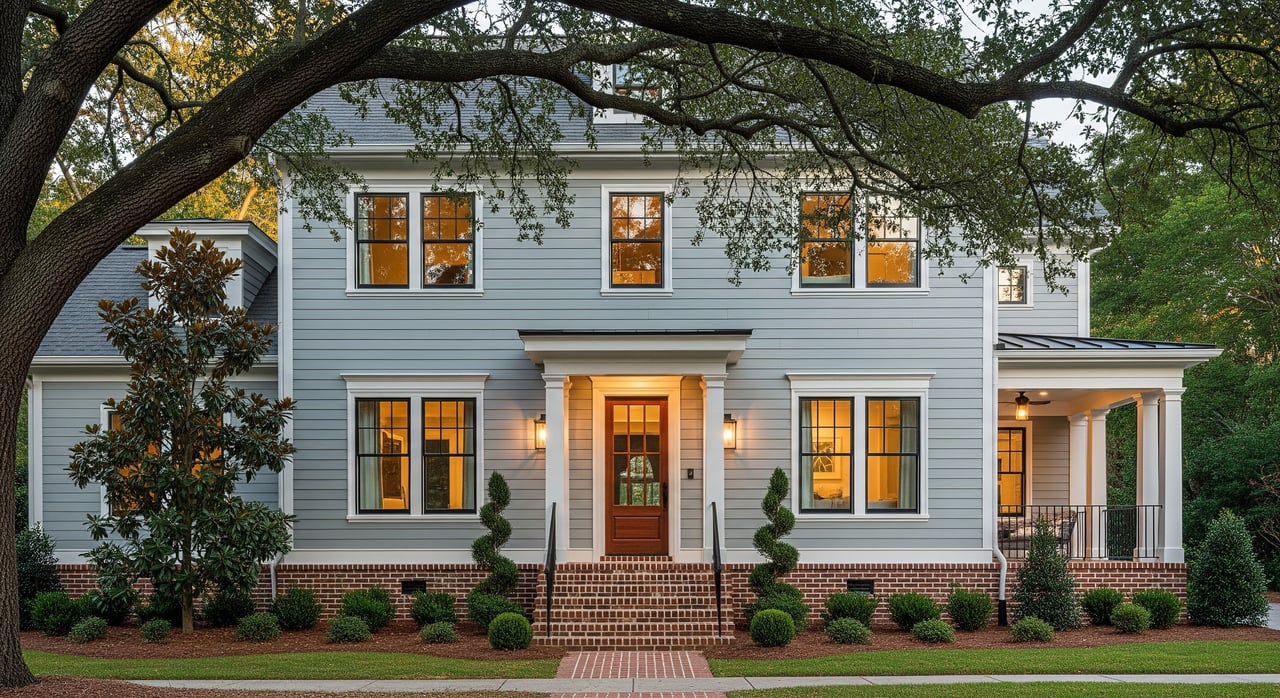
First impressions form at the curb. Pressure-wash walkways and siding, trim overgrown shrubs, add fresh mulch, and repaint or refinish the front door. New house numbers or a tidy mailbox offer an easy style lift.
Exterior paint and siding touch-ups
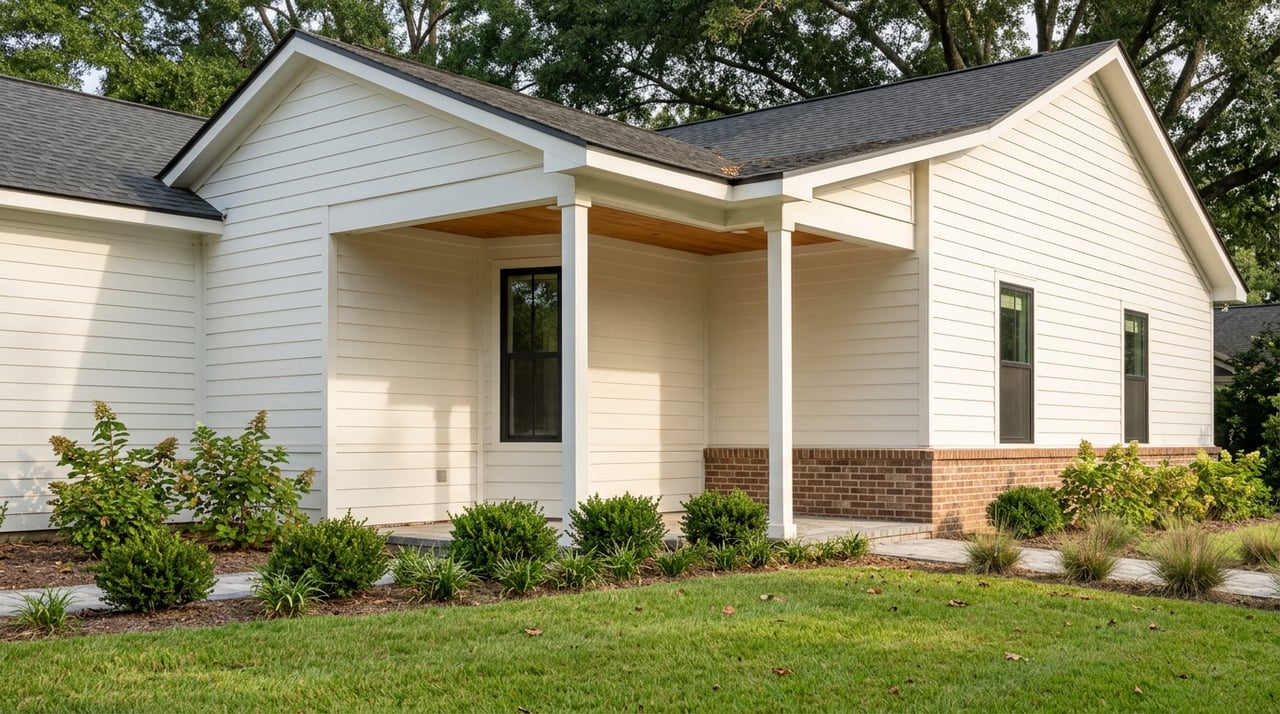
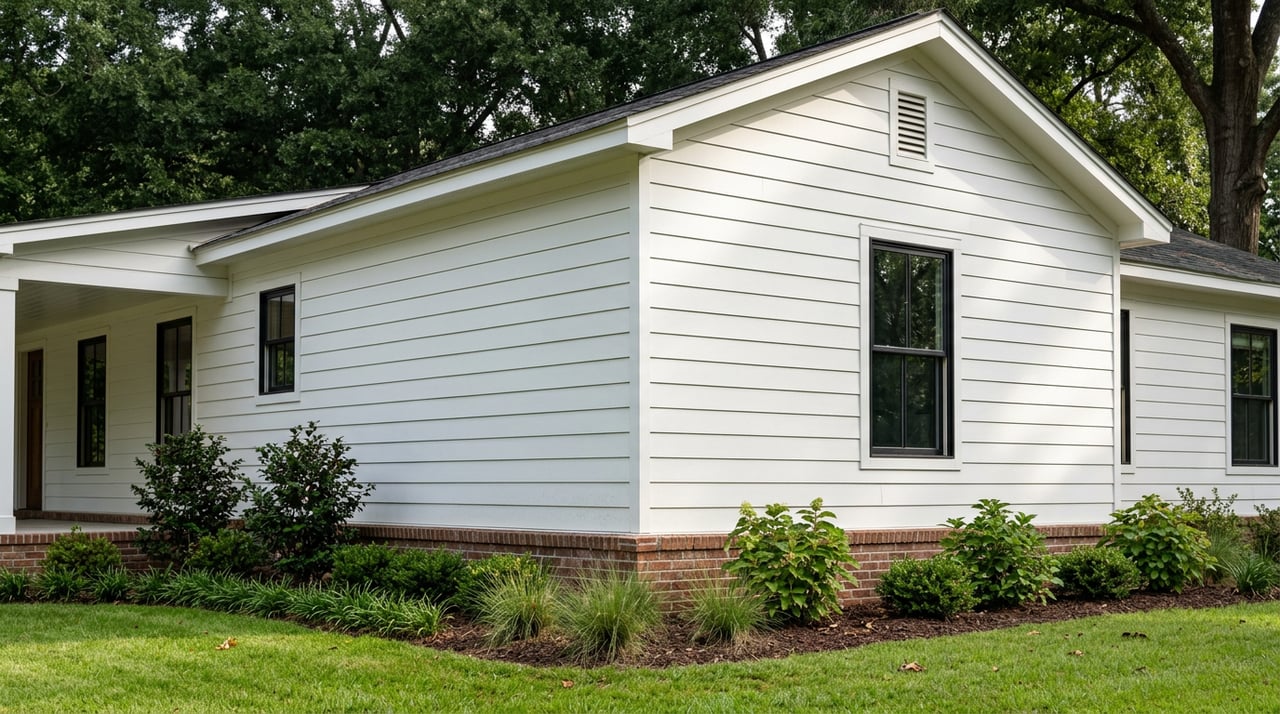
Peeling or faded trim drags down perceived value. Targeted spot painting can be more cost-effective than a full repaint. In our climate, address mildew and pollen staining as part of your cleaning plan.
Roof, gutters, and drainage
Sagging gutters or missing shingles become quick inspection flags. Clear debris, repair downspouts, and replace a few shingles as needed. If your roof is near end-of-life, gather bids and plan disclosures early to avoid surprises.
Driveways and walkways
Clean, safe access matters. Pressure-wash, fill cracks, and reseal asphalt when appropriate. These modest tasks improve both safety and perceived maintenance.
Decks and outdoor living
Outdoor space is a selling feature here. Replace loose boards and railings, then clean and reseal wood. A well-cared-for deck expands how buyers imagine living in the home.
Systems and safety first
Address HVAC, plumbing, and electrical items before photos and showings. Change filters, fix visible leaks, and repair non-functioning switches or outlets. Ensure smoke and carbon monoxide detectors are in place and operable, and add or secure handrails where needed. A pre-listing inspection can help you find and fix small issues on your timeline.
Budget and realistic cost ranges
Focus on visible wins that broaden appeal and keep your total spend aligned with neighborhood comparables. Build a 10–20 percent contingency for surprises. Approximate ranges from industry guides (actual costs vary by home and scope):
- Interior paint: low thousands to several thousands depending on size and prep.
- Flooring: carpet cleaning in the hundreds; selective replacement or vinyl plank in the low thousands per room; hardwood refinishing in the low-to-mid thousands based on area.
- Lighting and fixtures: about $100 to $1,000+ per fixture depending on quality and quantity.
- Landscaping and curb appeal: basic cleanup, mulch, and plantings often in the low hundreds to low thousands.
- Minor kitchen/bath updates: hardware, faucets, and re-caulk/grout typically in the hundreds to low thousands per room.
- Roof and gutter minor repairs: hundreds to low thousands; plan carefully if considering full replacement.
Avoid large, upscale remodels unless the neighborhood supports it. Compare against recent, nearby sales to judge the right level of finish.
A simple 3–4 week plan
- Week 0: Walk-through and optional pre-listing inspection. Make your prioritized list and flag any permits.
- Week 0–1: Tackle safety and system items first, including plumbing leaks and electrical hazards.
- Week 1–2: Boost curb appeal with pressure-washing, landscaping, and front-entry updates.
- Week 1–3: Complete interior paint, flooring refresh, lighting swaps, and minor kitchen/bath touches.
- Week 2–4: Deep-clean, stage, schedule professional photos, and handle final touch-ups.
Allow buffer time for contractor schedules and material lead times. Aim to complete projects before photography and marketing.
Permits, HOAs, and timing
Cosmetic updates like interior paint or swapping fixtures typically do not require permits. Structural changes, roof replacement, and significant electrical or plumbing work often do. Check the City of Raleigh permitting guidance early so your timeline stays on track.
If you live in a neighborhood with an HOA, review your covenants before making exterior changes. Items like paint color, fencing, or front-yard adjustments may require approval.
Choosing and managing contractors
- Verify licenses where required, plus general liability and worker’s comp insurance.
- Ask for written scopes, timelines, and payment schedules. Fixed-price bids work well for defined tasks.
- Check recent, local references and, if possible, view similar completed jobs.
- Sequence work to avoid rework. Complete drywall patches before painting, then schedule flooring, and finish with a full clean.
- Consolidate small items with a reliable handyman for efficiency. Keep receipts and warranties to share with buyers.
Raleigh humidity checklist
- Clean mildew from siding and decks; reseal wood where needed.
- Clear gutters and direct downspouts away from the foundation.
- Re-caulk exterior joints around windows and doors to limit moisture intrusion.
- Check lower-level trim and siding for moisture wear and touch up paint.
- Improve airflow in bathrooms and laundry areas to reduce humidity.
Quick seller checklist
- Walk your home like a buyer and list every visible flaw.
- Order a pre-listing inspection if you suspect deferred maintenance.
- Prioritize in this order: safety and systems, curb appeal, kitchen/bath cosmetics, then staging and cleaning.
- Schedule contractors with permit and HOA timing in mind.
- Keep receipts and warranties to hand to buyers at showings.
Work with a local guide
You do not have to guess which projects pay off. With clear priorities, a realistic budget, and a short, sequenced plan, you can list with confidence. If you would like a room-by-room walkthrough and a vendor plan tailored to your neighborhood, reach out to Jody Whitehurst. Let’s talk about your next move.
FAQs
Which pre-listing repairs give the best ROI in Raleigh?
- Focus on fresh neutral paint, flooring refreshes, updated lighting, minor kitchen and bath touch-ups, and curb appeal improvements like pressure-washing and front-entry updates.
How much should I spend on pre-listing work in Wake County?
- Concentrate on visible, budget-friendly projects in the hundreds to low thousands per task, and compare against neighborhood comps to avoid over-improving.
Do I need a pre-listing inspection in Raleigh?
- It is optional, but it helps you find and fix issues on your timeline and can reduce buyer negotiation pressure later.
Should I replace my roof before selling?
- Replace only if it is near failure or likely to be flagged by inspections; otherwise consider repairs and plan to disclose recent maintenance.
Do I need permits for pre-listing updates in the City of Raleigh?
- Cosmetic work usually does not require permits, but structural changes, roof replacement, and significant electrical or plumbing work often do, so confirm requirements before starting.