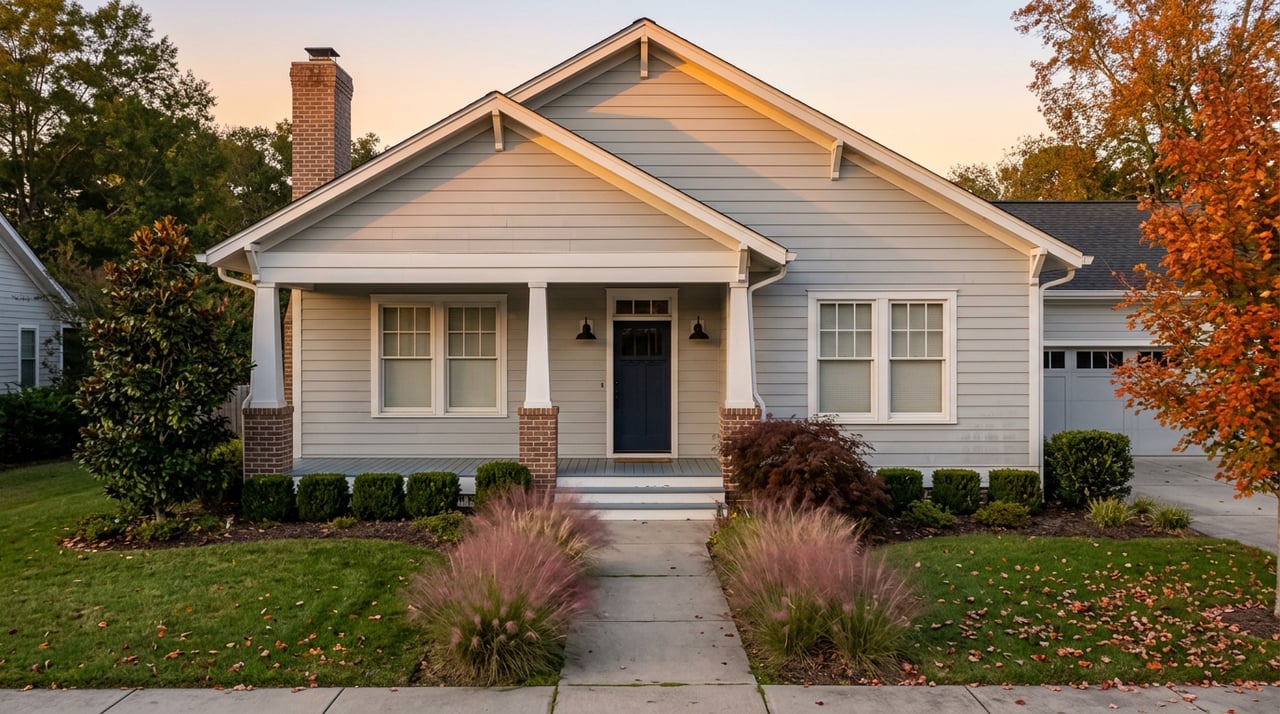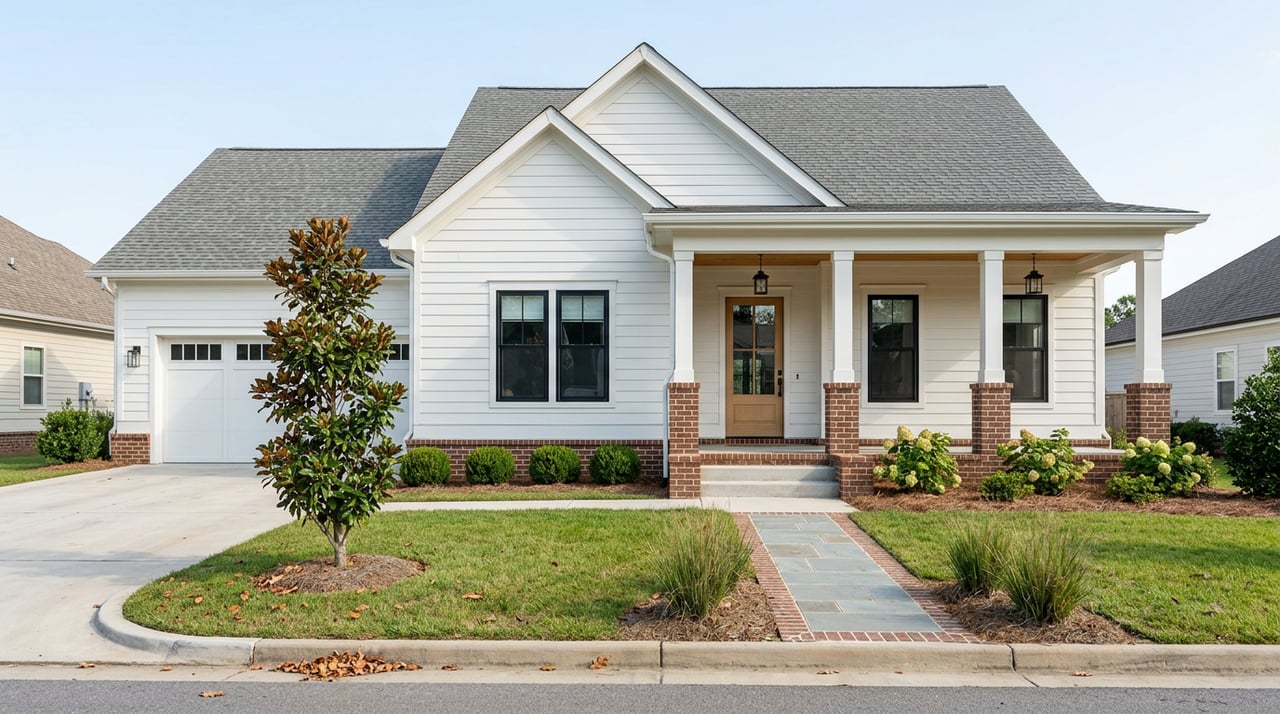
Choosing between Apex and Cary can feel like two great options pulling at you from different directions. You want good schools, a reasonable commute, neighborhood amenities, and a town vibe that fits your life. The good news is you really cannot go wrong. The even better news is you can make a clear choice once you match each town’s strengths to your priorities. In this guide, you will compare commute times, schools, prices, HOA life, and everyday lifestyle so you can decide with confidence. Let’s dive in.
Big-picture differences
Cary is bigger and more built-out, while Apex offers a smaller-town feel with quick access to the same regional job centers. Population tells part of the story. Cary counts about 182,659 residents, compared with about 75,977 in Apex, based on recent U.S. Census estimates. You will feel that scale in Cary’s broader retail, parks, and arts options. You will feel Apex’s scale in its historic downtown, neighborhood festivals, and quieter, newer subdivisions. For a quick data anchor on population and commute, see the U.S. Census QuickFacts for Cary, which reflects the town’s larger scale and shorter average commute.
- Cary mean commute time: about 22.5 minutes
- Apex mean commute time: about 25.2 minutes
Those few minutes matter if you drive daily to Raleigh or RTP. They may not matter if you work hybrid or prioritize neighborhood lifestyle over time in the car. Either way, both towns keep you within a practical drive to major job hubs.
Commute and transportation
If you need quick access to the airport or RTP, Cary’s location is a plus. Typical distance to RDU is shorter from Cary at around 9 miles and about 15 minutes in light traffic. From Apex, plan on roughly 17 miles and 20 to 25 minutes, depending on time of day. These are useful ballparks for frequent flyers or anyone who hosts out-of-town family.
Highways favor both towns. Apex connects easily to NC-540 and US-1. Cary has multiple arterials in play, including I-40 nearby in parts, plus US-1 and US-64. Ongoing improvements along NC-540 continue to smooth west-side commutes, but toll choices and construction can affect travel time, so it pays to test your specific route.
Transit coverage is stronger in Cary. The town’s local system, GoCary, runs multiple routes, a Downtown Loop, and coordinates with regional GoTriangle service. GoCary has also offered fare-free service during extended trial periods, which makes local errands and events more accessible. Apex relies more on regional connections, with local adjustments during big events such as PeakFest. If you want a realistic car-light option for daily errands, Cary makes it easier.
Helpful links:
- Explore routes and the Downtown Loop on the GoCary site.
- Check driving distance to RDU using a route planning resource for Cary to RDU.
Schools and education
Both towns are served by the Wake County Public School System (WCPSS). Assignment is boundary based and can change with growth. Always run the exact property address through the district’s school lookup, talk with the school, and confirm capacity and any planned rezonings before you write an offer. A quick way to get familiar with the district footprint is to scan the list of WCPSS schools.
Town reputation is a tie in the best way. Cary regularly appears on lists of top places for families in North Carolina, with many feeder schools known for strong academics. Apex also has several neighborhood schools that earn high marks, including campuses in the Apex Friendship cluster and areas near Olive Chapel. For a neutral snapshot of Apex-area schools, you can review local summaries for the 27502 ZIP. No matter which town you choose, school quality is not one-size-fits-all. Your specific address, grade level, and program needs will guide the best fit.
Helpful links:
- Town-level take on Cary’s family appeal
- WCPSS school list for county-wide context
- Apex-area school summaries (27502)
Home prices and what you get
At a city level, typical home values sit close together. Recent Zillow snapshots put Cary around 611,000 dollars and Apex around 589,000 dollars. These are useful anchors for planning, but neighborhood medians and active-listing prices will vary. Here is how that usually translates for move-up buyers:
- Starter condos and townhomes: about 300,000 to 450,000 dollars across Apex and Cary, with prices shaped by size, age, and assigned schools.
- Move-up single-family homes: about 450,000 to 850,000 dollars for 3 to 4 bedrooms with a yard in popular subdivisions. Many purchases cluster between 500,000 and 750,000 dollars depending on lot, finishes, and location.
- Higher-end and golf communities: about 800,000 to 1.5 million dollars and up in executive neighborhoods, especially in Cary and west Cary, and in select pockets on the Apex and Cary border.
Days on market and inventory move with the season. Recent snapshots show median days to pending in the mid 40s in both towns. Use that as a reference, not a rule. If you are targeting a hot school zone or a renovated home near a park or greenway, you might need to act quickly. If you are aiming for a larger lot farther from town centers, you might have more time to compare.
Neighborhood types you will see
Apex offers a mix of historic and new. Near Downtown Apex you will find older homes with charm and walkable streets. West and south of downtown, master-planned communities are common, with pools, trails, and nearby schools. Popular areas include Beaver Creek, Scotts Mill, Southbridge, and the Friendship-area developments.
Cary has a broader spectrum due to its size. You will see established neighborhoods with mature trees and lakes, such as Lochmere, plus executive and golf communities like Preston. Large, amenity-rich master-planned options, including Amberly and west Cary pockets near Davis Drive, appeal to buyers who want newer homes with quick RTP access. Because Cary spans a wider area, you will find price points from mid-range up through estate-level properties in close proximity.
HOA life and amenities
Most master-planned neighborhoods in both towns offer similar amenities. You will often see community pools and cabanas, playgrounds and pocket parks, greenways and walking trails, clubhouses with fitness rooms, and courts for tennis or pickleball. Higher-end communities may layer in golf or private dining.
Fees vary widely. Recent listings show examples that range from under 200 dollars a month for some townhomes to a few hundred dollars per quarter for detached homes, depending on what is covered. Before you buy, request the HOA Covenants, Conditions and Restrictions, budgets, and any reserve studies so you understand rules, planned projects, and the financial health of the association.
Everyday lifestyle and town character
If you love a classic main street and frequent community events, Apex is an easy favorite. Historic Salem Street and the Depot area host shops, dining, and year-round town programming. PeakFest is a signature event that showcases the small-town feel many people move to Apex for. The parks and greenways network has grown with new neighborhoods, which makes weekend walks and bike rides simple.
If you want a larger arts and events calendar, Cary delivers. Koka Booth Amphitheatre brings concerts and festivals to a lakeside setting, and Bond Park and Hemlock Bluffs add big green spaces for daily life. Cary’s scale supports a broader dining scene and more varied shopping, which you will notice in west Cary, near town center, and along major corridors.
Walkability at the town level is low to moderate in both places, which is typical for suburban layouts. You will find higher walk scores in pockets near each town’s center, but most residents drive for daily errands. If a car-light lifestyle is your top goal, favor addresses close to those walkable cores or near transit in Cary.
Helpful links:
- Town of Apex events and PeakFest details
- Koka Booth Amphitheatre overview
- North Carolina WalkScore overview
A simple decision checklist
Use this five-step flow to make your choice clear:
- Commute first
- Map your exact address to your workplace. Then do a live time trial one weekday between 7:30 and 9:00 a.m. and again between 4:30 and 6:30 p.m.
- If you need frequent airport trips or daily RTP access, Cary’s location or Apex addresses near NC-540 often help. For context, U.S. Census commute averages are a touch shorter in Cary.
- School first
- Run the property address through the WCPSS lookup, ask about capacity, and review recent performance reports. Visit during arrival or dismissal to get a feel for traffic and routines.
- Where specific programs or test profiles matter, expect premiums in price. Start with a neutral overview of WCPSS schools and add school pages and state reports as you narrow.
- Lifestyle first
- If you want a defined small-town downtown with frequent festivals and easy weekend strolling, focus on neighborhoods near Downtown Apex.
- If you want a bigger slate of arts, concerts, and greenway miles, or you need easier transit access, focus on Cary neighborhoods that connect to parks and GoCary.
- HOA tolerance and maintenance
- If you want maximum flexibility on landscaping or projects, consider older, non-HOA pockets.
- If you prefer low-maintenance living and shared amenities, target master-planned neighborhoods and review HOA documents early.
- Budget and resale
- Set your top line using the city-level medians as guideposts and then look at neighborhood-level medians to refine. Watch current market snapshots for median days to pending and inventory so you can time your offer.
Which town is the better fit?
Choose Apex if you want a smaller-town feel, regular community events, and newer master-planned neighborhoods at price points similar to Cary. You will likely trade a few extra minutes in the car for that small-town energy.
Choose Cary if you want a larger slate of parks and cultural programming, stronger local transit, and a slightly shorter average commute to Raleigh, RDU, and RTP. You will likely find more variety in housing style and price within a short drive.
Either way, you are choosing a strong, family-friendly part of Wake County. Keep in mind that several moving parts change often, including school boundaries, tax bills, and HOA budgets. Wake County’s recent budget and revaluation news is a reminder to verify current numbers during your home search.
Ready to match your goals to the right neighborhood? I help buyers weigh commute, schools, and lifestyle against real listings so you can act with confidence. If you would like a custom short list and a guided neighborhood drive, reach out to Jody Whitehurst. Let’s talk about your next move.
FAQs
How do Apex and Cary home prices compare right now?
- City-level snapshots show typical values are close, with Cary around 611,000 dollars and Apex around 589,000 dollars. Your final price depends on the neighborhood, size, condition, and school assignment.
Is the commute meaningfully shorter from Cary than Apex?
- On average, yes by a few minutes. Census data shows Cary’s mean commute is about 22.5 minutes and Apex is about 25.2 minutes, but your route, time of day, and address will drive the real outcome.
Which town is better for families: Apex or Cary?
- Both towns sit in WCPSS and offer many well-regarded schools. Cary often appears on family-friendly lists, and Apex has several high-performing neighborhood schools. Verify school assignment and programs for each address.
Where should I look for newer master-planned communities?
- In Apex, consider areas like Beaver Creek, Scotts Mill, Southbridge, and the Friendship corridor. In Cary, look at Amberly, west Cary near Davis Drive, and established communities like Lochmere or Preston for amenity-rich living.
What HOA fees and amenities should I expect?
- Amenities commonly include pools, trails, clubhouses, and courts. Fees vary from under 200 dollars per month for some townhomes to a few hundred dollars per quarter for detached homes, depending on what is covered.
Is either town walkable for daily errands without a car?
- Both towns are suburban overall, with low to moderate walkability. You will find more walkable pockets near each downtown or Cary town center. Transit coverage for daily errands is stronger in Cary through GoCary.
How should I test my commute before I buy?
- Drive your exact route at rush hour on a weekday, twice if you can. Track both morning and evening times, and try an alternate path via NC-540 or I-40 where available to see if tolls or different routes improve the trip.
What should I verify before making an offer?
- Confirm school assignment and any rezoning plans, review HOA rules and budgets, check current tax estimates, and study neighborhood-level market data for pricing and days on market. These details change, so verify during your due diligence.
References and helpful resources cited above:
- U.S. Census QuickFacts for population and commute data: Cary
- GoCary for local transit routes
- Cary family-friendly context from Niche
- WCPSS school list overview
- Apex schools overview for 27502
- PeakFest and Town of Apex events
- Koka Booth Amphitheatre background
- North Carolina WalkScore overview
- Wake County budget context from Axios